

Since its founding, YK Pao School has been committed to the belief that education extends beyond the classroom. This holistic educational philosophy means that in addition to its pursuit of academic excellence, it also seeks to guide students to pay attention to the real world, and to apply their learning to the solution of real problems, while cultivating scientific thinking, a spirit of innovation, and a deep sense of social responsibility. To this end, the YK Pao School Foundation established the Natural Science Exploration Project, which has three basic goals. Firstly, it aims to support students in independently developing research practice projects. Secondly, it serves as a bridge for collaboration between the school, universities, and other external research institutions. Finally, it draws upon systematic, inquiry-based research practice to help students immerse themselves in real research environments, where they are able to hone their scientific thinking. It thus cultivate future research talent that is scientifically capable, innovative, and socially responsible. The success of this initiative is clearly evident in recently completed student projects. Across an extraordinary range of topics, the student researchers brought their classroom knowledge into laboratories, rivers, communities, and industrial settings far beyond the usual scope of academic studies.

Filtering Microplastics from Drinking Water Kevin Wang
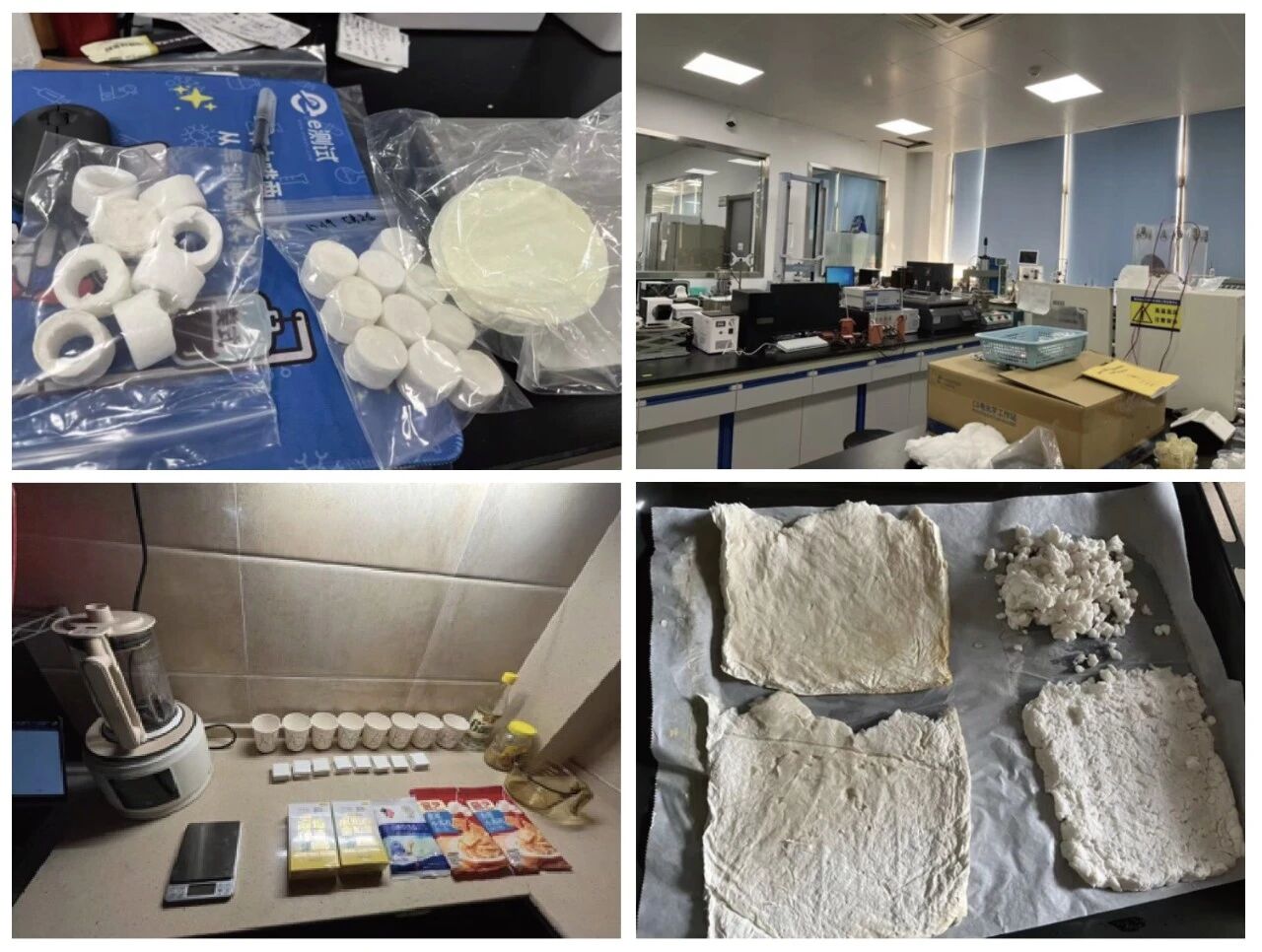
A glass of drinking water may contain microplastics. Kevin wanted to transform a filtration solution used for water treatment into a personal protective product for daily use. He designed two food-grade filtration devices—one as a bottle stopper and one as a retractable straw—and partnered with Nanjing Forestry University and Jilin Chemical Fibre to obtain food-grade bamboo pulp and bamboo fibre non-woven fabric. Preliminary laboratory tests showed that this bamboo fibre material can intercept most microplastics around 2 microns while still allowing water to flow smoothly, providing a basis for making a daily filtration device.
In his reflection, Kevin commented: "I realised the importance of expert guidance; otherwise, it is easy to get stuck. After the initial support from experts on the subject, I relied on online resources and AI tools, and found that without a strong knowledge background, many experimental designs are futile, or even a dead end. Theories may sound reasonable, but in experiments, many factors come into play. Experimentation is a continuous process of finding mistakes, correcting them, and further optimising the plan. The project must uphold sustainability, and material recycling also needs to be considered. In the future, I want to design a simple home printing device to turn the filter material back into usable paper."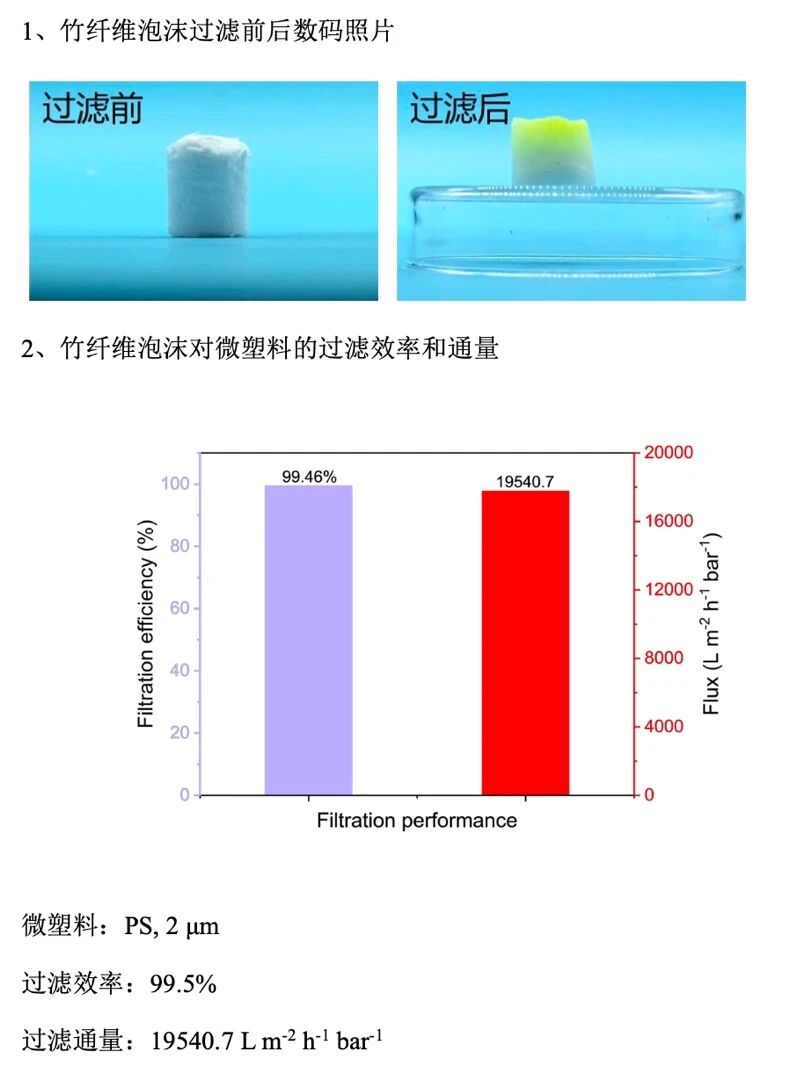
Ecological Restoration of a Small Water Body in a Tributary of the Huai River Yoyo Wang
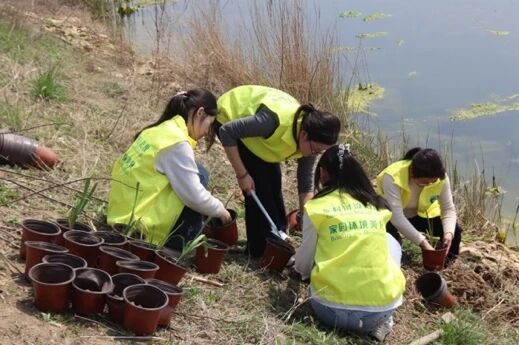
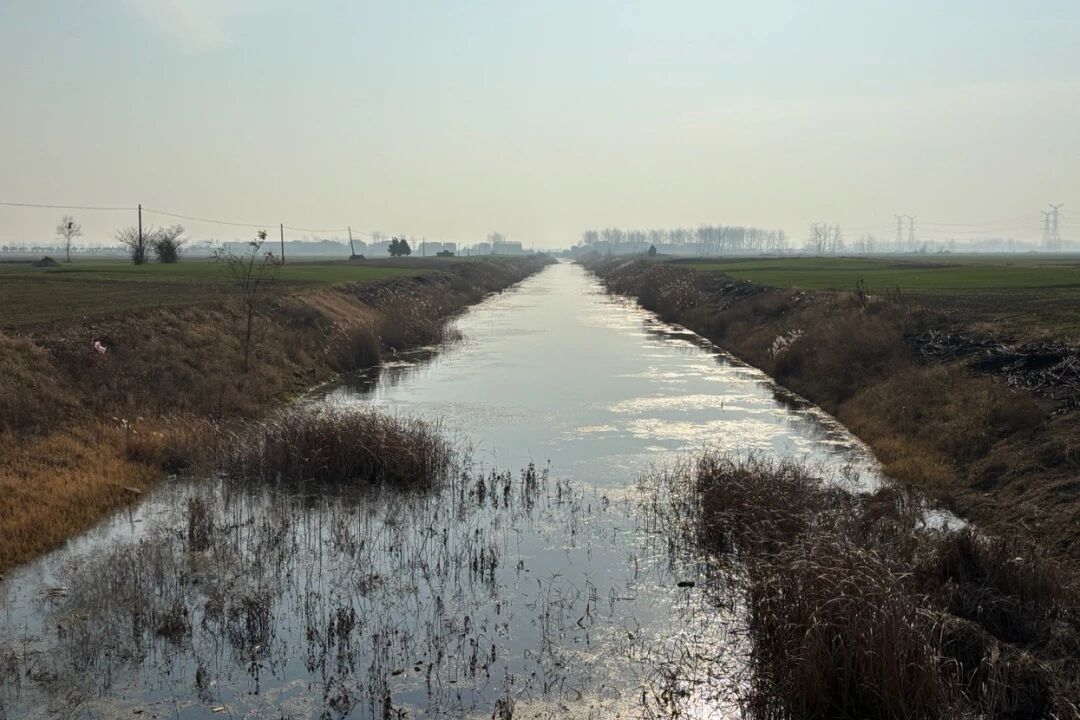
A section of a tributary of the Huai River was once severely polluted, covered with a large area of Spirogyra, a free-floating green algae, emitting a foul odour, with fish having vanished and only empty snail shells remaining. Yoyo W tried to restore it in a low-cost, community-operable way: cleaning source of pollution, salvaging Spirogyra, and planting evergreen iris and yellow iris. After restoration, indicators such as dissolved oxygen, nitrite, total phosphorus, and ammonia nitrogen improved significantly, and native species such as Chinese medaka, bladder snails, round-top freshwater mussels, and common moorhens returned.
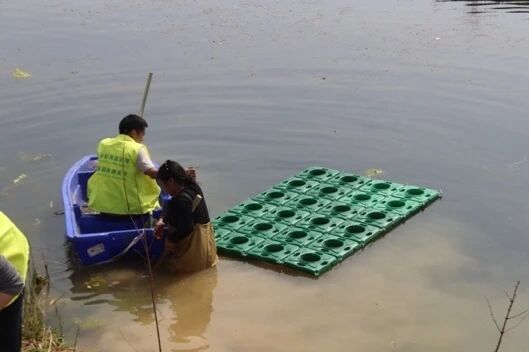
She wrote in her reflection: " Facing different algae that grow in different seasons, I could only take emergency remedial measures, making it difficult to respond in time. I also came to appreciate how simple water treatment relies on professional expertise and manual labour: monitoring water quality and matching solutions are difficult for ordinary villagers. Many factors are at play, from the price of instruments and resource availability to external pollutant sources. It is difficult for a single individual to make a difference. Policy support, environmental education, and financial support are critical to the impact of environmental measures. Rural small water body treatment has a long way to go.
A rotation-driven folding polyhedron device for shallow sea exploration Nina Li
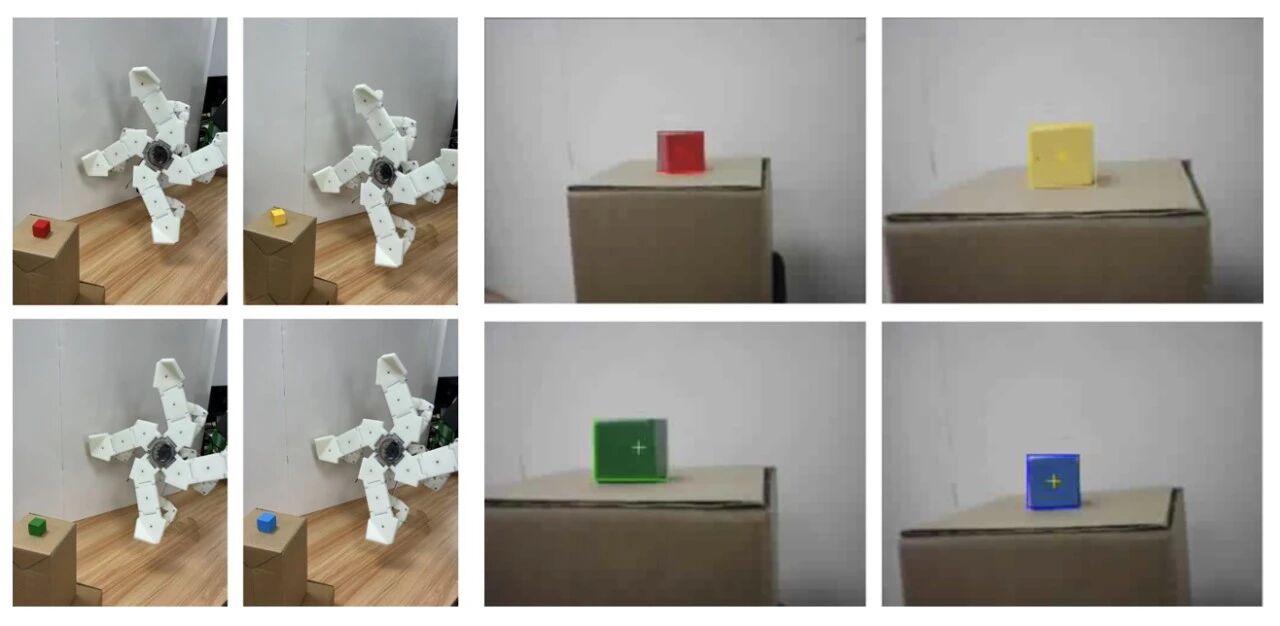
Traditional collection methods for shallow-sea medicinal biological samples are inefficient and prone to damaging individual organisms and destroying marine ecology. To address this, Nina designed and developed a rotation-driven folding polyhedron underwater gripping device. It relies on waterproof motors and linkage mechanisms to open and close the polyhedron structure, combines machine vision for target recognition and positioning, and collects samples through non-contact envelopment. After multiple iterations of prototype and various simulated and underwater experiments, the device was able to automatically catch soft shallow-sea organisms such as jellyfish and sea hares without any harm, providing a friendly sampling tool for marine drug and ecological research.
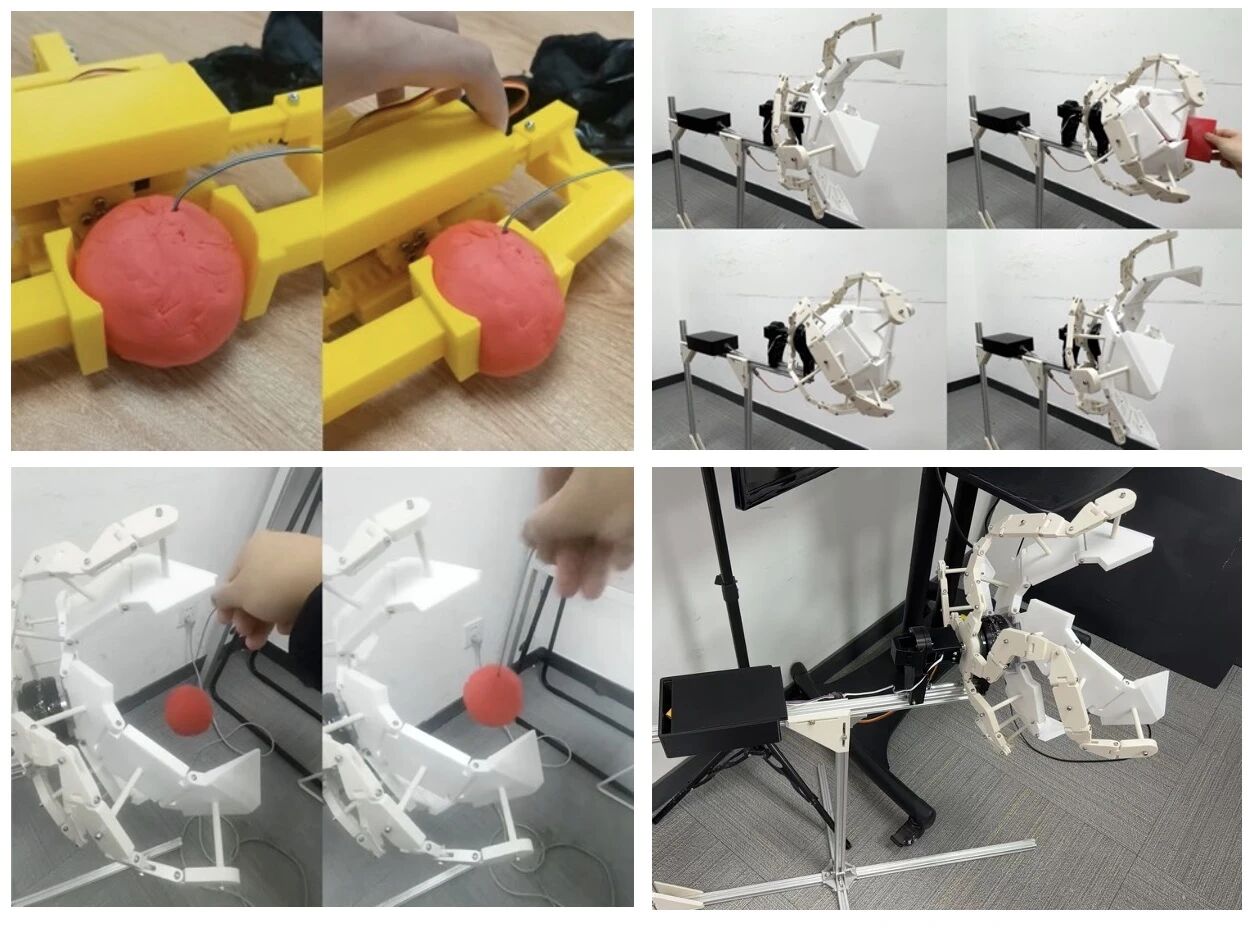
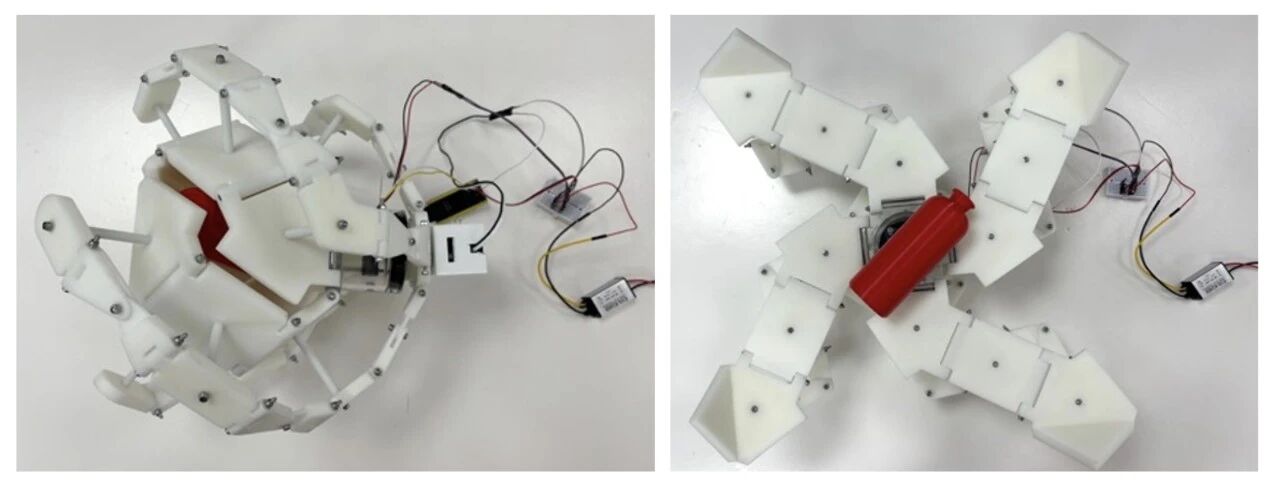
He wrote in his gains: "In the early stage of the project, core hardware such as waterproof servos and cameras, as well as consumables and venue, brought significant financial pressure. STEM Fund covered the procurement costs, allowing me to complete the manipulator optimisation and performance testing. The funding support pushed the entire R&D process forward smoothly, accelerated the implementation of the design, and enabled the complete experimental verification. This support allowed me to deeply explore the direction of combining marine protection and engineering technology, independently complete the entire project, and greatly enhanced my confidence in independent innovation and practical ability."
Study on the Optimal Extraction Method of Antioxidant Substances from Highland Barley Angelo Zhang
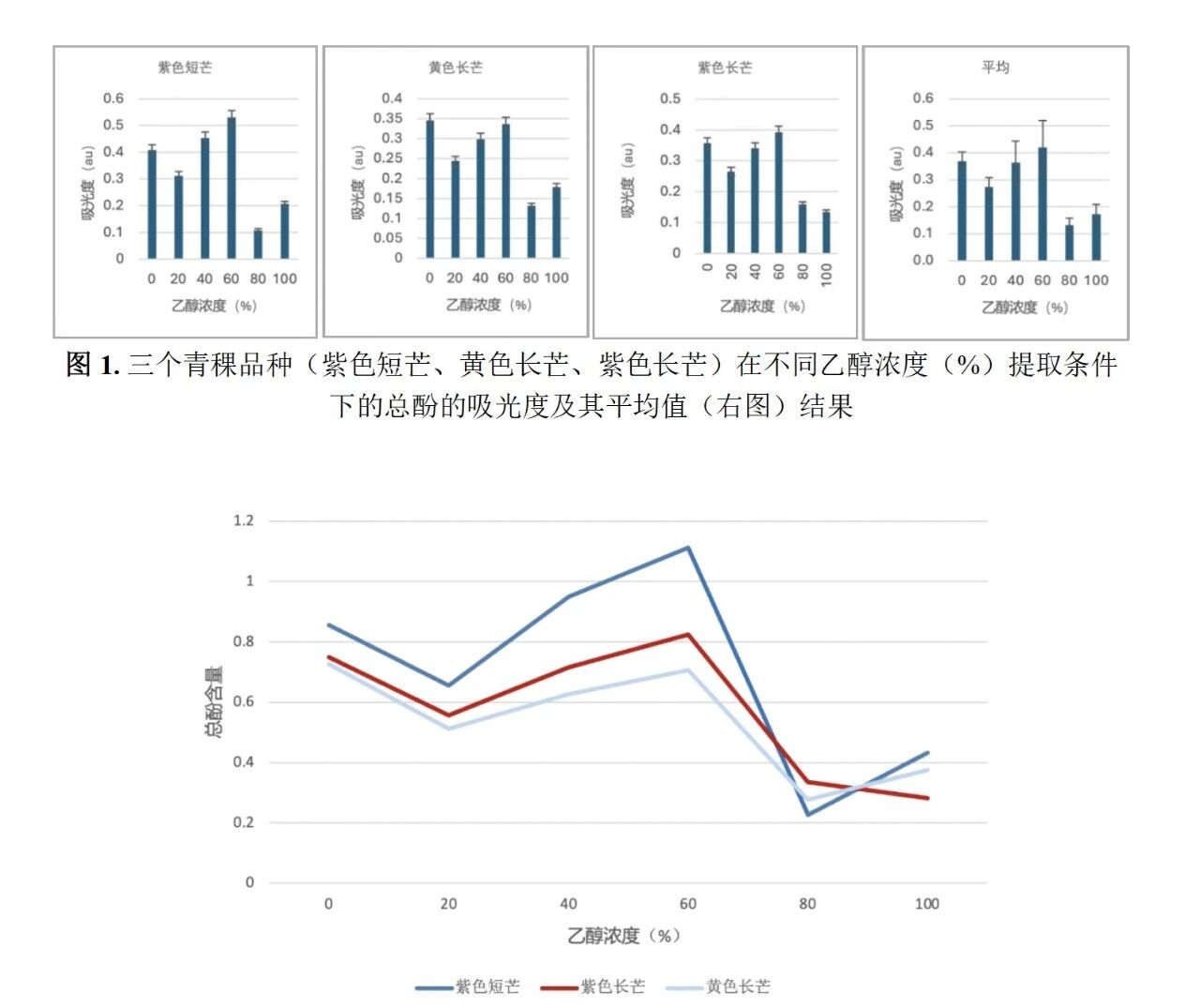
Highland barley has traditionally struggled with insufficient market acceptance, largely because research proving its food and medicinal potential remains lacking. To address this problem, Angelo set up control experimental groups with different ethanol concentrations, solid-liquid ratios, and growth stages. Through multiple in vitro antioxidant and active substance detection methods, he comprehensively evaluated the antioxidant activity levels of samples. Suitable extraction conditions were then screened. Cost constraints of industrial production were also taken into account, seeking a balance between extraction efficiency and production cost. Ultimately, this provides experimental evidence for the deep processing and development of highland barley.
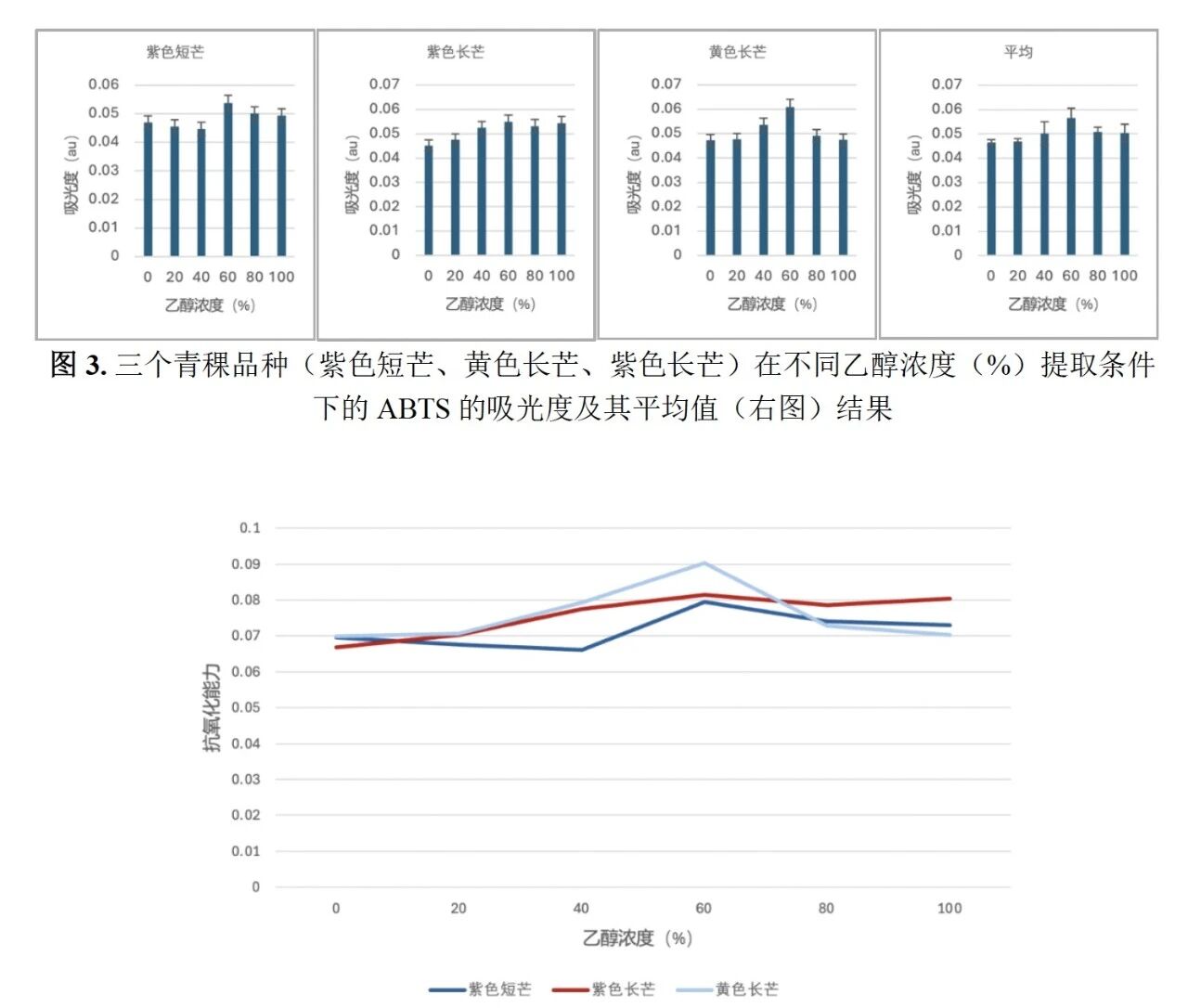
He wrote in his reflection: "The purpose of scientific research is to bring product to manufacturing. When I first designed the experiment, I thought the method with the best extraction effect was the best method. But after industry-university-research experience in Tibet, I realised that extraction effect is not necessarily the most important indicator in production. Although ethanol extraction works well, its cost in mass production is several times higher than water extraction. Therefore, the correct method is to reduce ethanol content as much as possible while maintaining relatively high extraction efficiency. This made me realise that research oriented toward practical applications needs to find a balance between effectiveness and cost."
Multifunctional cerium-containing nanozyme hydrogel for promoting skin injury repair Candy Tang
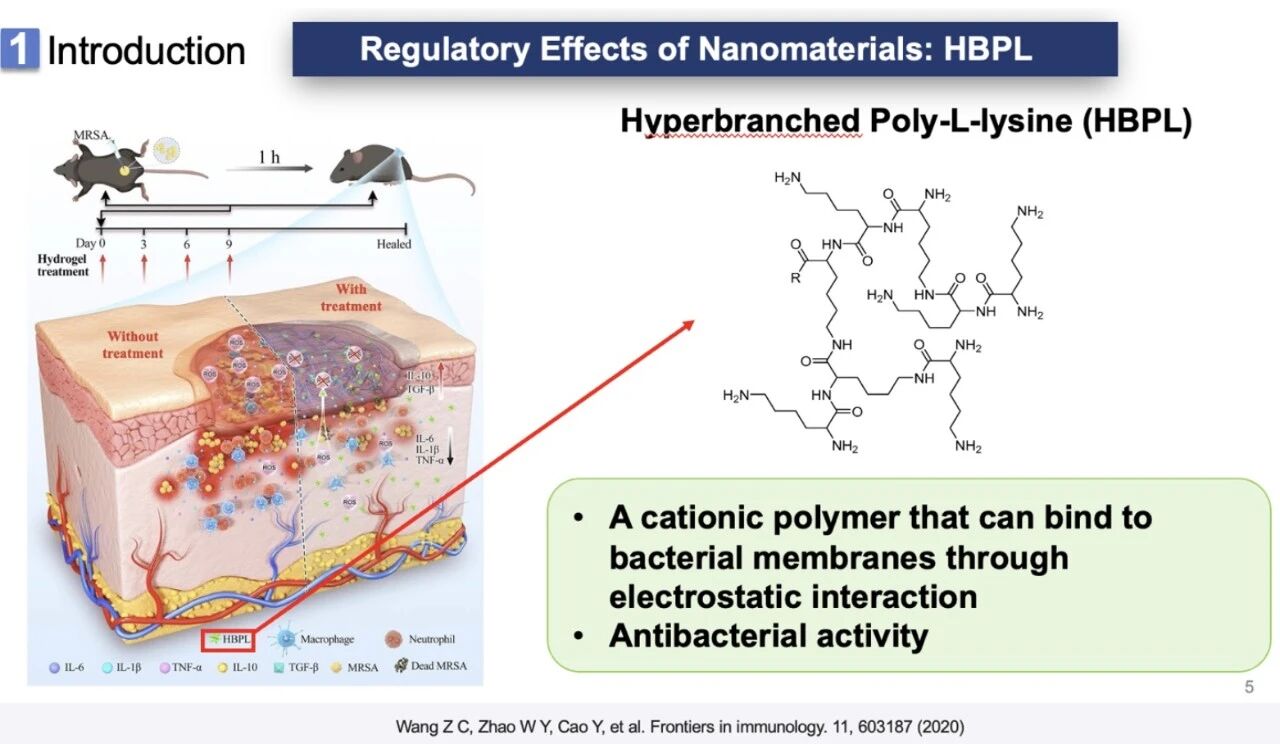
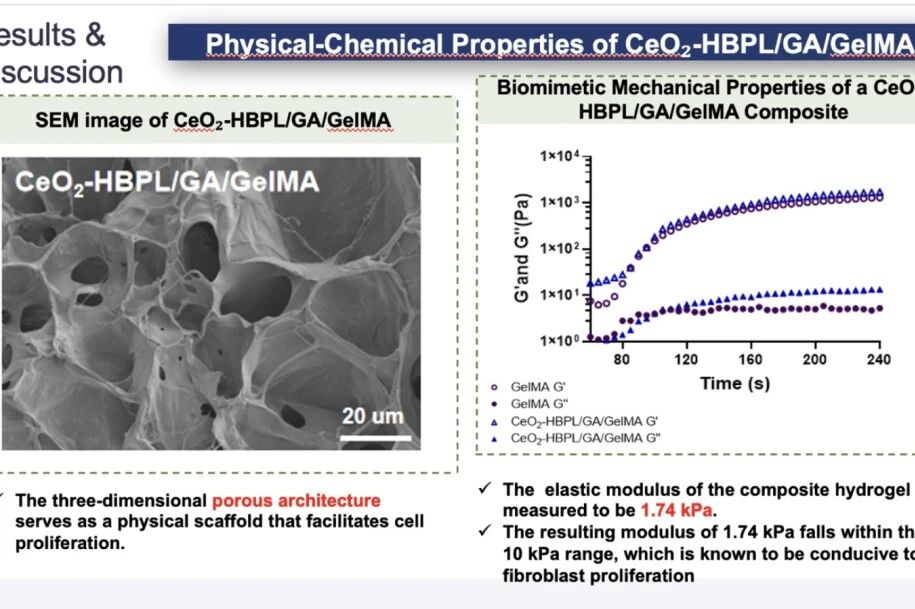
Traditional wound dressings can mostly only provide passive coverage. They cannot actively regulate the wound microenvironment. Candy wanted to develop a multifunctional hydrogel. It can resist oxidation, inflammation, and bacteria while promoting healing. To prepare a composite hydrogel, cerium oxide nanozyme, hyperbranched poly-L-lysine, glycyrrhizic acid, and gelatin methacryloyl were combined. Its effects were then verified through in vitro cell experiments and animal experiments. The project received the Global Bronze Award in the Chemistry Group of the Yau Science Award and the Global Silver Award at KSEF2026. It also advanced to the national competition of the Conrad Challenge, among other honours.
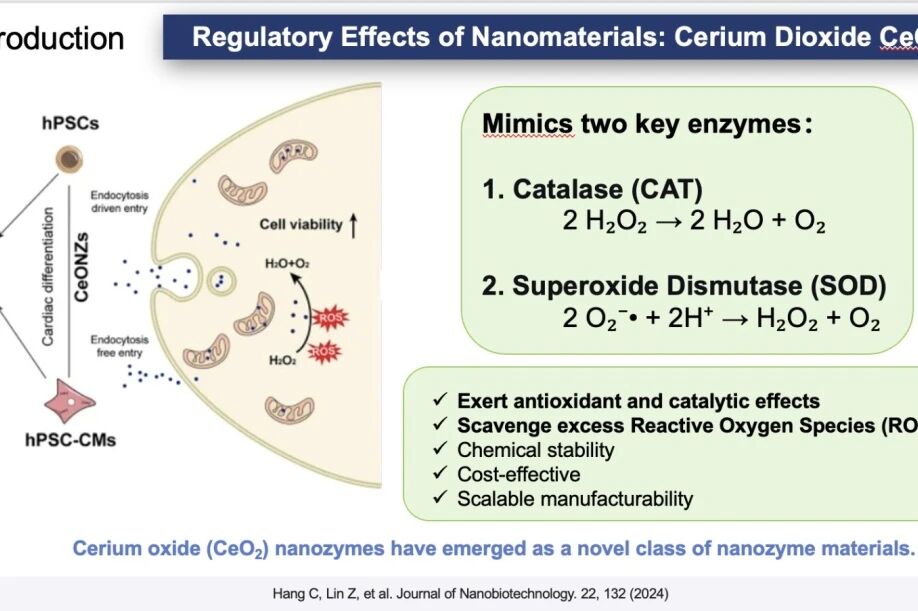
For a high school student, conducting independent advanced research was a challenge in every respect. "At first the hardest part was reading the literature. I could not understand those technical papers at all," Candy admitted. She asked teachers for help and used AI tools to work through the texts paragraph by paragraph, gradually building the necessary background. The lab work was even tougher. She synthesised four key materials herself, repeatedly adjusted proportions and ultraviolet exposure to tune the hydrogel's elastic modulus to the optimal value for cell growth, and carefully controlled the cerium oxide concentration to ensure it was safe for human cells.
AI-Based Prediction of Materials' Performance in the Energy Sector Nemo Cai
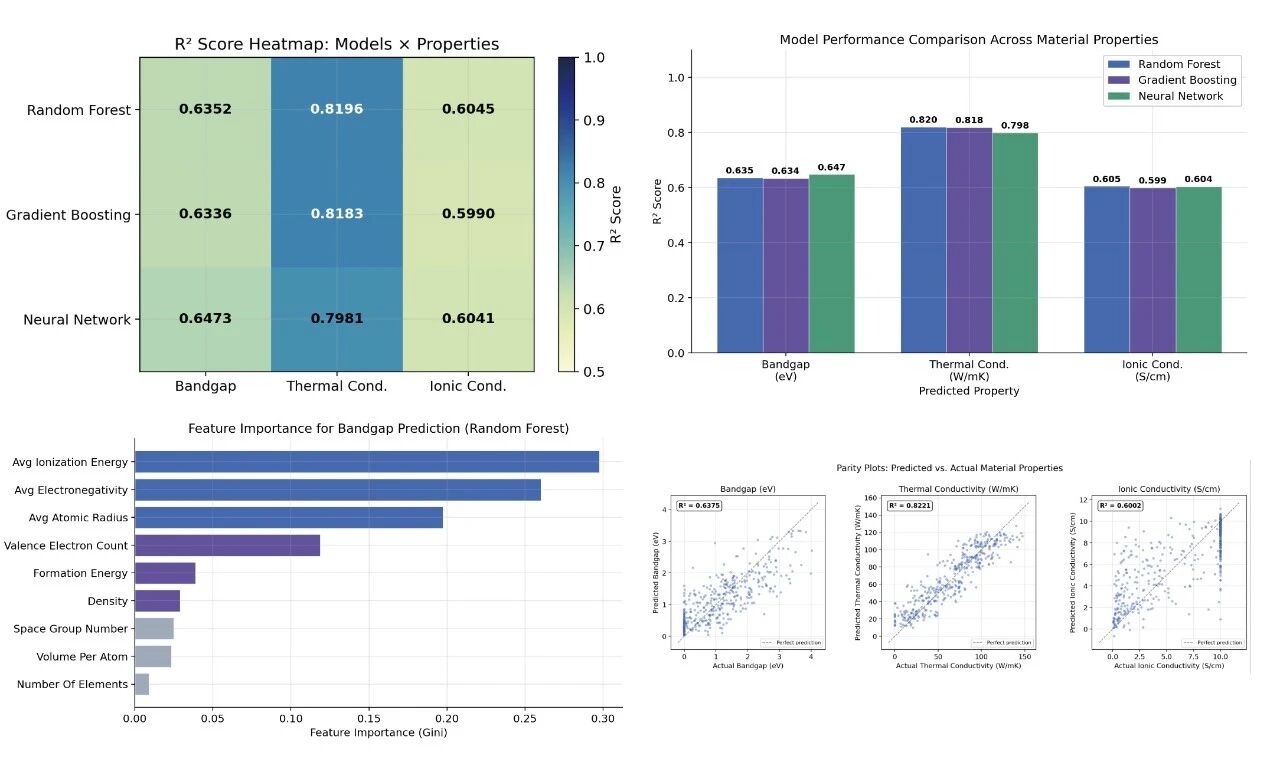
Traditional evaluation of energy material performance relies on costly quantum mechanical simulations or time-consuming laboratory experiments. This results in low efficiency in material screening and R&D. To address this problem, Nemo C built a standardised dataset based on public materials databases. He adopted three types of machine learning models—random forest, gradient boosting, and neural networks—to conduct predictive modelling and comparative evaluation of three key properties: bandgap, thermal conductivity, and ionic conductivity. He also built an interactive visualisation tool. This enables rapid, low-cost prediction of material performance and shortens the R&D process for new energy materials.
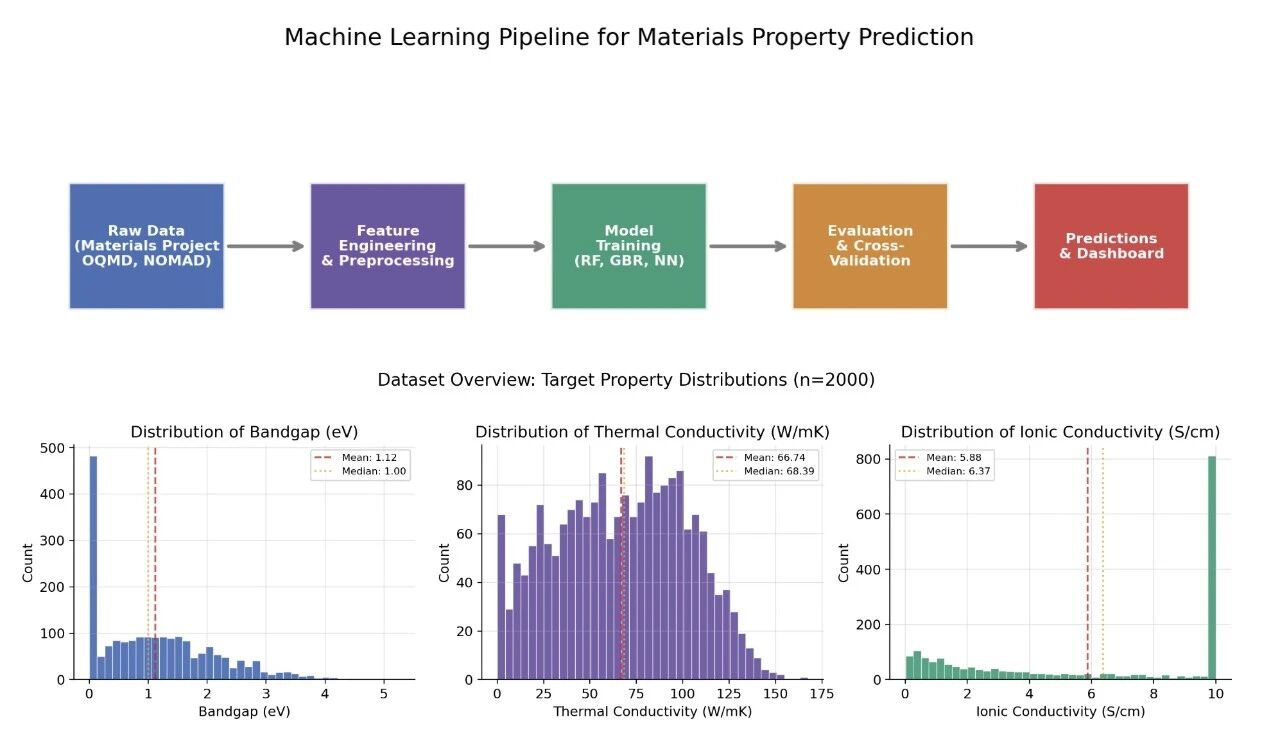
In addressing the challenges and solutions of the project, Nemo commented data quality, model overfitting issues. For example, real materials data often contains missing values and inconsistencies, and these were addressed through careful preprocessing and validation against known benchmarks. In the future, he plans to expand the model to predict additional properties , including optical absorption and mechanical strength.
These projects reflect the original intention of the Natural Science Exploration Project: not merely to provide funding, but to let students build scientific thinking in real research, learn to face failure, iterate solutions, balance cost and effectiveness, and understand society and ecology—they not only see problems but are becoming problem solvers.