
"My grandfather, Sir YK Pao, often said: 'Exercise persistently, work diligently, use sparingly.' The principle of 'use sparingly' is a belief Sir YK Pao incorporated into his daily life and upheld throughout his life.
In today's world of material abundance, diligence and thrift are no longer merely about saving money; they are also a belief in environmental protection and sustainability, and a pursuit of harmonious coexistence between humanity and nature."
—— Philip Sohmen, Executive Deputy Chairman
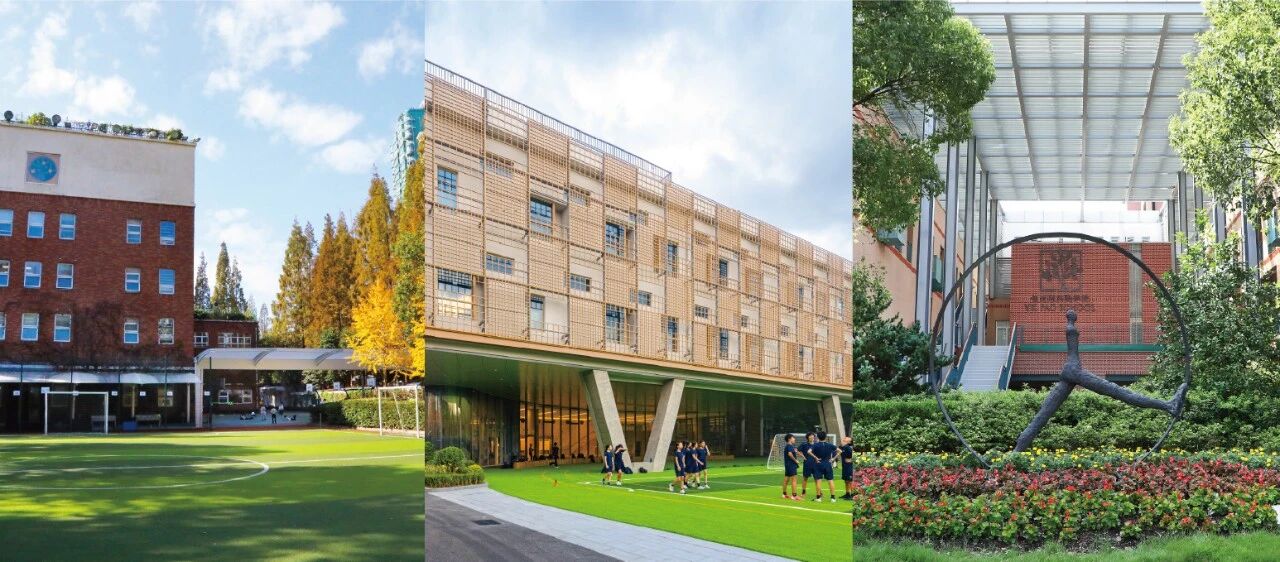
10 November marks the birthday of Sir YK Pao and is also Founders Day at YK Pao School. This year, focusing on the themes of 'use sparingly' and 'sustainable development,' the three campuses have each adopted their own distinctive approaches to the translation of Sir YK Pao's spirit into tangible, everyday practices.
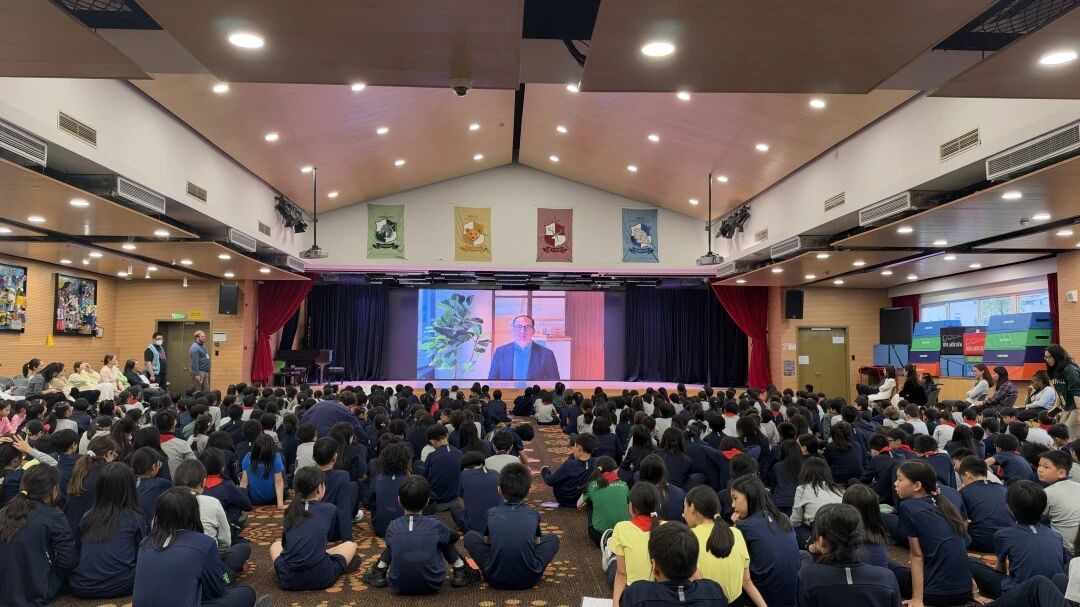

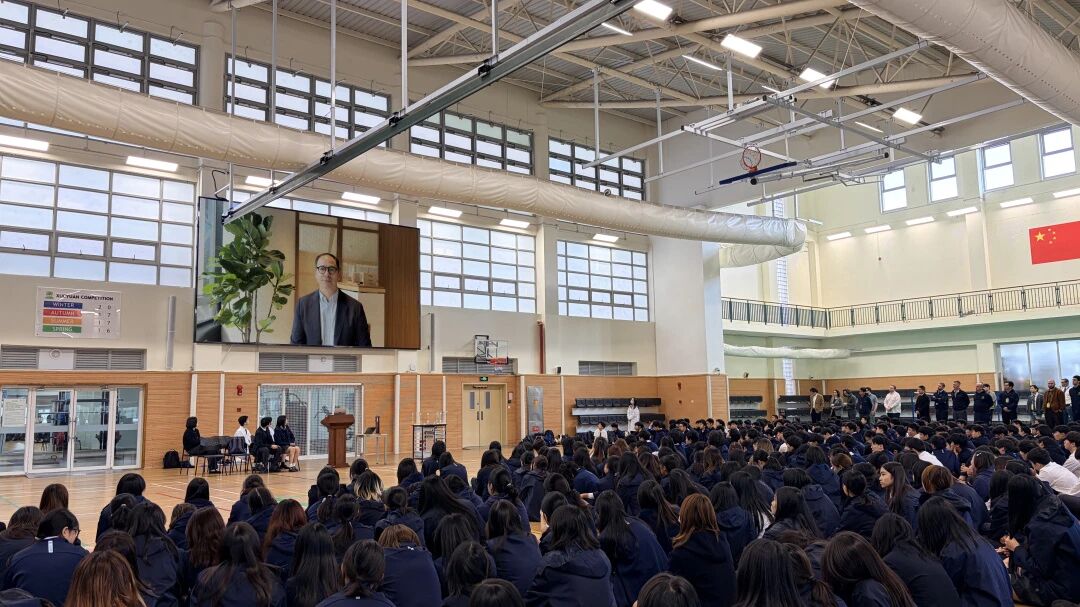
"For YK Pao School, the annual Founders Day is not merely a celebration; it is a vital vehicle for preserving history, fostering cultural identity and providing spiritual inspiration," President Xu Yongchu remarked. "The essence of Founders Day lies in connection—connecting the past, present and future, and transforming the weight of history into community cohesion and the driving force for future development." Addressing the YK Pao School community she added words of exhortation: "With diligence as our foundation, building a career as our mission, and sustainable development as our guiding principle, let us look to the future whilst honouring our heritage."
On 8 November, the Middle School hosted the Third Annual Founders Day Community Celebration. It gathered together over 2,000 teachers, students and family members from the three campuses, as well as numerous alumni and their families.
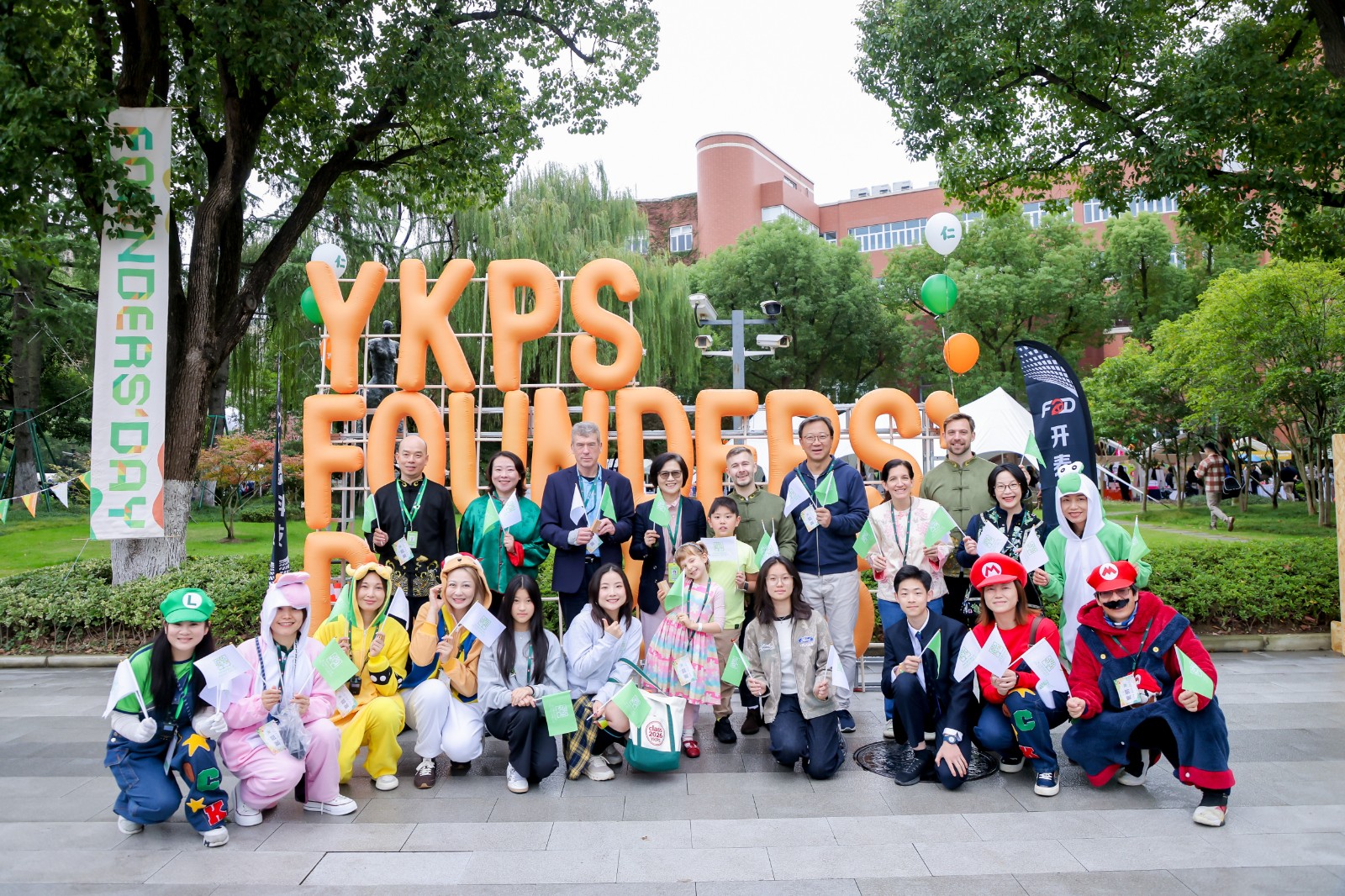
Reflecting on this year's event, Ada Wang, Middle School Principal, summarised her impressions as a sense of belonging, vitality and creativity, alongside a sense of responsibility towards the community, and the shared future for mankind. "This year, more of our students have transitioned from being 'participants' to becoming 'designers, organisers and presenters of their learning outcomes,'" she remarked. "This is crucial, as the students are not merely celebrating; they are also learning about responsibility, collaboration, and self-expression through this process."
Swipe to see more event photos
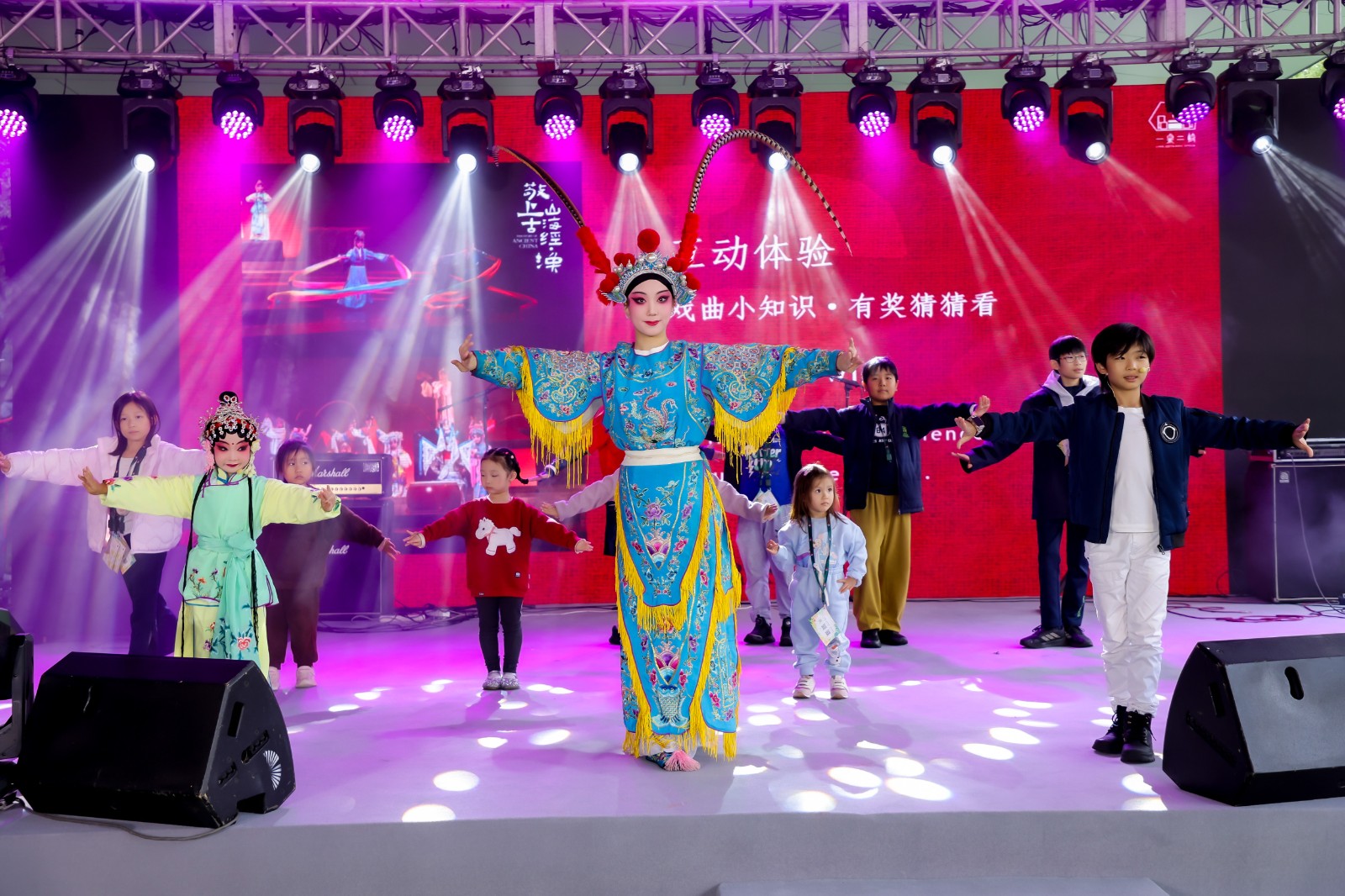
The accompanying drama performances included several pieces, including a preview of the Edinburgh Fringe Festival production, a showcase of drama class work, and an excerpt from the musical A Visit to the Forest.
Swipe to see more event photos
A woodworking workshop featured hands-on activities such as making mortise-and-tenon palace lanterns, dove pendants, and shavings lanterns.
Swipe to see more event photos
Sports competitions included badminton, pickleball, frisbee, basketball, swimming, water polo, volleyball, and football, with matches taking place not only between Hongqiao students but also in cross-campus contests involving high school students, as well as staff and parents.
Swipe to see more event photos
The student creativity stalls were entirely planned and run by the students themselves. There were more than twenty stalls, featuring original handicrafts, hands-on workshops, club exhibitions, charity promotions, and second-hand sales.
Swipe to see more event photos
Musical performances brought together a diverse range of genres, including choral singing, wind ensembles, string ensembles, piano, erhu, plucked string instruments, and rock bands.
Swipe to see more event photos
Parents and alumni families also took part in this event. The event was greatly enriched by the activities they contributed, ranging from a K.T. Miniature Car Exhibition, BMX bike trials, and interactive space technology experiences. The event was further enriched by the parents' choir, parents' basketball and football teams, and numerous other charitable activities and initiatives.
In his letter to the school community, Executive Headmaster Mark Bishop explained the significance of Founders Day, saying that it was so important for the school because it not only allowed them to remember and reflect on the legacy of YK Pao himself, but also on the current involvement of the three founders who founded the school, and that their commitment to the school remained as solid as it had been 20 years earlier. He added that in today's world while there was a massive sustainability and environmental crisis, and that although a school could only do a small amount, what was really important was that every student and every member of staff thought carefully about the world they lived in and about their consumption of that world.
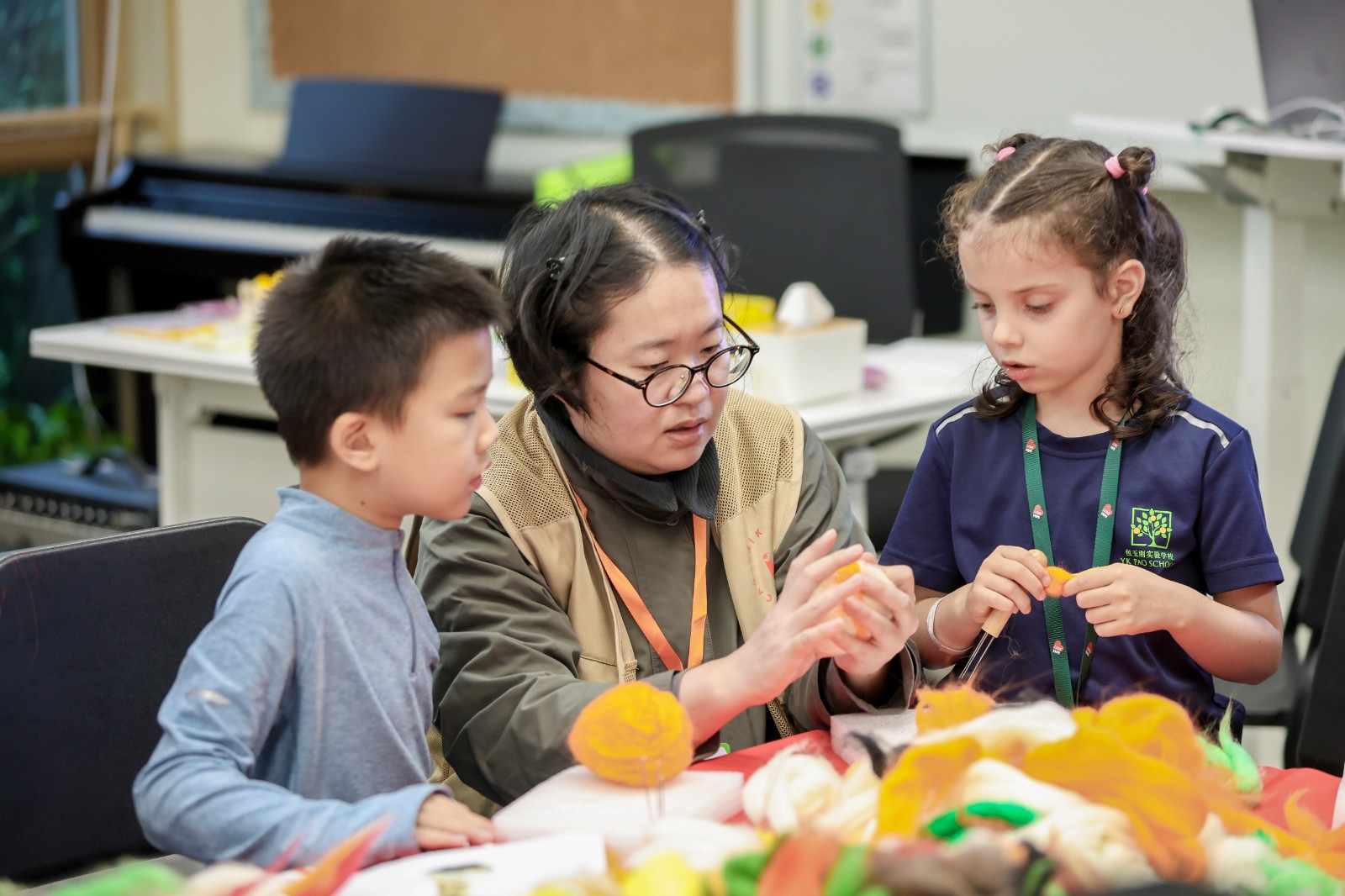
Each year group in the Primary School organised a variety of learning and experiential activities. Younger students learnt about Sir YK Pao and his family's story through presentations and videos, and engaged in lively discussions on 'how to conserve paper, water and food.' The children also used coloured paper inscribed with their House’s core values to create collages representing the initials of the four Houses, deepening their understanding of the House spirit through hands-on activities.
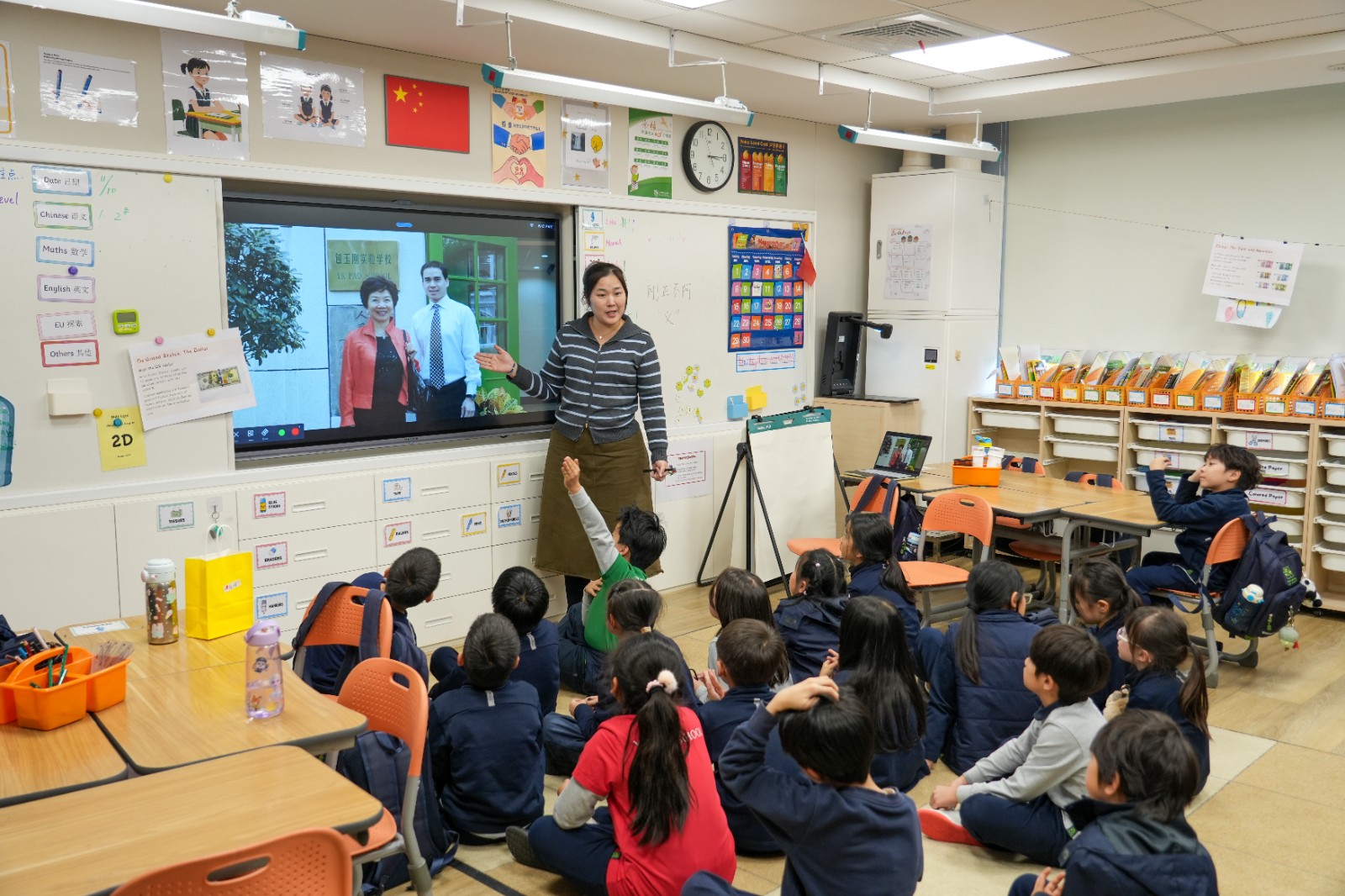
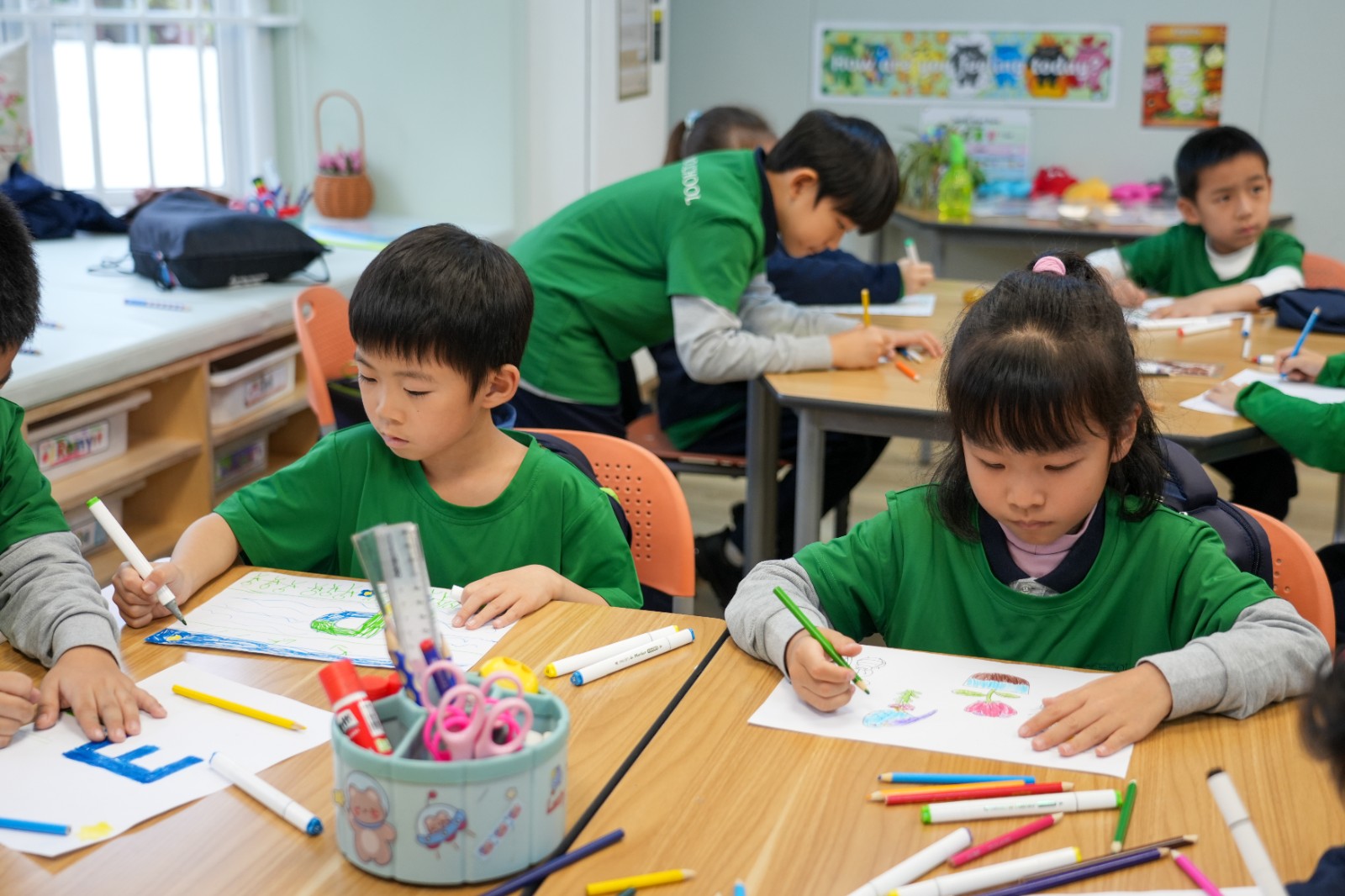
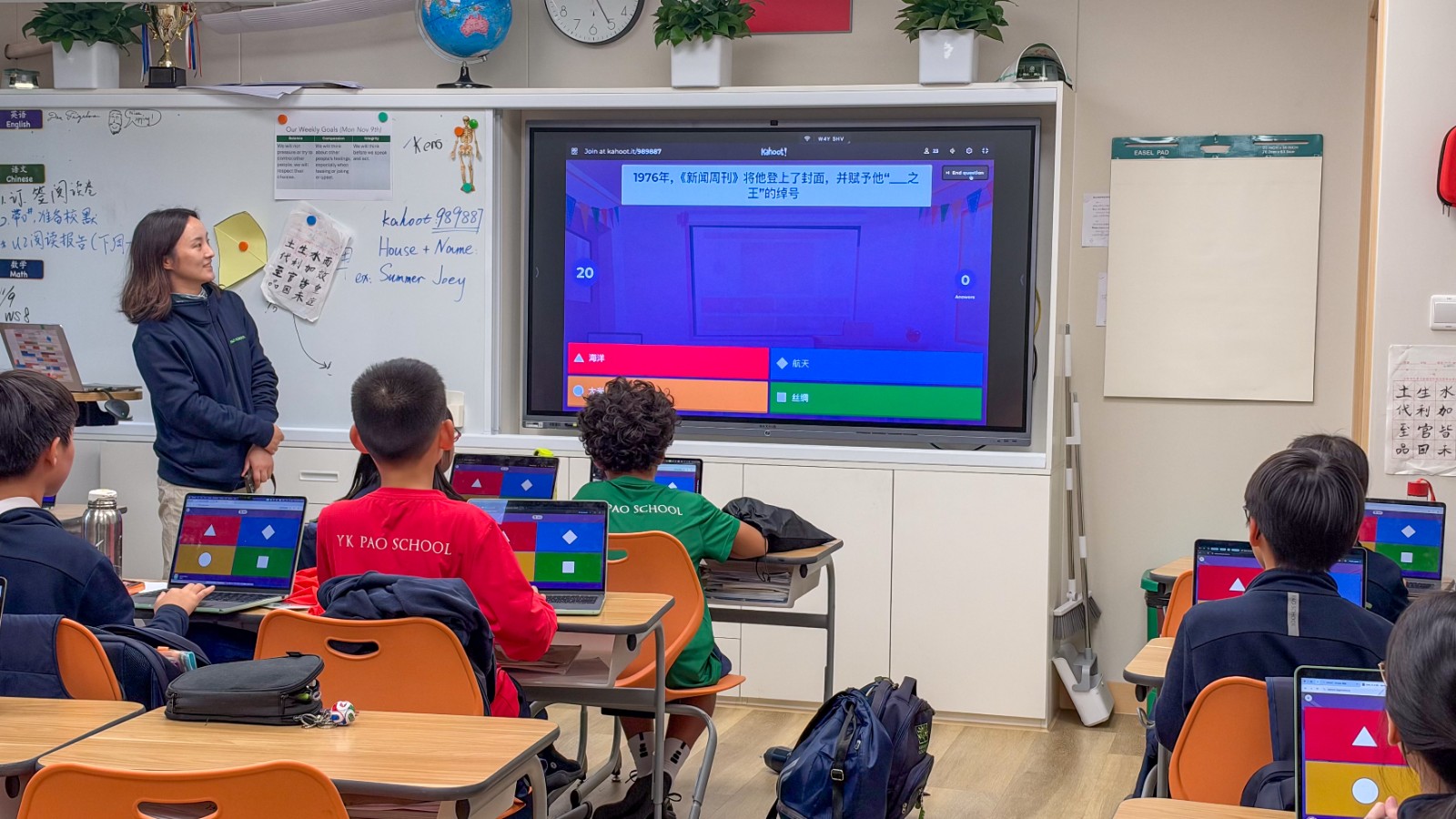
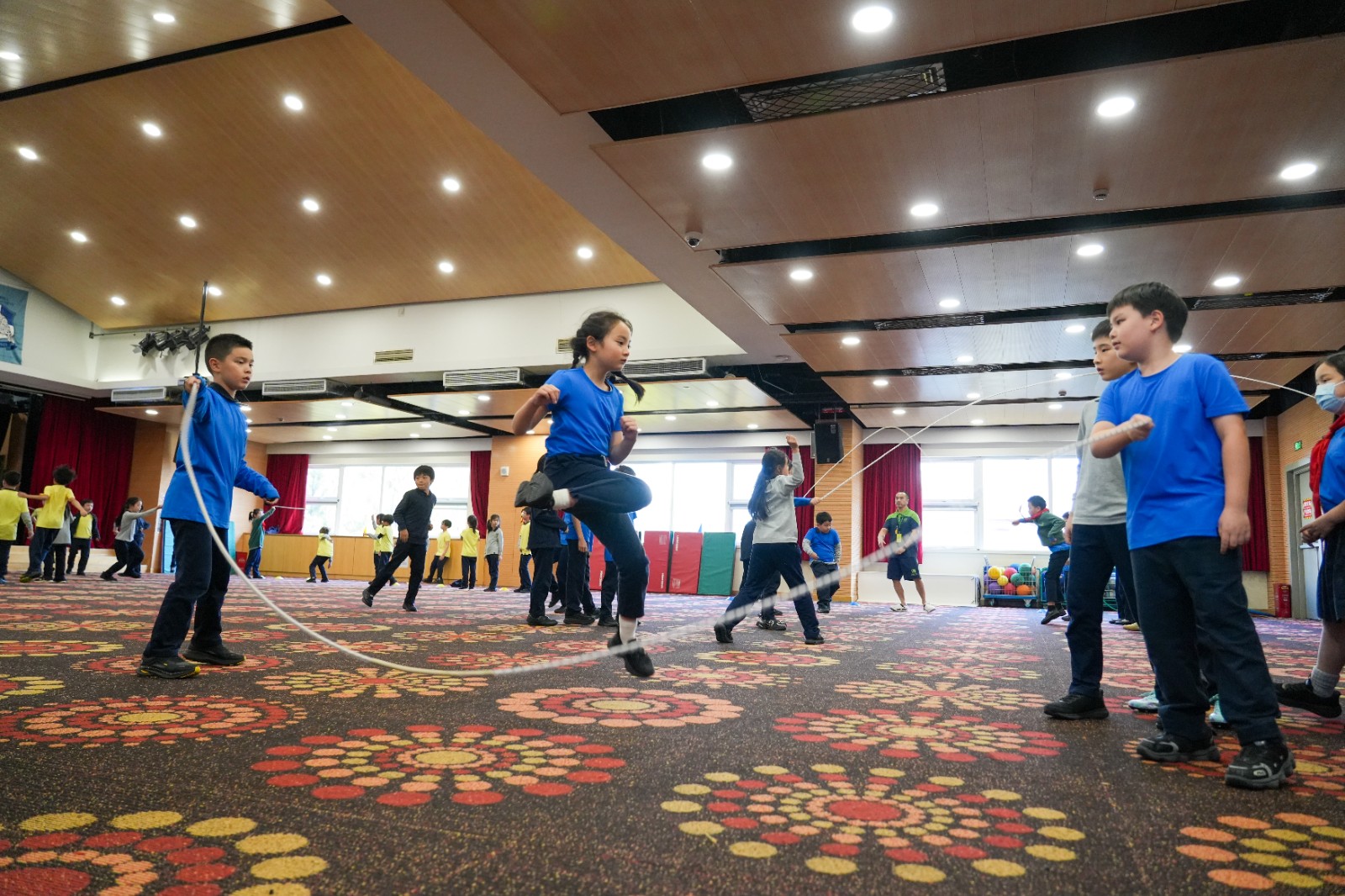
Activities for the middle and upper primary years were equally vibrant: a ' Reduce, Reuse and Recycle' quiz tested the students' environmental knowledge, role-play exercises sparked their creativity and teamwork. The rope skipping competition held special significance. This was one of Sir YK Pao's favourite sports during his lifetime; he used to exercise daily and even presented skipping ropes as gifts to foreign dignitaries. A simple skipping rope serves as the most humble embodiment of 'perseverance in physical fitness.'
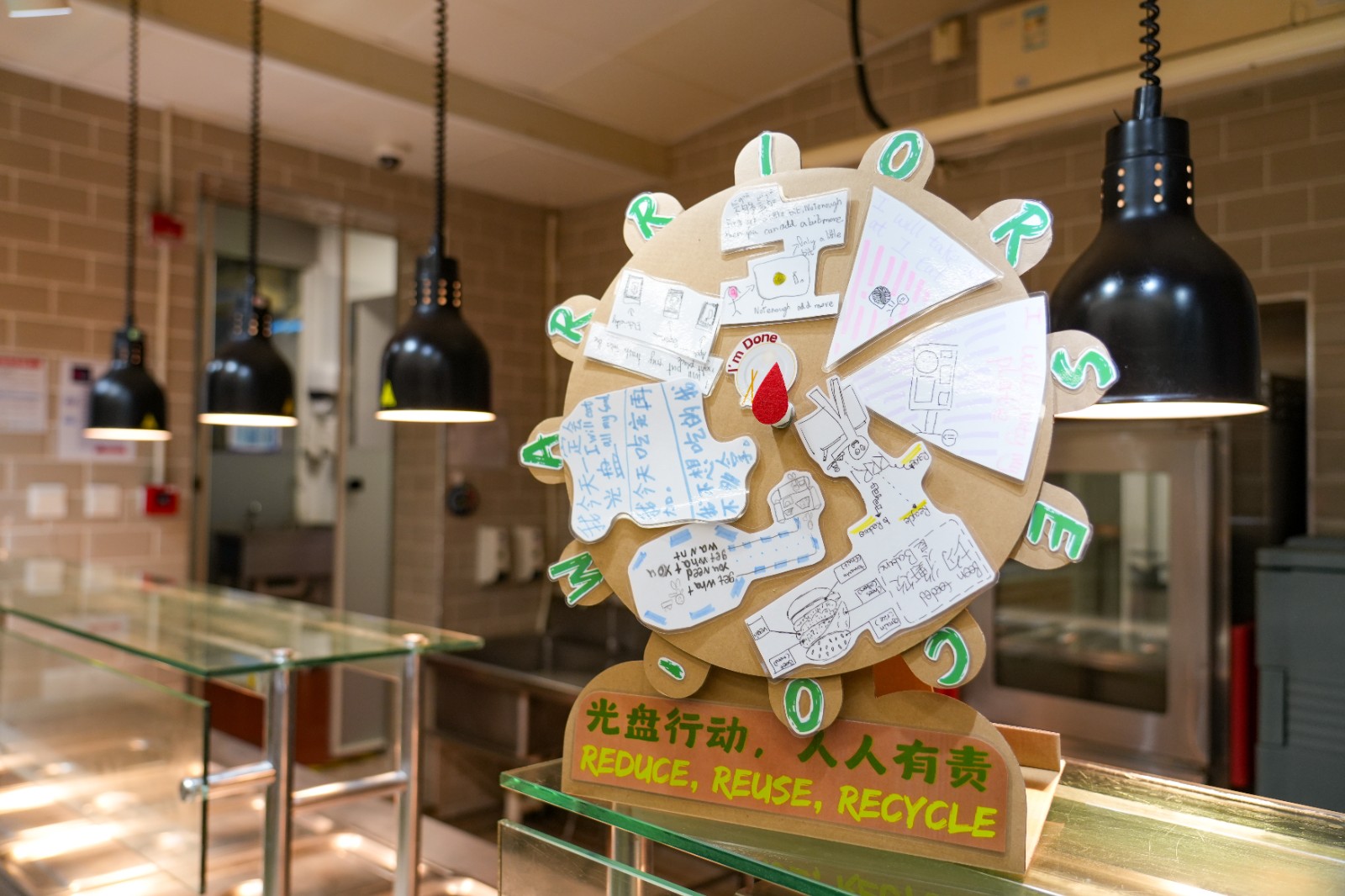
In addition, Eco Warrior team used their CCA time to explore "The Secrets of Lunch." Not only did they learn about the 3R principles—Reduce (serve smaller portions and top up if needed), Reuse (repurpose leftovers) and Recycle (recycle waste)—but they also made their own 'Clean Plate Self-Assessment Cards' and '3R Spinning Wheels.' Armed with these tools and knowledge, they led by example and spearheaded the 'Clean Plate Campaign' amongst the entire school community, ensuring that the principles of thrift and frugality were truly put into practice at the dinner table.
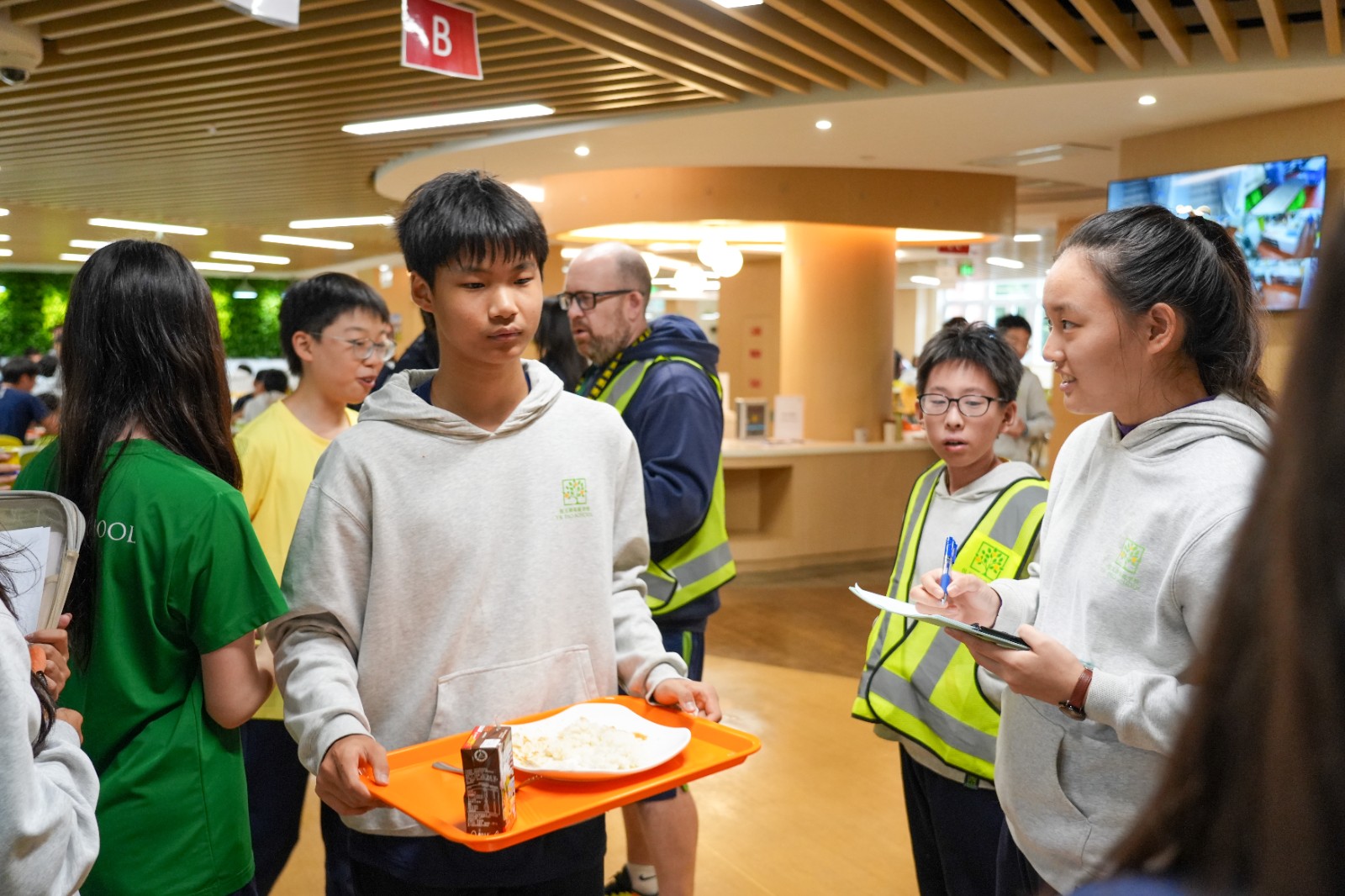
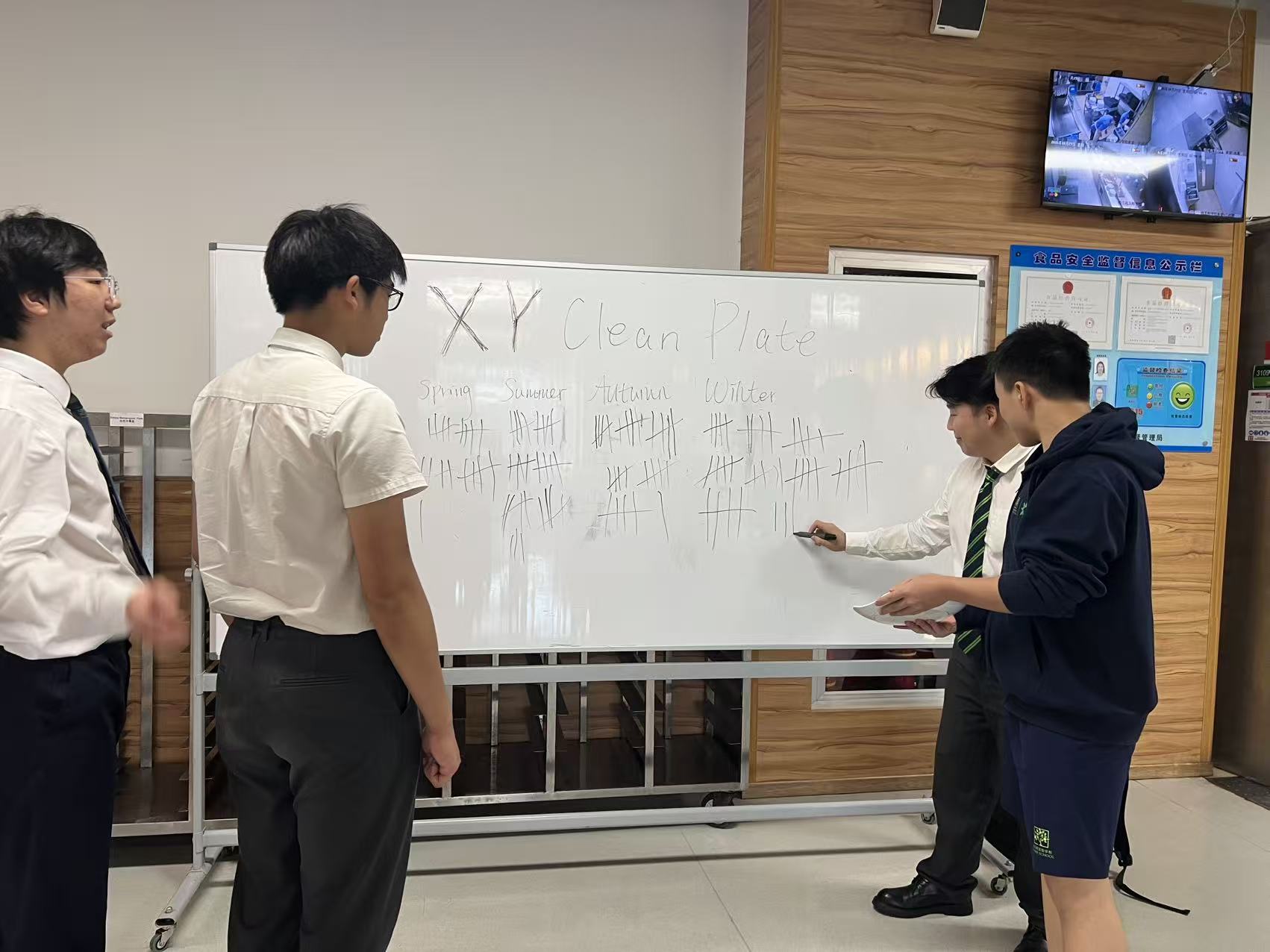
This 'Clean Plate' challenge has also been extended to the Middle School and High School campuses. The middle school have launched a friendly competition centred on cherishing food and helping pupils to appreciate, through the competition, just how hard-won food is.
During tutor periods, middle school students learnt about Sir YK Pao's extraordinary life and the contributions he made to the development of New China.
Meanwhile, all three campuses hosted themed exhibitions featuring stories of Sir YK Pao—from a patchwork bathrobe to everyday details such as writing notes on half a sheet of paper, to the family ethos behind 'the new leather shoes that could not be bought,' and the old furniture in the Songjiang campus that Sir YK Pao's wife, Pao Huang Su-Ing, had used for decades.
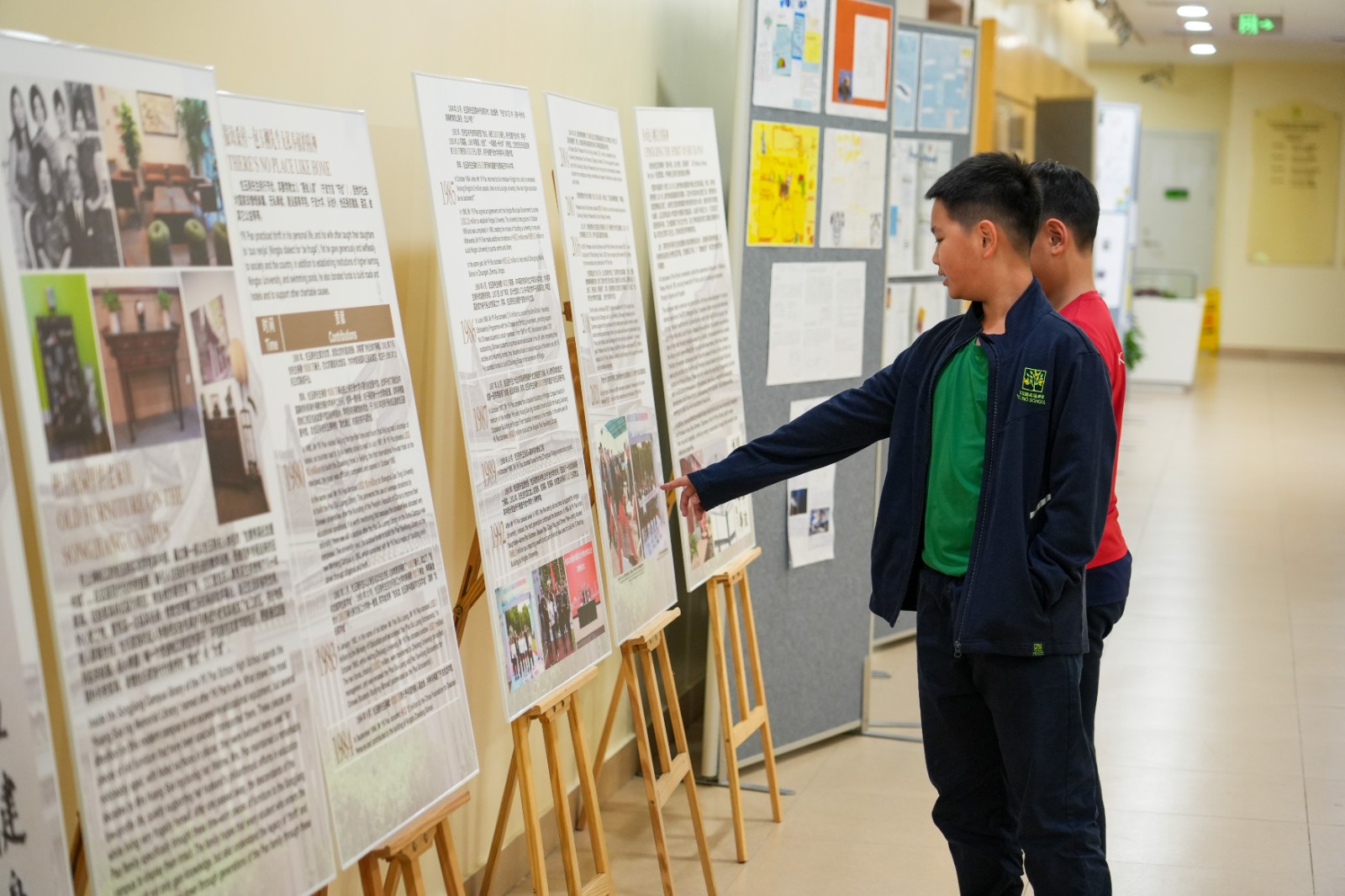
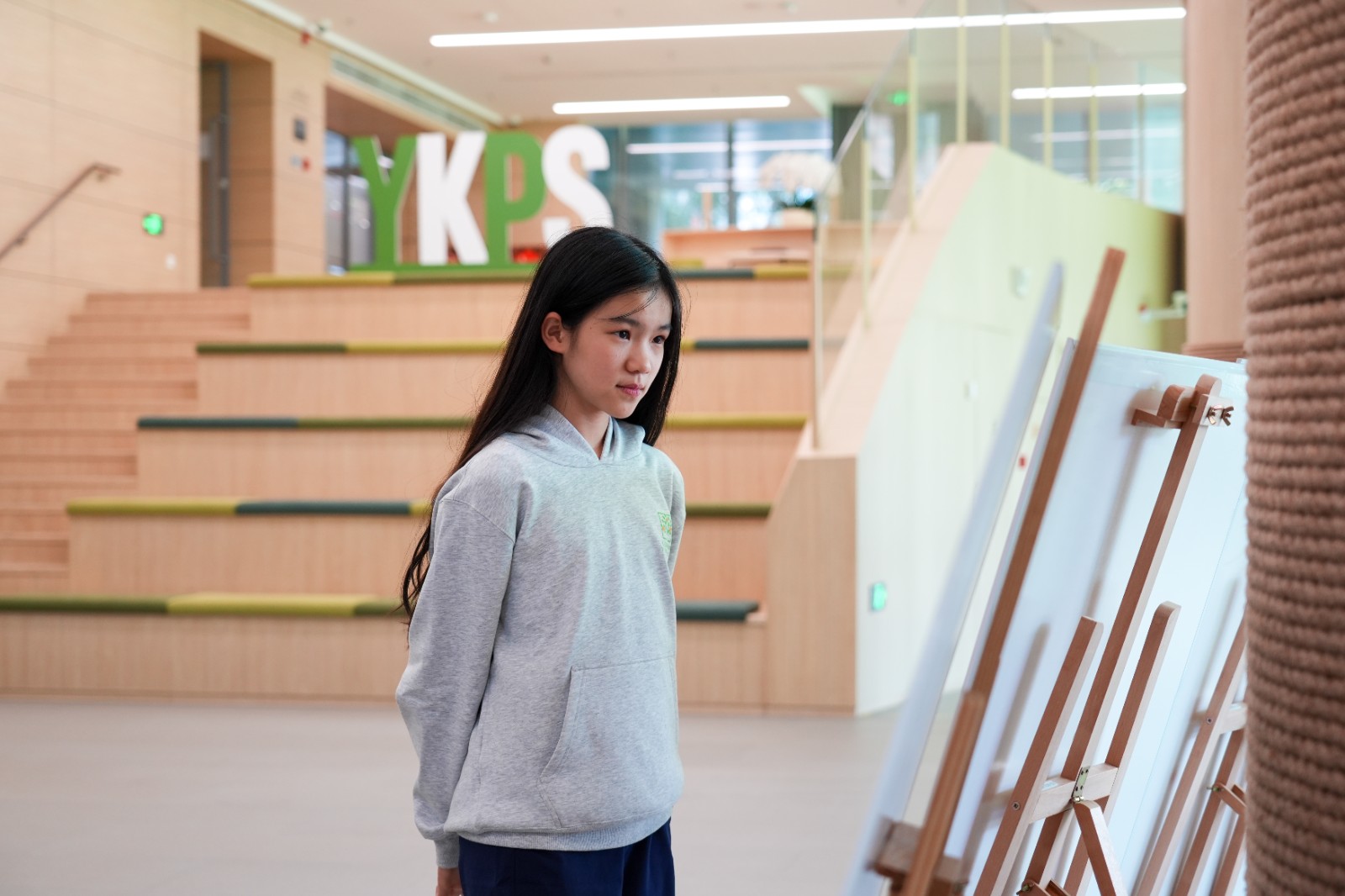
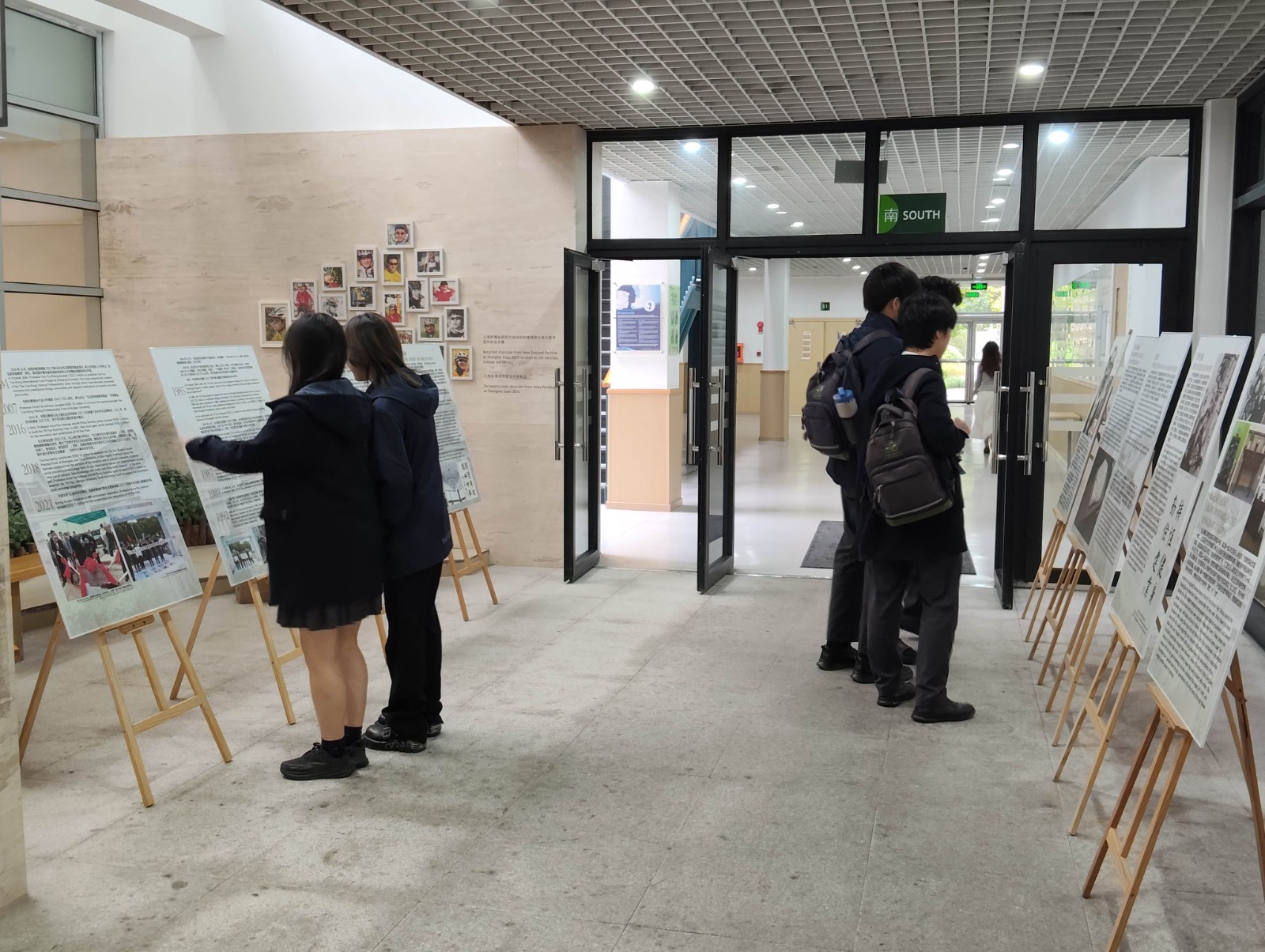
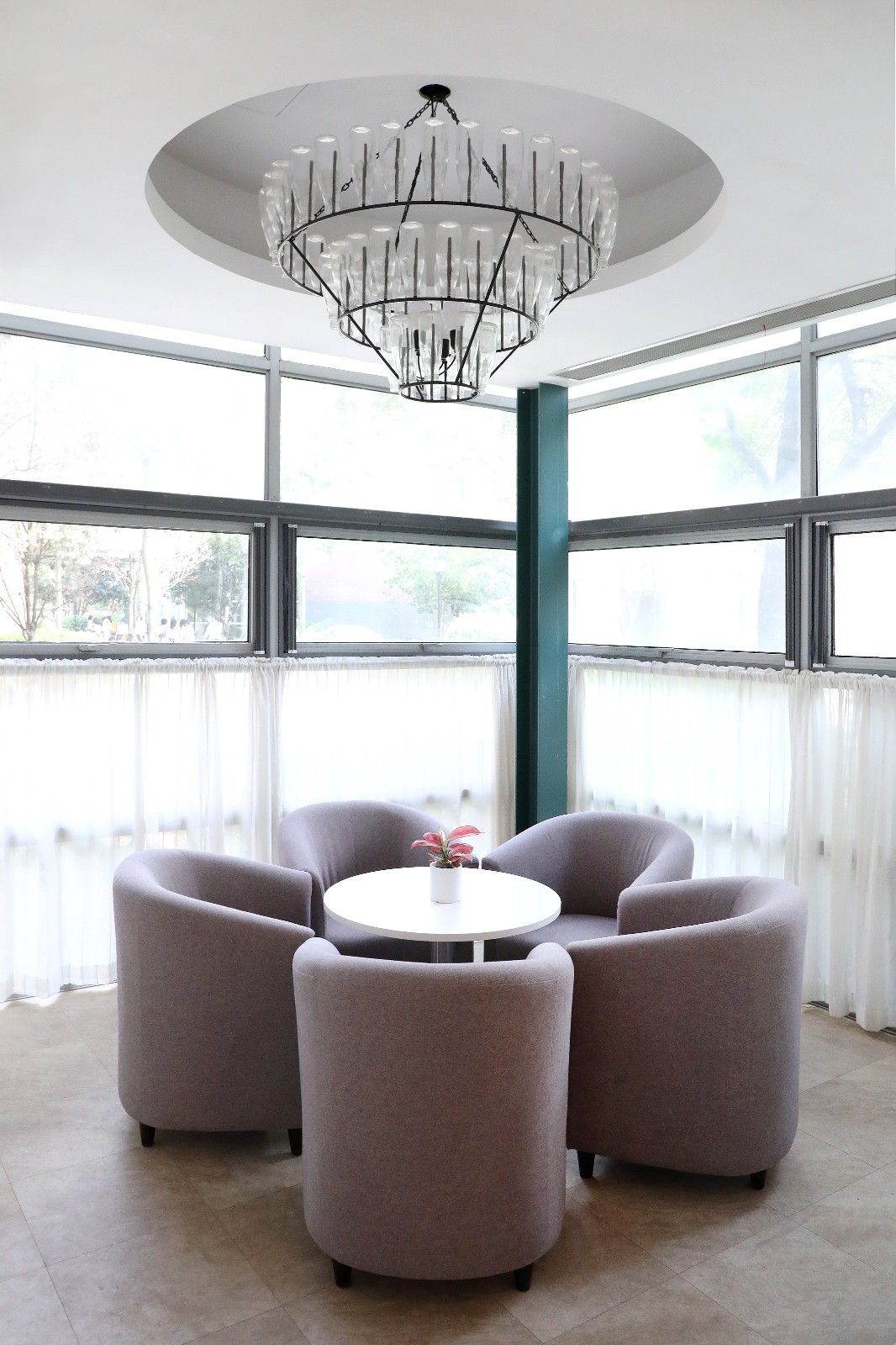
Particularly worth mentioning is that the Pao School campuses preserve numerous exhibits salvaged from the national pavilions of the 2010 Shanghai World Expo, such as the 'petal wall' from the Cyprus Pavilion, the long wooden benches made from repurposed stair treads from the New Zealand Pavilion, and the eco-friendly pendant lights designed personally by Professor Anna Pao Sohmen using recycled materials.