
Students at Pao School are celebrating a remarkable run of achievements in scientific research and innovation. From chemistry recognised by the S. -T. Yau High School Science Award, through biological and algorithmic investigations carried out under the Young Talents Programme, to imaginative projects in international AI competitions, five students across four original endeavours have translated classroom learning into innovative, real-world solutions.
Skin in the Game
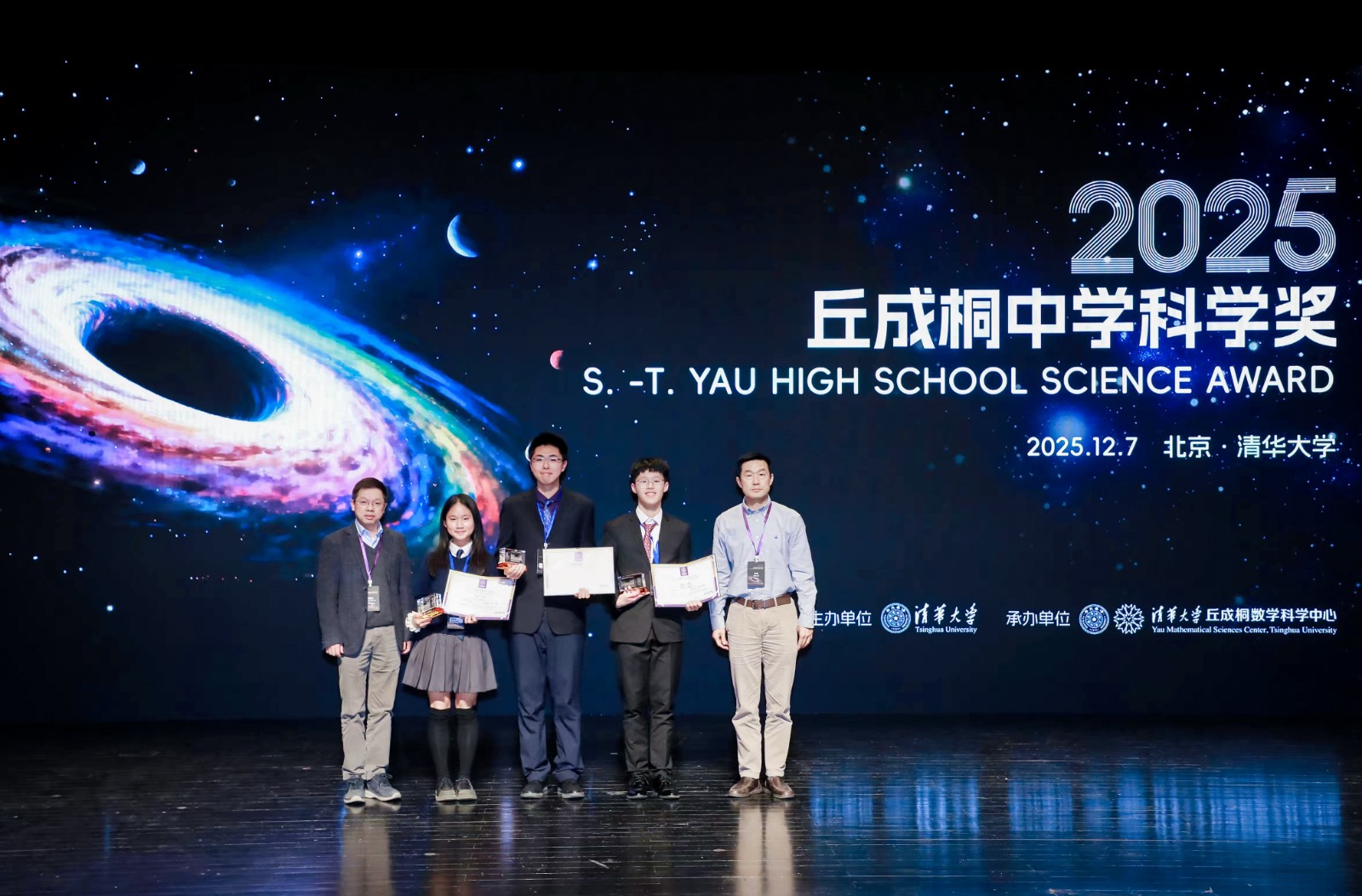
Candy Tang, a Year 11 student at Pao School, has won the bronze prize in the S. -T. Yau High School Science Award in Chemistry for a two-year project developing a multifunctional cerium nanozyme hydrogel for skin wound repair and investigating its microenvironmental regulatory mechanisms.
Candy's research journey began in the classroom. She had been more interested in economics than chemistry until her Year 9 teacher, Ms Susie Li, opened up this new world. "They were chemistry lessons that never bored you," Candy recalls. Ms Li's combination of imaginative presentation with clear logic turned abstract principles into thought-provoking puzzles that sparked curiosity.
As the first captain of the school pickleball team, the sweat and scrapes on the court gave her a firsthand sense of skin repair. "This project combines my love of sport with my interest in biochemistry," she explains. From practical concern a scientific idea took shape. She set out to develop a novel intelligent dressing that can actively repair skin wounds.
Rather than a conventional bandage, she has developed a new hydrogel dressing for skin wounds and burns. The gel actively clears harmful substances from the wound, combines antibacterial and anti-inflammatory actions, and promotes rapid healing by modulating the wound microenvironment.
For a high school student, conducting independent advanced research was a challenge in every respect. "At first the hardest part was reading the literature. I could not understand those technical papers at all," Candy admitted. She asked teachers for help and used AI tools to work through the texts paragraph by paragraph, gradually building the necessary background. The lab work was even tougher. She synthesised four key materials herself, repeatedly adjusted proportions and ultraviolet exposure to tune the hydrogel's elastic modulus to the optimal value for cell growth, and carefully controlled the cerium oxide concentration to ensure it was safe for human cells.
The breakthrough was made possible through Ms Li's guidance, as well as the support from the Pao School Foundation's STEAM Fund and its supervisor Mr. Yifan Shen.
STEM Fund
The STEM Fund, launched by the YK Pao School Foundation in 2024, supports the High School's STEM Projects and empowers students to pursue independent research. To date it has funded more than 20 student led projects across environmental science, engineering, biology, chemistry and computer science. From proposal through execution, students lead each project, gaining hands-on, real-world experience that directly complements and extends their classroom learning.
Her journey brought profound growth. She began applying her IB lessons to real research. "I have become more resilient and clearer about my future direction," she concludes.
A Head for Science
In a biology lesson at Pao School, Judy Yin's fascination with the life sciences was sparked when her teacher compared cellular transport proteins to a revolving door. This initial fascination led her to research medicinal herbs in Shanghai Jiao Tong University's labs through the Young Talents Programme.
Judy's research centres on a common nuisance, dandruff. Under the supervision of Shuangjun Lin at Shanghai Jiao Tong University, she sought a natural herbal formula to suppress Malassezia, the fungus behind dandruff. She initially screened four herbs from classical works such as the Compendium of Materia Medica, but only the leaves of Platycladus orientalis proved effective. This unexpected result spurred her to investigate further.
After discussing the discovery with her supervisor, Judy expanded her screening and found that Hedyotis diffusa and Forsythia suspensa were even more effective. She explored how the herbs worked together, ran extensive experiments and analysed the data to pinpoint the best proportions and improve methods of extraction.
During the six-month study she spent two months in the laboratory. From culturing fungi to recording data, every stage required rigour and patience. "Research is not just about results. It was the preparation process, and the way data were handled, that made me appreciate the true appeal of scientific enquiry," she said.
Seeks the beauty of algorithms in the Sudoku grid
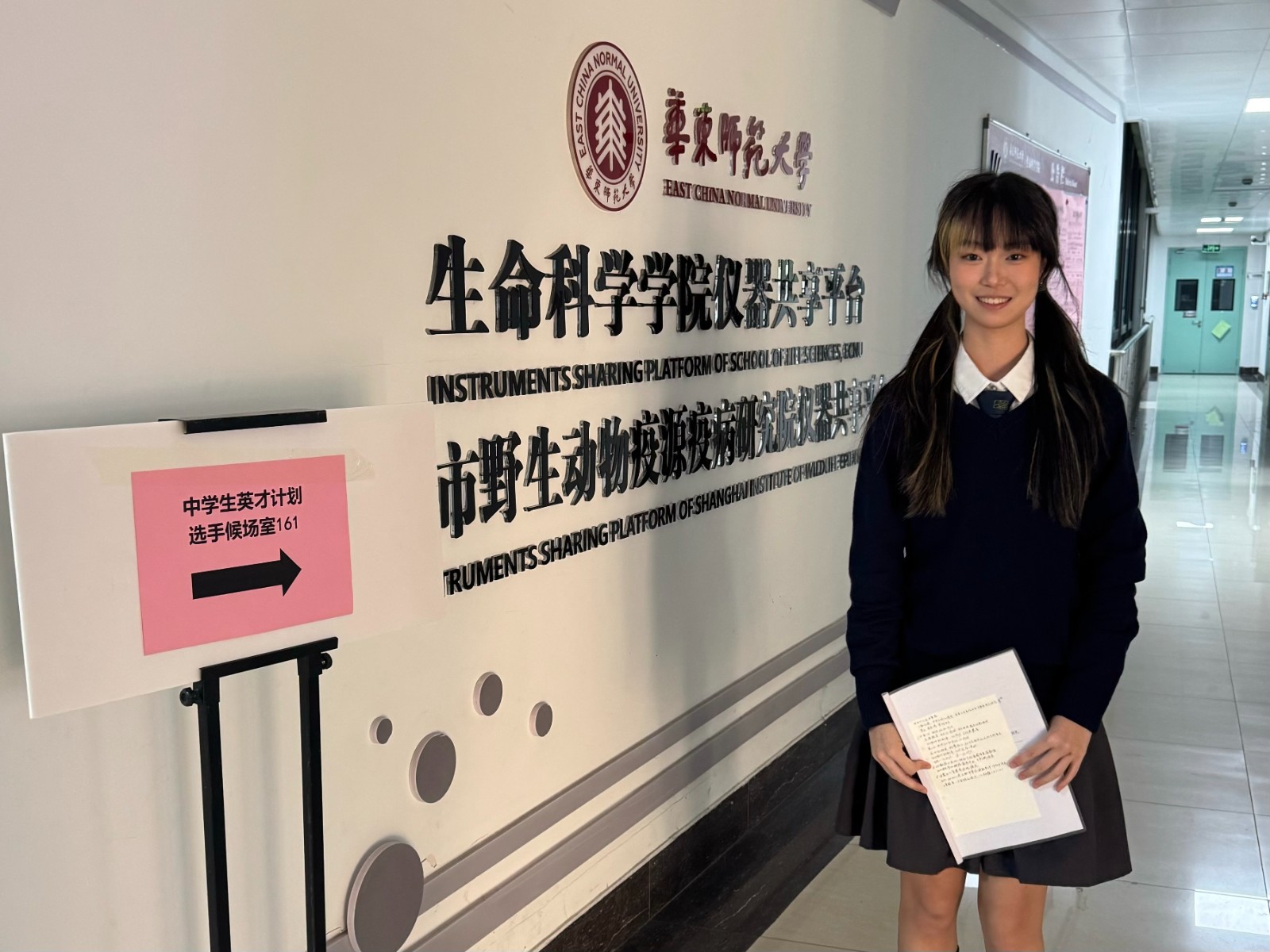
Within the maze of numbers and logic, Peter Pan, a Year 12 student at Pao School, took an unconventional route. Chosen for the Talent Programme thanks to his quiet fascination with computer science, he began researching intelligent algorithms for solving Sudoku puzzles, under Professor Aimin Zhou at East China Normal University.
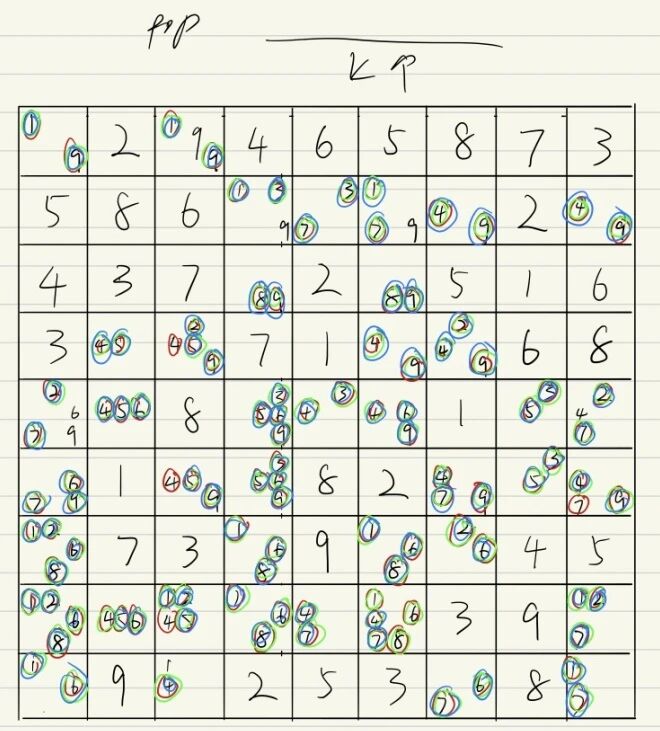
Curiosity was the starting point of his exploration, but the crucial breakthrough came with a shift in mindset. Rather than pursuing the usual exhaustive‑search approach to classic Sudoku puzzles, he turned to genetic algorithms, which he supplemented with a range of optimisation strategies, arriving at a far superior solution. Under Professor Zhou Aimin's guidance, everything clicked together. "Sudoku is an excellent example of a constraint‑satisfaction problem," he had come to understand. "Our research should ultimately inform the design of algorithms that tackle real‑world issues."
Peter went on to explain that computer science divides problems into P and NP classes, with NP problems being generally harder and more time‑consuming to solve. Sudoku is a typical NP‑hard problem. By tackling such challenges, he has been exploring how complex computational tasks can be reframed into general algorithmic frameworks that are efficiently solvable — a promising step towards tackling real world puzzles far more pressing than Sudoku.
《Life of a Leaf》
Phoebe Guan and Alice Yang, students at Pao Middle School, placed fourth worldwide at this year's WAICY International AI Competition with their project 'Life of a Leaf.' Iris Kong secured the fifth position globally with her project "Táphia".The contest attracted entrants from over 132,000 pupils, from 103 countries. The piece by Phoebe and Alice casts a single leaf as its protagonist. Aided by AI, they delicately render its journey from first sprout to eventual decay, bringing the beauty and contemplative depth of the microscopic world to light.
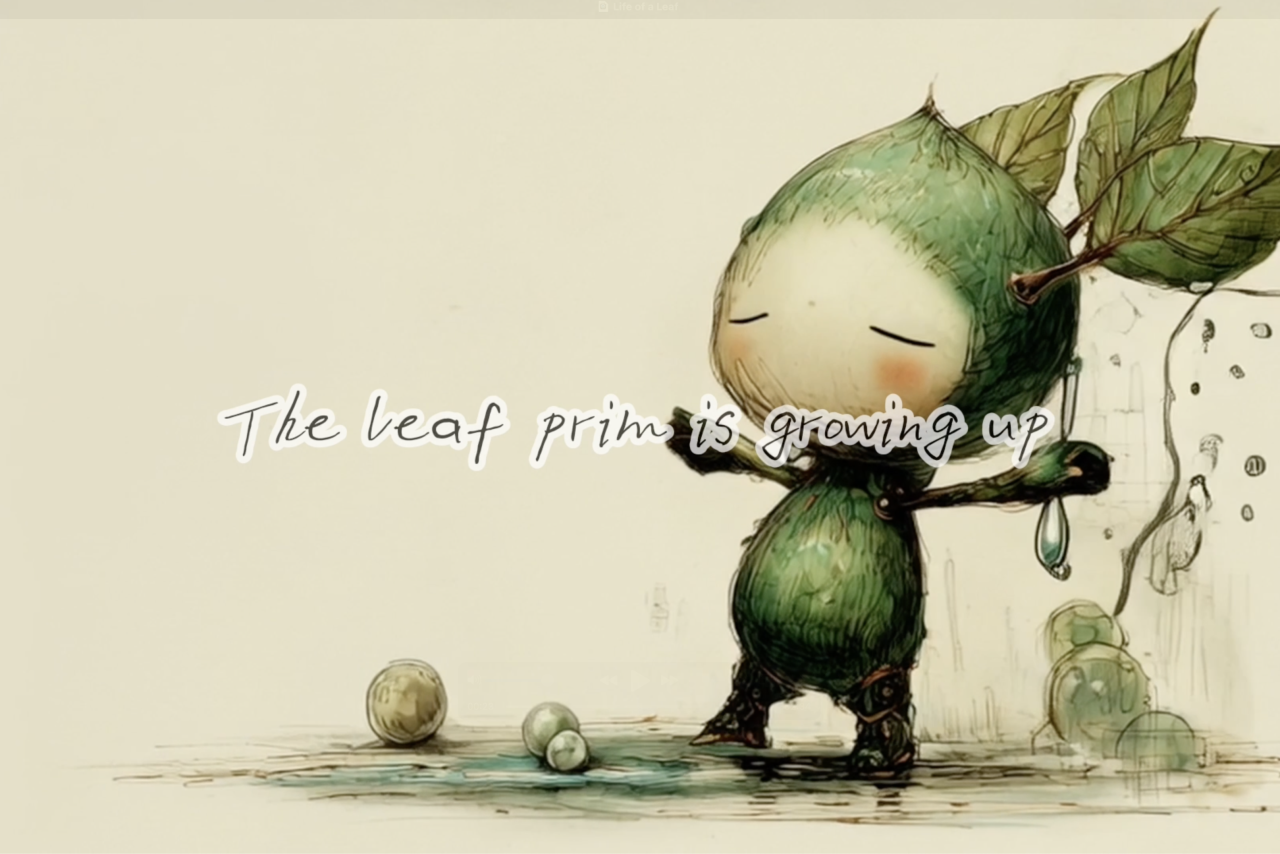
The project originates from the integration of two distinct perspectives. Combining Alice's sensitive nature of storytelling with Phoebe's personalised micro-documentary style, it follows a leaf through its entire life cycle, in order to show that every ending is a new beginning.
The creative process involved a patient dialogue between art and technology. Phoebe and Alice began by constructing a narrative framework for the leaf's four life stages, then worked with AI generated tools, repeatedly refining prompts to realise their visual aims. They faced decisions such as whether to include a voiceover, but ultimately chose restrained subtitles so that the images and music could tell the story by themselves.
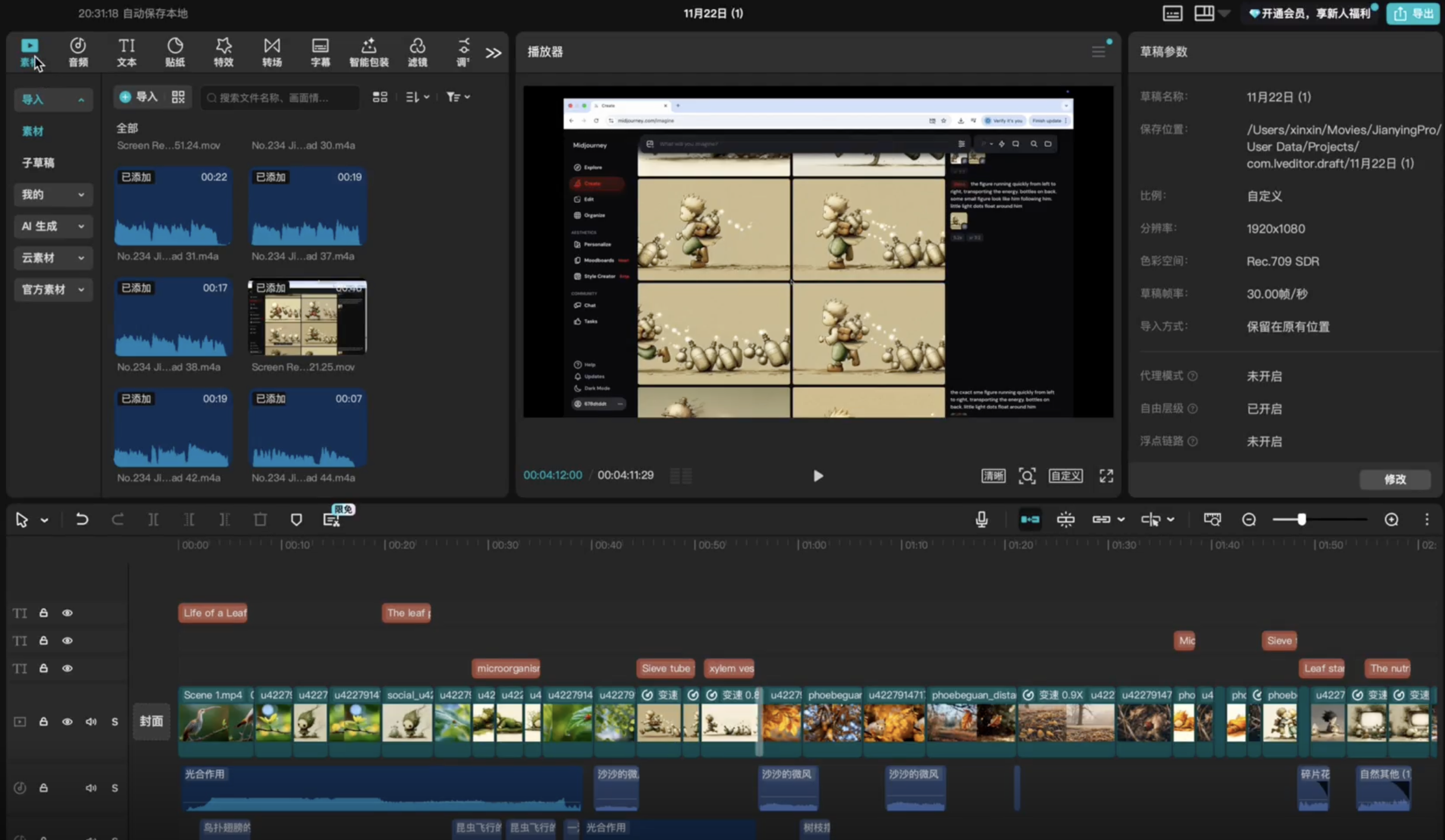
Phoebe describes technology as "the key to understanding nature." Alice, meanwhile, moved beyond her previous assumptions about AI, recognising its potential for creative expression. Beginning with a single leaf, the two students produced a successful interdisciplinary project, telling a profound story about life, technology, and beauty.