
Artificial intelligence is advancing at an unprecedented pace, driving rapid and continuous change. At YK Pao Middle School, how best to harness AI to support teaching, learning, and student development has been a central focus of ongoing reflection and exploration. As Middle School Principal Ada Wang has observed, the AI era will bring profound societal transformation, and it is the school’s responsibility to lead the way—guiding teachers and students in bold experimentation, empowering every member of the community, and preparing them as thoroughly as possible for the future. Over the past two years, the Hongqiao Campus has systematically deepened the integration of AI across curriculum redesign, instructional practice, and the development of core competencies.
Curriculum Restructuring and Teacher Empowerment
One of the Middle School’s key priorities is delivering a high-quality Middel School curriculum that ensures smooth transition from Primary through High School. The emergence of AI has provided a powerful tool for this complex, multifaceted undertaking. Two years ago, the Middle School began a curriculum redesign, guiding the teaching team through horizontal comparisons of curriculum frameworks and standards from China and abroad, alongside a vertical review of knowledge progression and competency requirements across the primary, middle, and high school levels. This process produced a comprehensive revision of the Middle School curriculum.
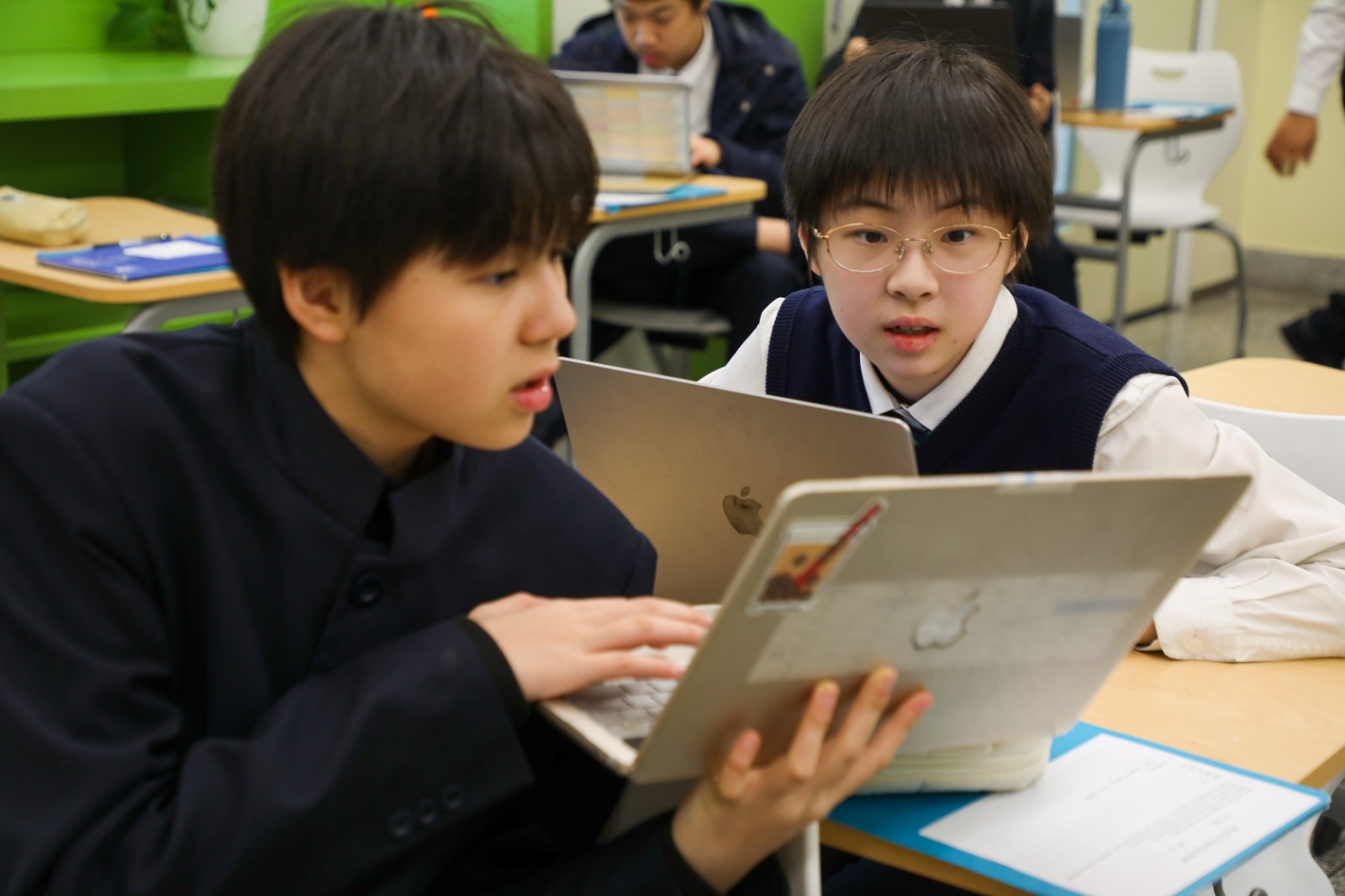
The school is now in the process of developing an AI-assisted curriculum system that enables teachers to conduct in-depth comparisons of subject content, difficulty, standards, assessment methods, and competency expectations. As Middle School Deputy Principal Sara Roesler notes, “The data generated by this powerful system will be particularly valuable within YK Pao Middle School’s curriculum framework, as it ensures our curriculum effectively prepares students for the IBDP and equips them with the knowledge and skills they will need going forward.”
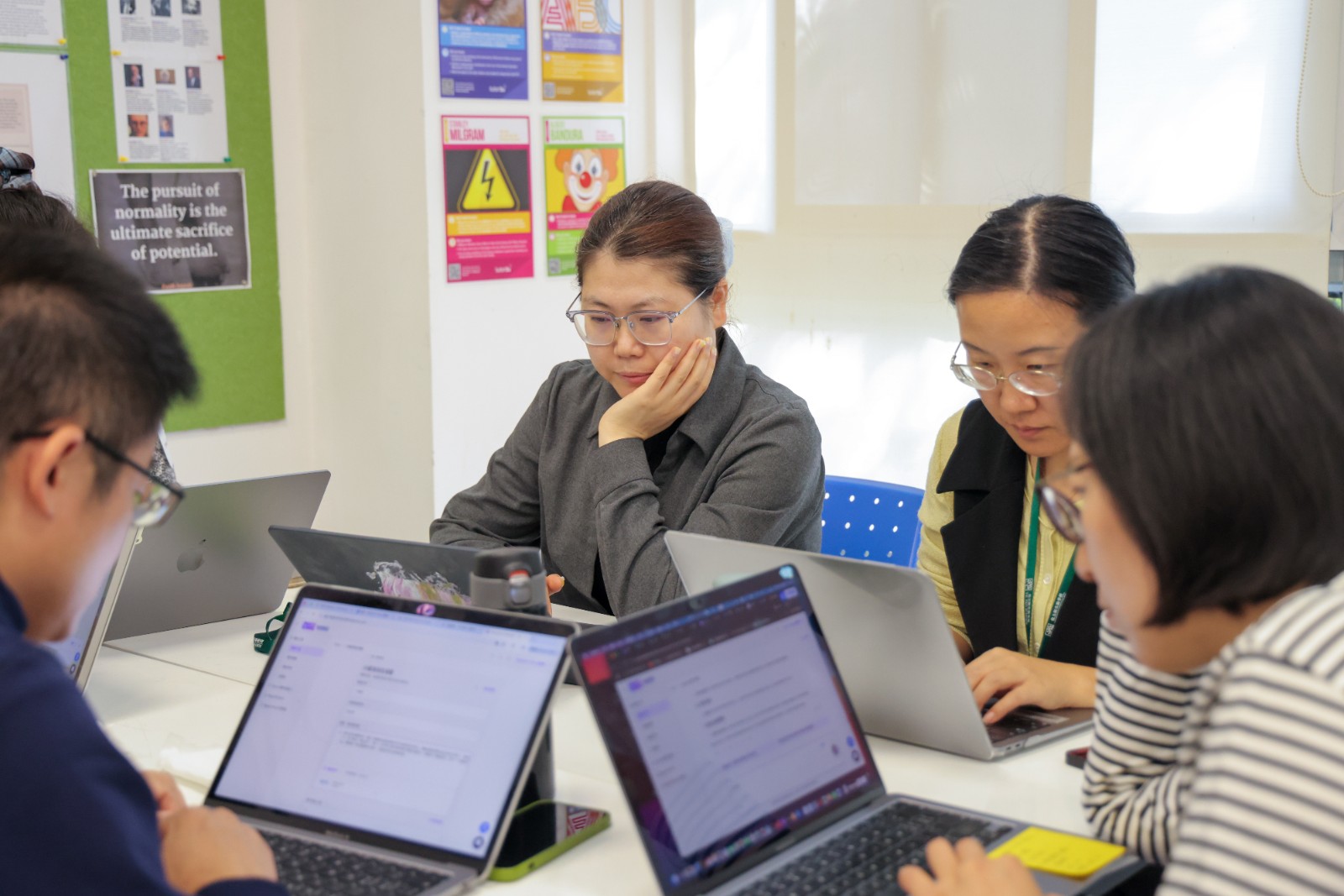
Alongside the curriculum redesign, the Middle School has made professional development for teachers in AI a strategic priority. The school has introduced a range of AI tools and encourages teachers to experiment with them in their daily practice. Meanwhile, the school is shifting its focus from "using AI to improve efficiency" toward deeper applications—exploring how AI can directly enhance students' learning by providing teachers and students with more timely, detailed, and actionable feedback and guidance. As Principal Ada Wang puts it, "AI is a powerful tool that can enable a wider range of teaching and learning scenarios—and may even fundamentally transform how teachers teach and students learn. We should embrace it to drive education forward."
Subject‑Area Practice and Competency Development
The application of artificial intelligence, while driving profound societal change, as poses significant risks and ethical challenges.
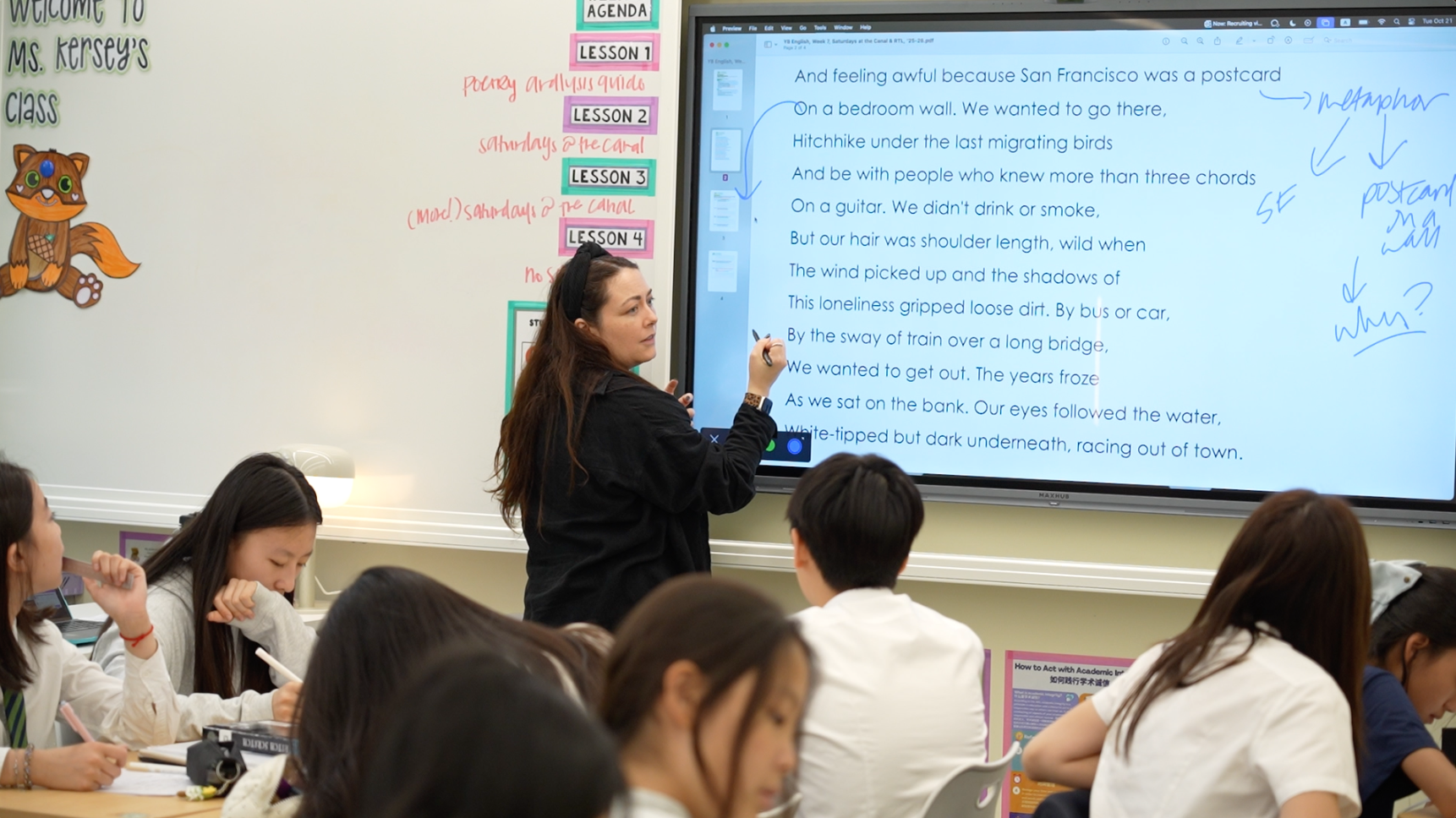
Middle School Head of English Kayla Kersey offers an example from Year 7 English. In that unit, students tackle the essential question: ‘What are the risks of advanced technologies?’ They read and analyse several different texts, ranging from speculative fiction featuring conflicts between man and machine to current news articles and scientific reports about AI and the age of information. The unit asks students to think critically, to examine closely, and to consider the meaning of literacy in a world undergoing rapid change. Tasks include collaborative discussions, organising paragraphs, and extended writing production. By the close of the unit, students have bolstered their understanding of current technologies, the risks and rewards of our interconnected landscape, and the ways in which global citizens can safely engage with innovation.
Meanwhile, Middle School Head of Humanities Jane Hu introduced AI into the unit on Chinese physical geography. Students investigate how landforms shape production and everyday life across different regions of China, with each student choosing a specific terrain region, presenting its key characteristics, and citing a concrete, real-world news example to explain the way local people have adapted their methods of production, livelihoods, or economic development to those terrain features, illustrating the principle of 'adapting measures to local conditions.' Students may use AI as a tool for inspiration or to research information, but they must follow AI usage rules: AI must not replace their own thinking, and any AI assistance must be declared honestly with an AI use statement. For example, a useful prompt might be ‘Search for real news examples about how people adapt to their region' or 'Summarise the key points of this long news article.' AI responses should serve only as a starting point or reference. The analysis and conclusions must be completed independently by the student.
Progressive Courses and Thinking Development
According to Hongyi Xue, Middle School Head of Technology and Design, the middle school ICT curriculum stacks AI education in three interconnected tiers. Firstly, the Year 6 compulsory course focuses on AI fundamentals. These cover what AI can and cannot do, risks of use, and how to use AI tools for learning, cultivating students' awareness and ability to use AI responsibly. Secondly, the Year 7 compulsory course requires students to design and build a website for a real‑world user with the help of AI tools. Finally, the Year 8 elective course goes further into AI programming, enabling students to propose solutions to real‑world problems. From awareness to application, and from application to creation, these three tiers progressively enhance students' AI literacy, as they move from serving themselves to serving others.
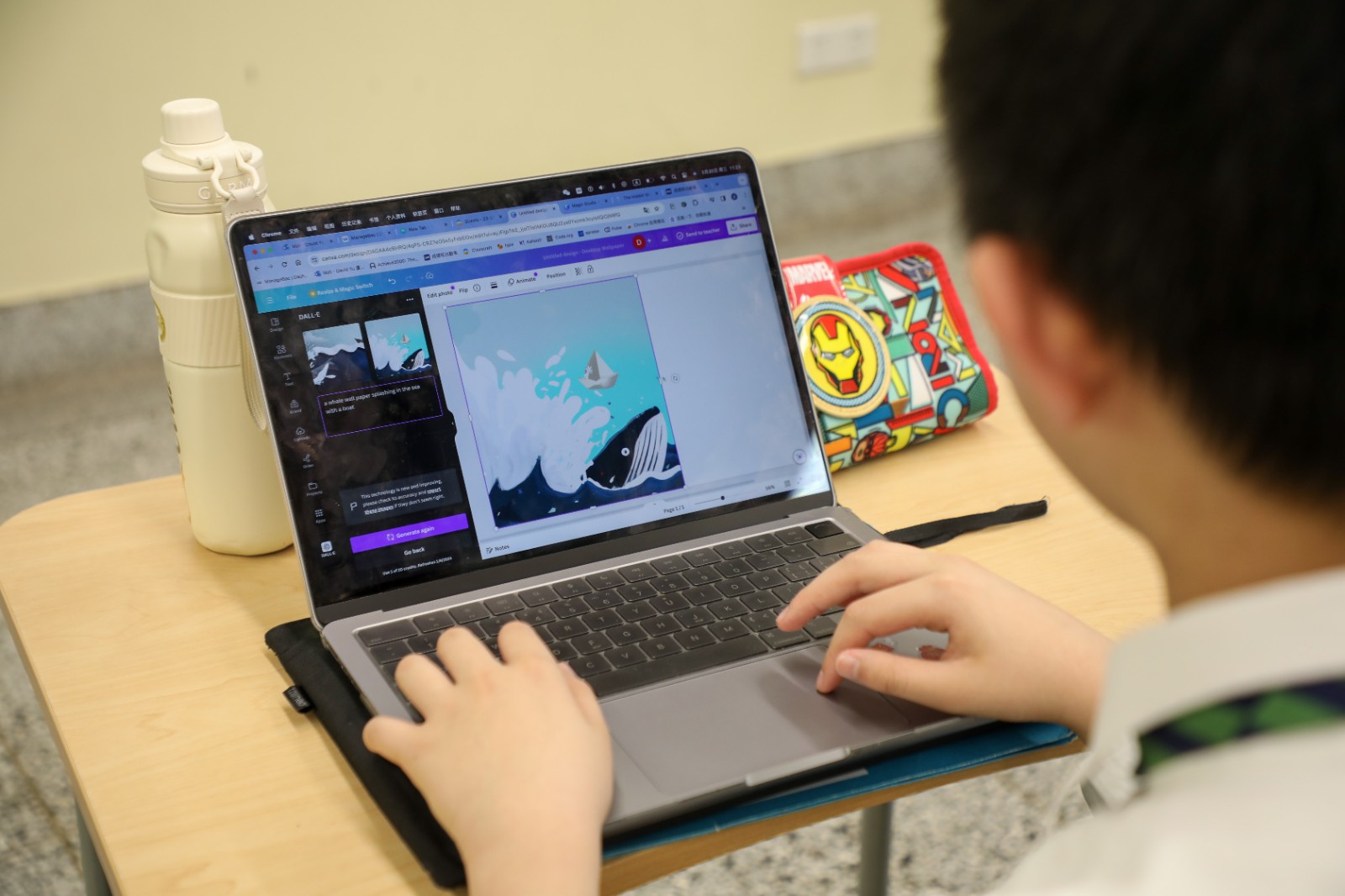
Beyond regular classes, the school also offers Co‑Curricular Activities such as 'AI Exploration and Innovation Practice' and a 'Mathematical Modelling Competition.' These stimulate students with a strong interest in AI to explore and innovate further in the field. For instance, the Mathematical Modelling CCA guides students from 'learning mathematics' to 'using mathematics, data, and AI to solve real‑world problems.' The course runs in two semesters: the first focuses on data modelling fundamentals and academic writing, covering questionnaire design, variable classification, regression analysis, and more; the second turns to optimisation and systems modelling, introducing AHP/TOPSIS multi‑criteria evaluation, linear programming, graph theory, Monte Carlo simulation, and other tools, which enable students to see the value of mathematical models in real‑life scenarios, such as scheduling, queuing, and pricing.
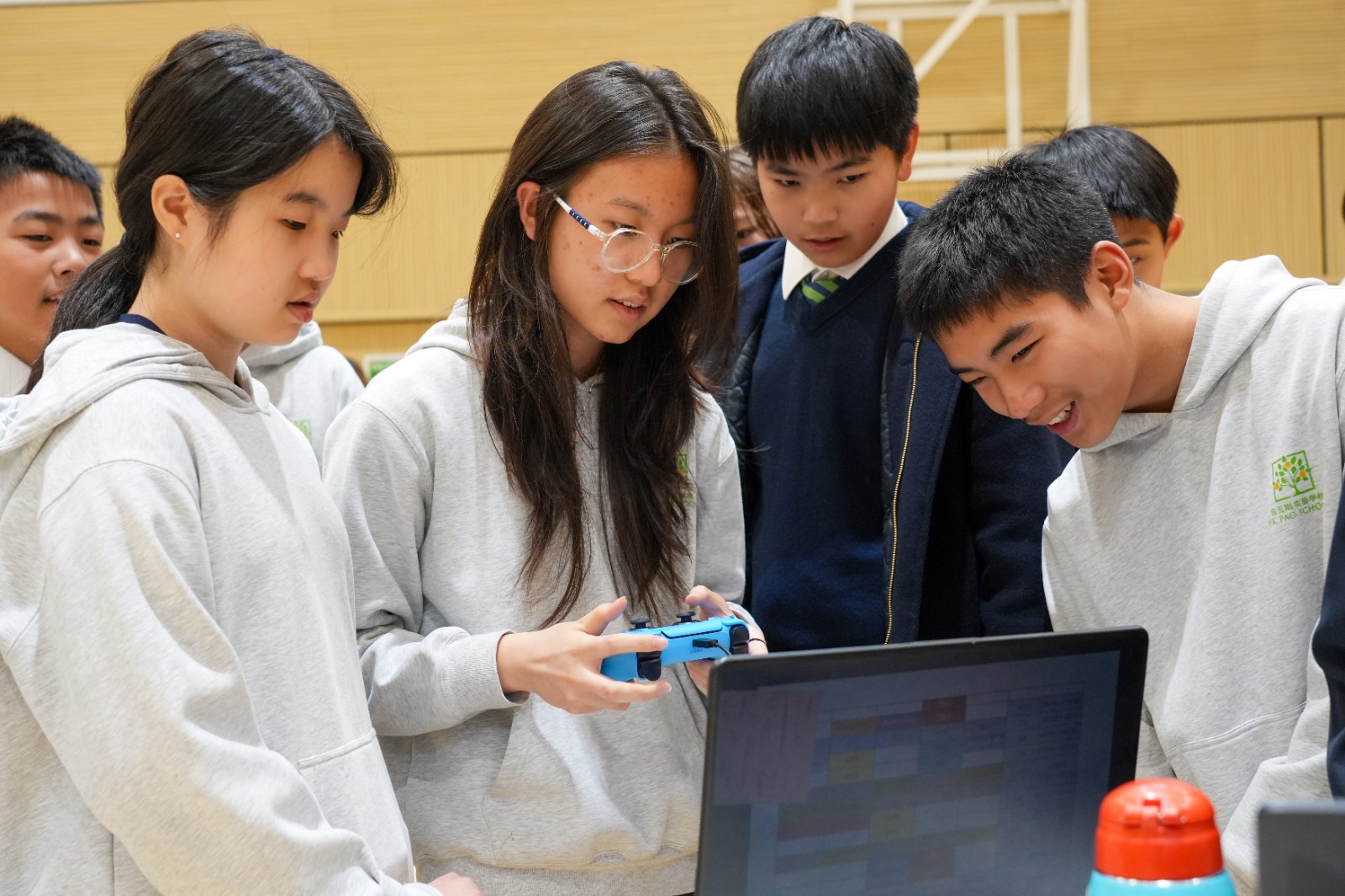
Although designed for middle school students, the course operates at a level close to university‑style project‑based learning. Most of the problems it tackles have no single correct answer. Students need not only a mathematical foundation, but also sustained commitment and a proactive work ethic. When students face such open‑ended problems, they learn to find resources independently, synthesise information, and present their research clearly, thus developing a more mature approach to learning.
Competition Experience and Personal Growth
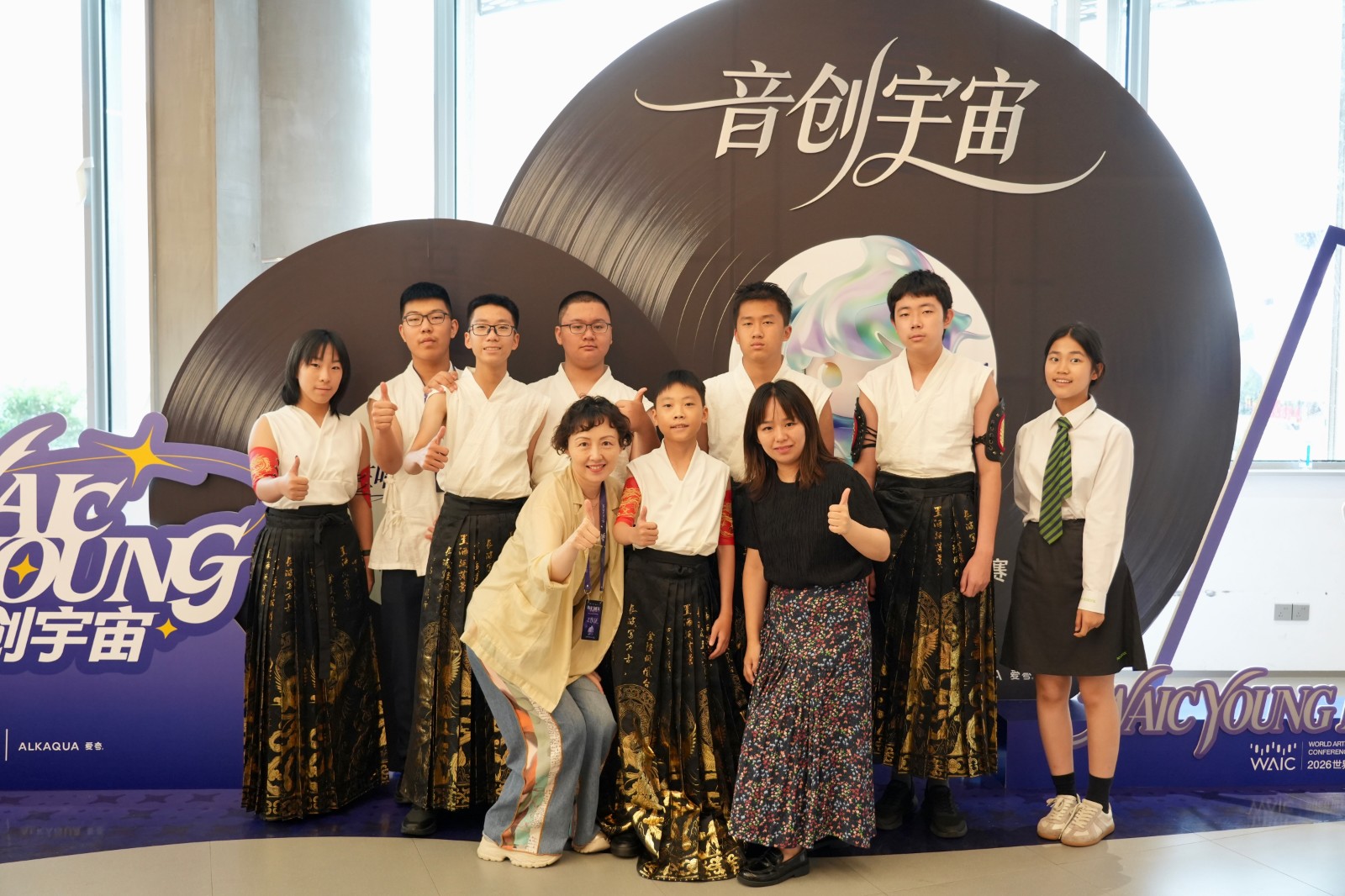
Beyond the classroom, middle school students have excelled in various AI‑related competitions. In WAICY, the world's largest youth AI competition, three students (including one group of two) placed fourth and fifth globally in the AI Video category. They were the only winners from China in that category. In the 'AI Algorithm Challenge' of the 6th Yangtze River Delta Youth AI Olympiad, four teams of 12 students all won first prizes. Another 14 students received multiple awards in the AIGC Music Creation track, and were invited to events such as WAIC Young 2026, the Global Youth Innovation Literacy Forum in the AI Era, and the Shanghai International Youth Science and Technology Innovation Challenge Camp.
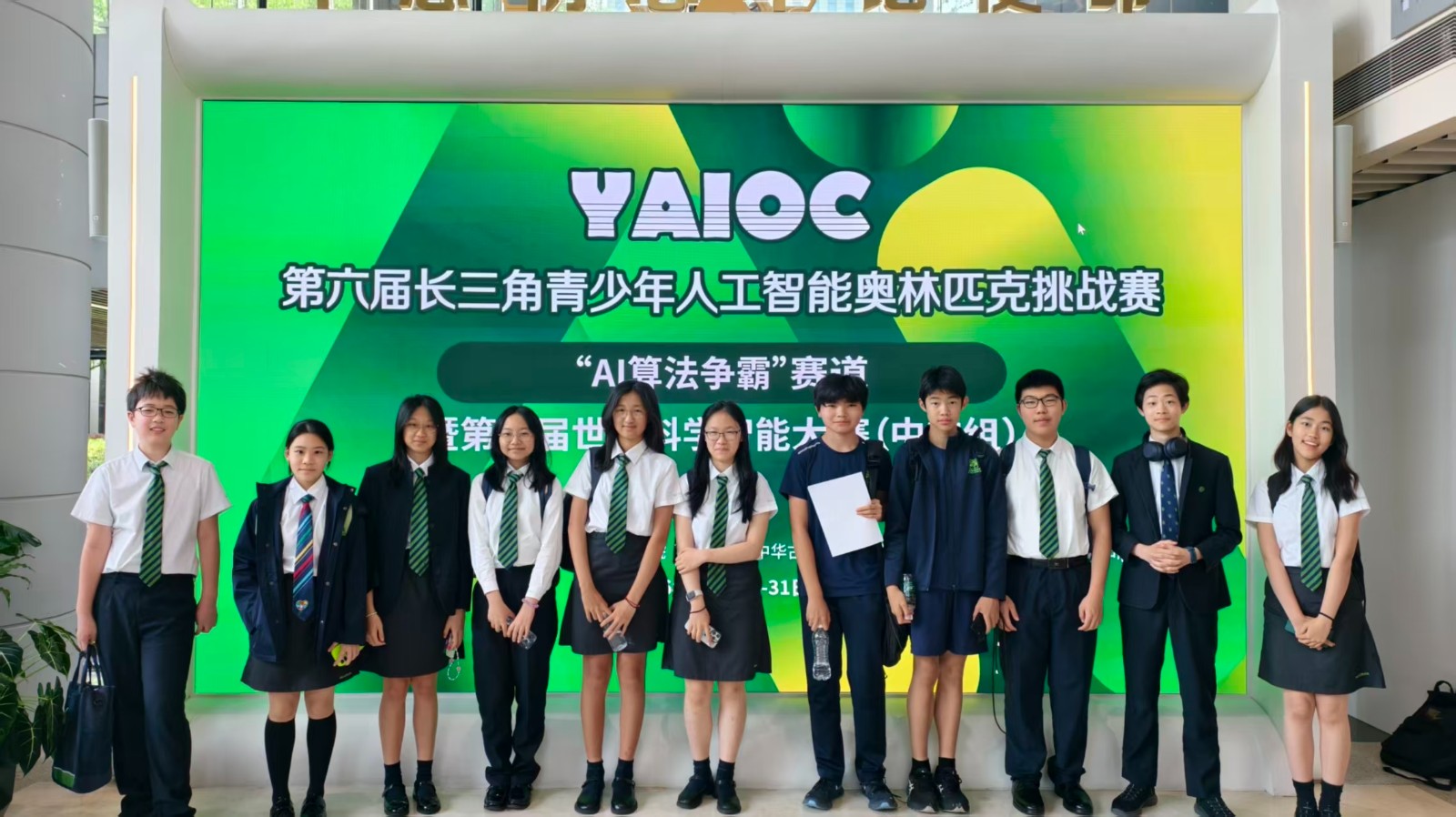
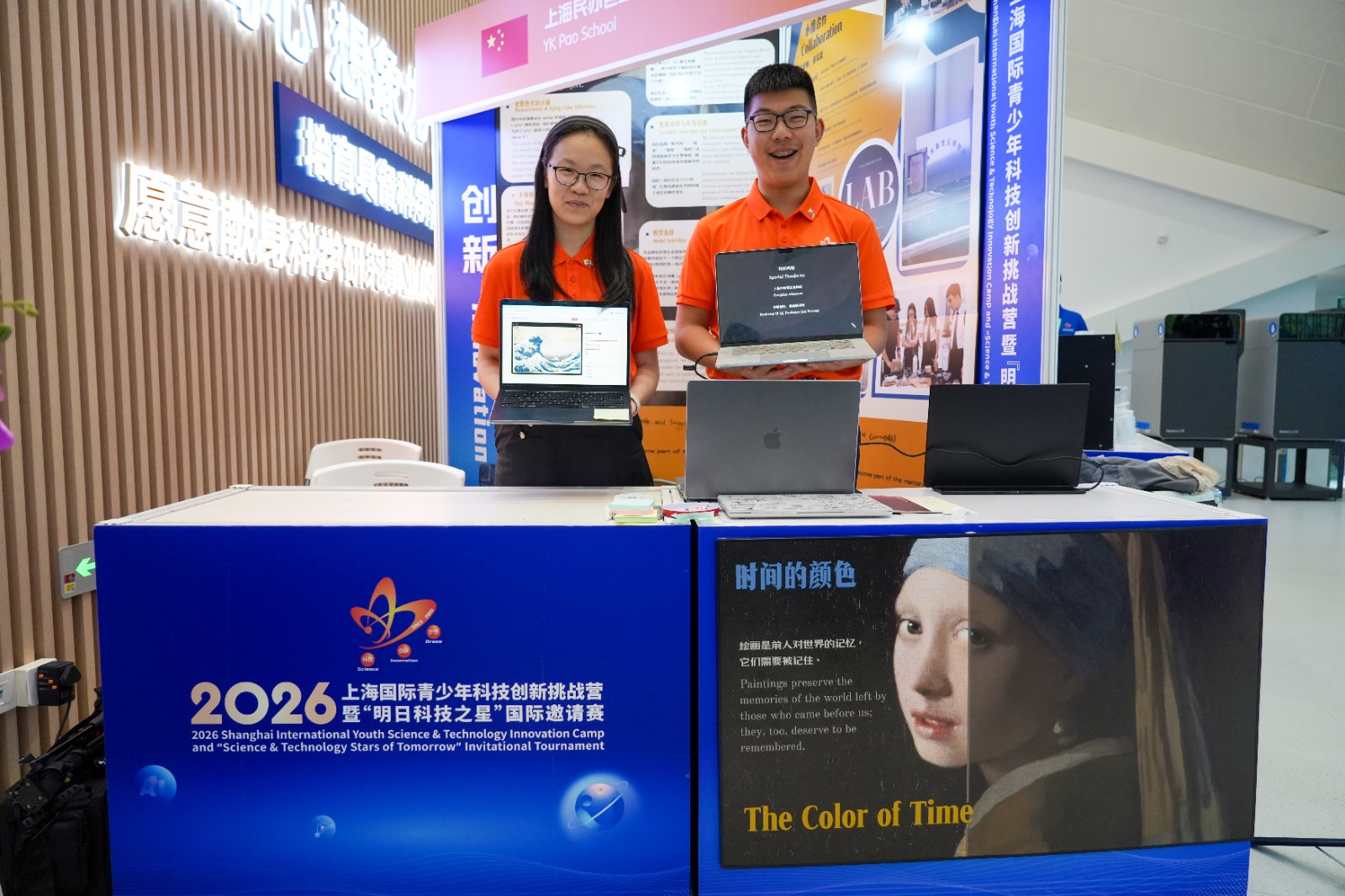
Student growth is even more noteworthy beyond such awards. The 'AI Algorithm Battle' track focused on a real‑world problem in cultural heritage preservation: the ageing of ancient Chinese paintings under ultraviolet light. Studying this process requires long and costly experiments. Participating students used AI programming to build mathematical models that simulate and predict colour degradation, instead, exploring in this way the feasibility of digital solutions for heritage conservation.
During the process, Ms. Xue observed the students' transformation from initial hesitation to the embrace of challenges. Through the ups and downs of the 15‑day leaderboard competition, they learned not to be defined by a single score, but to continuously review, reflect, and improve. More valuable still, they faced real‑world problems for the first time. For instance, in making pigment ageing predictions, where data came from actual experiments, requiring them to think about underlying patterns rather than simply plugging numbers into models. In this way they came to understand mathematical modelling as a language for understanding the world. Teamwork was equally crucial. Student participants moved from working individually to a clear division of labour, and in their final presentations they demonstrated confidence and composure, reflecting the effectiveness of Pao School's whole‑person education.
As Middle School Principal Ada Wang said, Education for the future must actively respond to the changes of our time. It's not just about teaching students to use technology; it's about safeguarding independent thinking within human‑machine collaboration. None of this is about chasing trends. Rather, it's about helping every student find a firm footing in an uncertain future. And that is the best interpretation of Pao School's whole‑person education in the AI era. *Special thanks to the Hongqiao Campus team for their contribution to this article.