

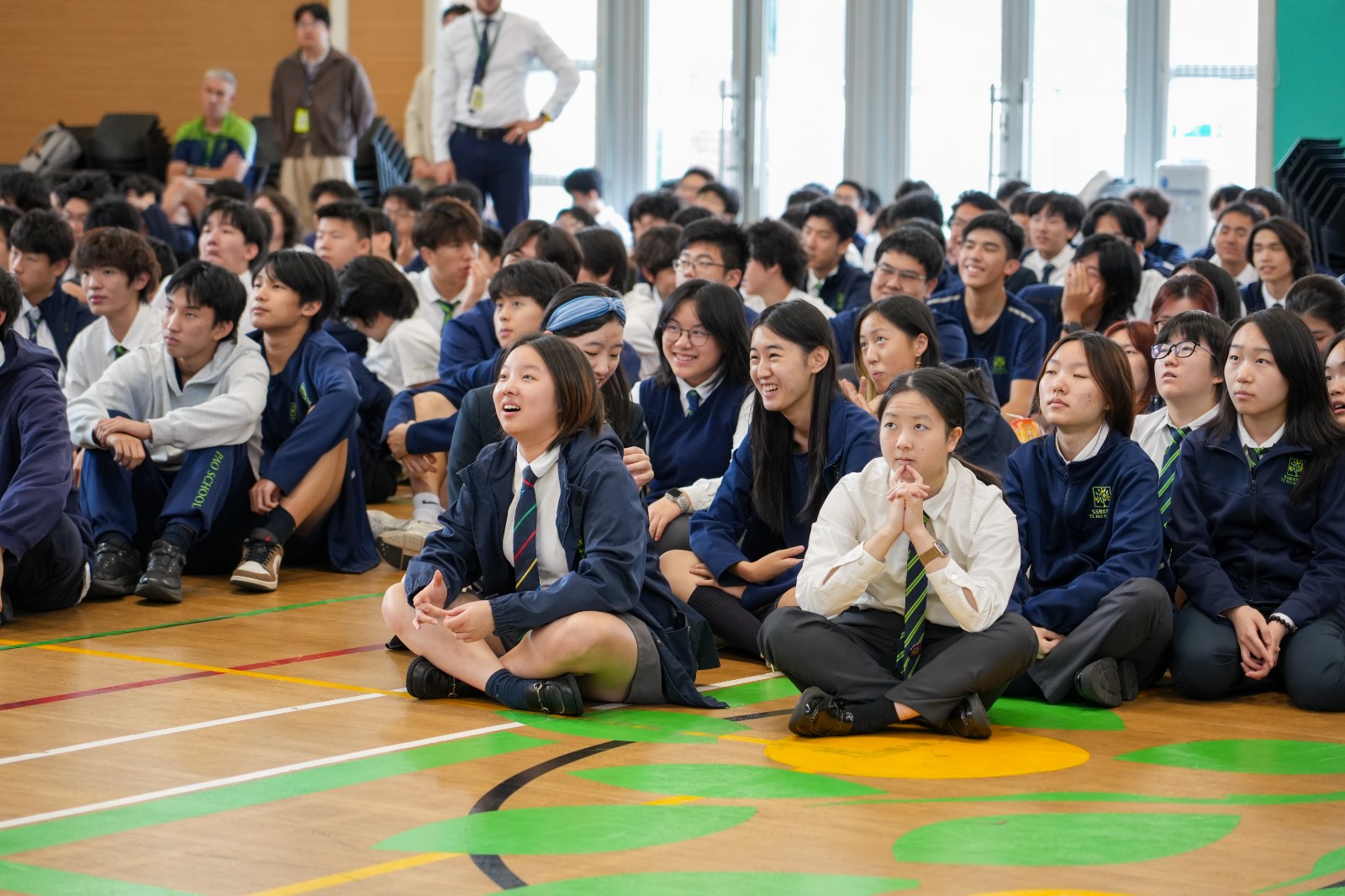
The High School English and Biology departments teamed up for Monster Madness in October. This knockout competition blends literature, mythology and life sciences through the school's 'In the Spotlight' programme. About 130 students and teachers took part, arguing for creatures drawn from global myth and fiction in a tournament that tested literary analysis, biological reasoning and tactical planning.
'In the Spotlight' is Pao School initiative that aims to promote inter-departmental collaboration, celebrate innovation, and strengthen professional practice. Each month it gives one or two departments a platform to exhibit teaching and learning through activities, exhibitions, newsletters, assemblies, and library collaborations. Monster Madness is one example of this.
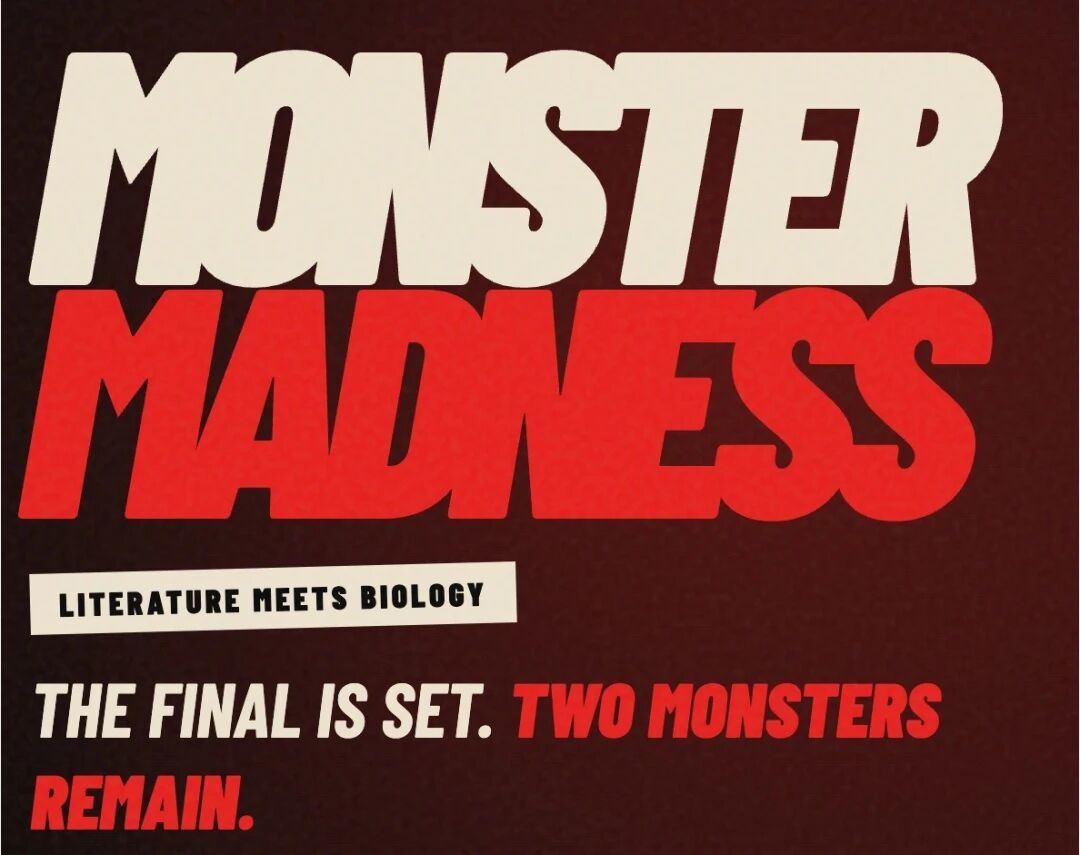
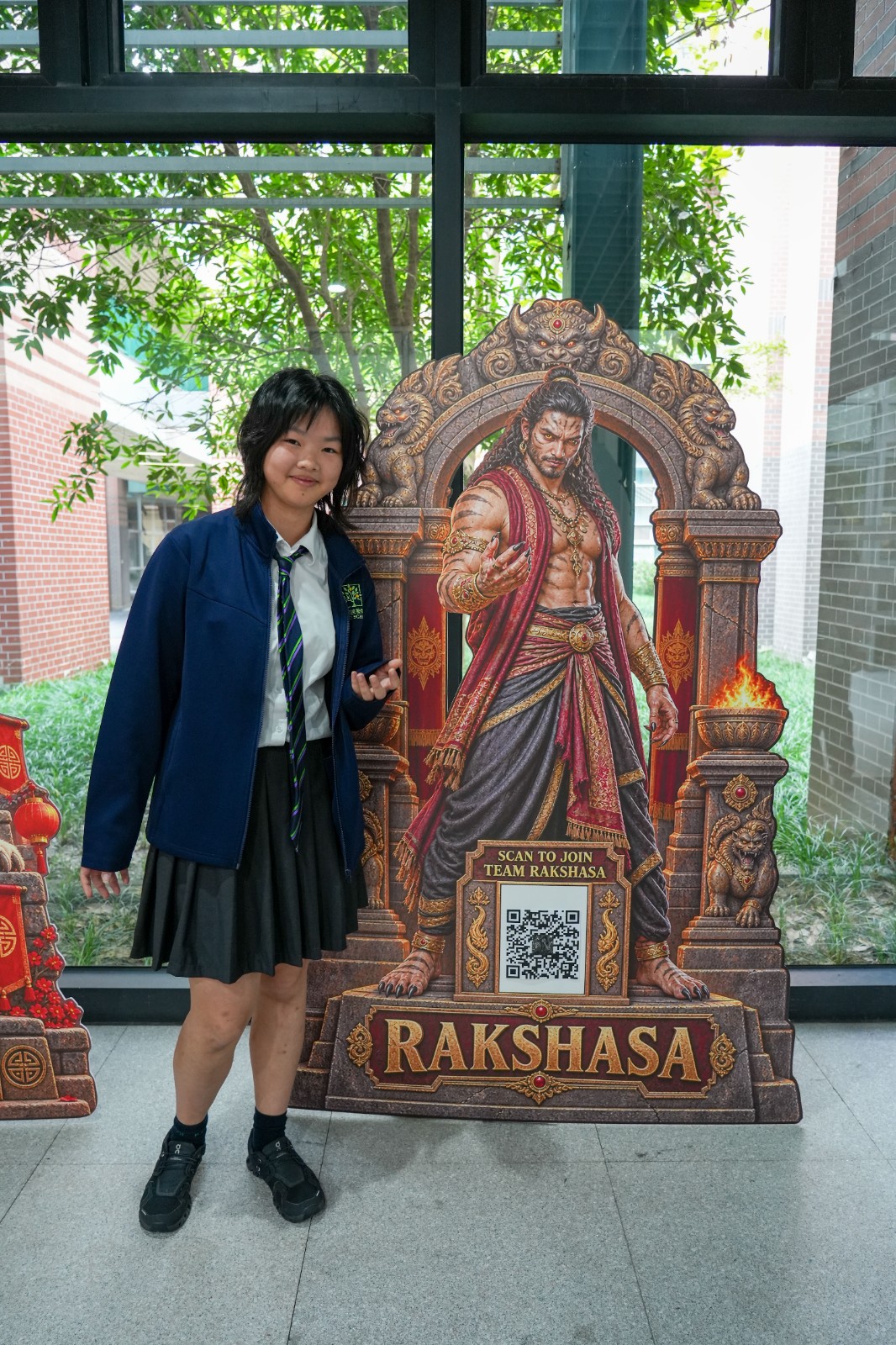
Eight creatures from global literature, myth and folklore faced off in the tournament: Dracula; Frankenstein's Monster; Grendel; Nian; Rakshasa; a Giant Squid; Chupacabra; and Tokoloshe. Before each matchup, teams submitted structured arguments explaining why their creature should win or why the opponent would lose.
Participants were asked to marshal evidence and strategies from both disciplines, including literary evidence from the original text, myth or folklore; biological reasoning grounded in anatomy, physiology, behaviour, biomechanics, ecology or adaptation; arena strategy that considered how their creature could exploit the environment; and opponent analysis identifying weaknesses or limitations to be targeted. That format pushed learners to apply critical thinking and debate skills while connecting imaginative storytelling to scientific principles.
Monsters Without Borders:
Legends from Every Continent
The eight featured monsters were selected from around the world to represent mythological and literary creatures from multiple cultures. Each is accompanied by legends that offer fascinating links to biology and can help teachers and students explore lesser-known beings such as the Tokoloshe and the Rakshasa.
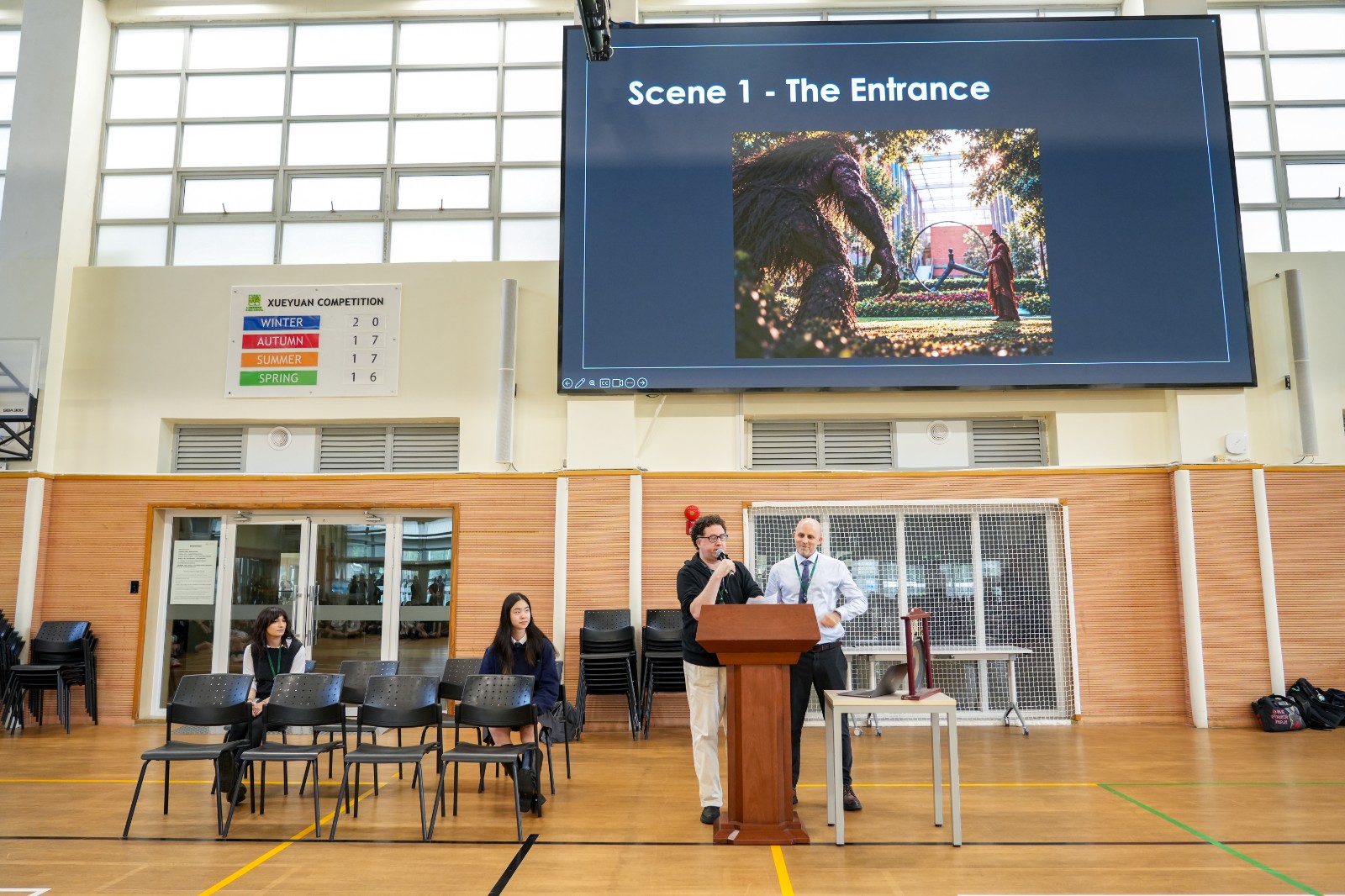
Frankenstein's Monster was among the first discussed, given its importance to the gothic novel and its clear biological resonances with concepts such as tissue and organ rejection that would make such a being impossible in reality.

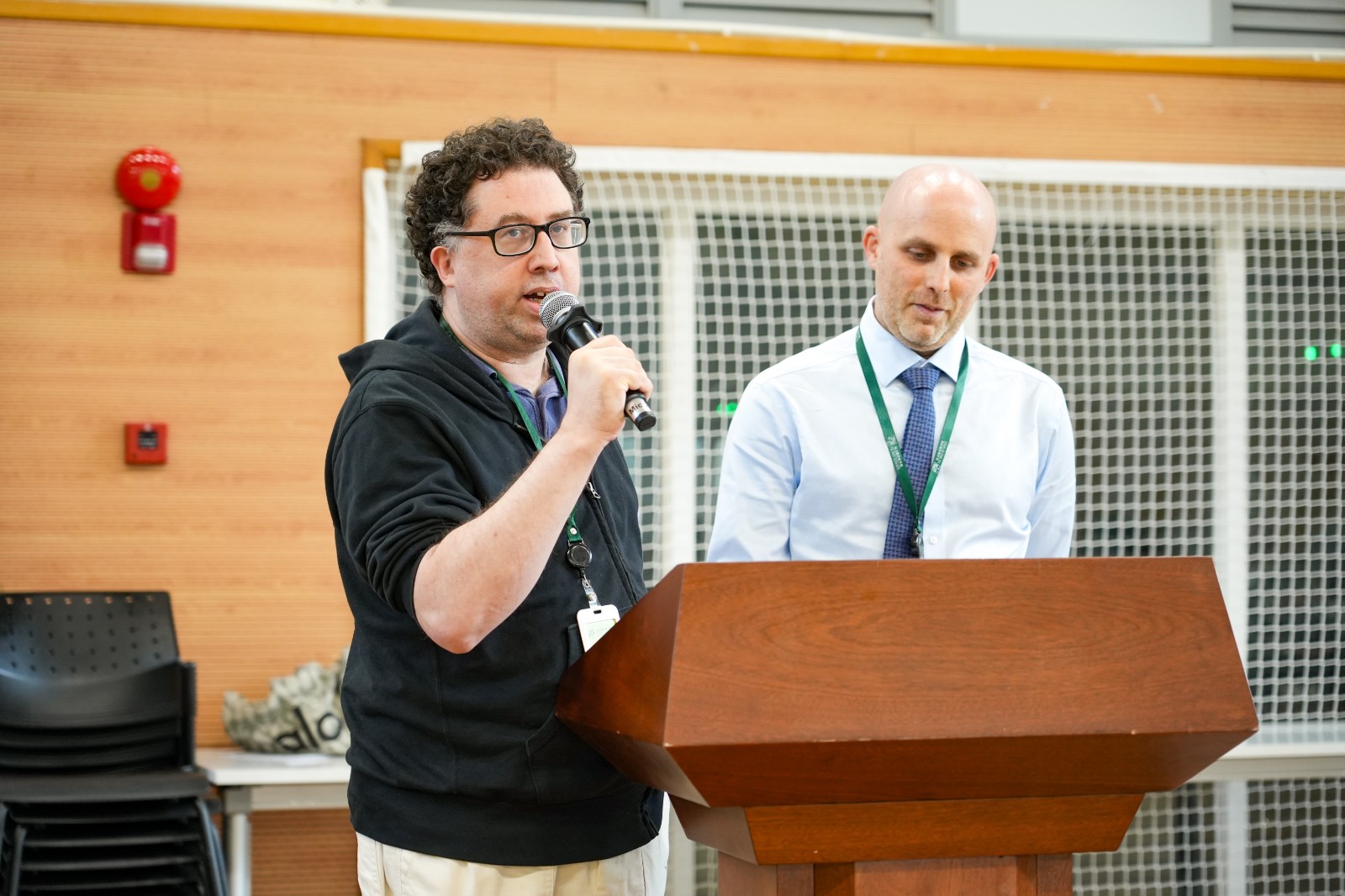
"We hope to encourage critical and strategic thinking while making the process engaging," explained Mr. Steven Varty, Head of Biology. "The focus is on the soft skills of critical thinking, strategy and debate. If students come away with an appreciation of cultural mythologies, that is even better.” Students were encouraged to apply existing knowledge, particularly in relation to relatively well-known creatures such as the Frankenstein Monster, Nian, and Dracula, while researching those they were less familiar with.
Where AI Meets Timeless Tales
Preparation combined human planning with artificial intelligence. Starting with ideas proposed by their teachers, the organising team used generative AI to brainstorm, plan, and create artworks for the competition. AI also facilitated the creation of a professional-looking website, adding an extra layer of interaction for students. The result has been a polished, accessible experience that complements classroom learning.
The school community's response has been overwhelmingly positive. More than 130 students and teachers formed teams, and participants across year groups presented excellent arguments. An AI tool scored anonymised entries against set criteria to identify top submissions, then teachers reviewed and confirmed the final selections. The AI provides a transparent, criteria‑based first pass, while teachers remain the final decision‑makers, ensuring fairness and accountability. This approach lets teachers scale careful evaluation without losing the human judgement at the centre of the process.
Best Biological Argument
Zoe Cui — Giant Squid vs Dracula
Argument: The most famous form of the giant squid is the Kraken, which originates specifically from Norwegian and Icelandic folklore. This species dwells in oceans 500-1000m deep and is adapted to conditions there. It does not directly attack its prey but uses the strategy of patience and ambush. Once the prey is within reach, it uses its two predating tentacles covered with suckers and hooks to latch onto them and prevent their escape. Its low energy diet also ensures long feeding intervals. As a result, in a battle with Dracula, while the opponent need to hunt for blood often, the giant squid can remain in battle condition for almost 200 days.
Moreover, the giant squid never appears on land, meaning that for the two monsters to combat each other, Dracula must enter an ocean arena unfamiliar to him, which gives geographical advantages to the squid. Another reason why the giant squid will definitely win is its massive size. Dracula's weapon is biting and draining blood, but the squid is way too large to target and attack. Even if it were, there would be no way dracula could drink its blood, because giant squids have haemocyanin based blood, instead of the haemoglobin based blood which Dracula normally feeds on. Last but not least, Dracula is widely known for his fear of sunlight and running water. The squid is unafraid of both. It even gets an immediate win because the ocean is running water!
Comments:
Zoe explored the giant squid's deep‑sea adaptations and oxygen transport, focusing on haemocyanin (a copper‑containing oxygen‑transport protein) rather than haemoglobin, and speculating how that might affect Dracula's ability to feed. She demonstrated sophisticated comparative physiology, applying biological concepts creatively to an unusual fictional encounter.
Best Literary Argument
Kelly Lu - Frankenstein's Monster vs Rakshasa:
Argument: Wounded by Nian, Frankenstein's Monster is not at its full strength. In an abandoned amusement park, the Rakshasa's illusions, shapeshifting, flight, and predatory cunning turn the maze-like rides and dark pathways into a hunting ground. It can ambush, disorient, and mimic threats while exploiting the Monster's injuries.
Rakshasa's winning strategy is through using its power of illusion. An illusion of Victor would paralyse the Monster with a mix of longing, despair, and fury. In the novel, the creature's defining plea "I ought to be thy Adam" reveals a desperate craving for his creator's acceptance, while his bitter cry, "Cursed, cursed creator!" exposes the rage simmering beneath that need. Seeing Victor's face would overwhelm the creature in a disabling moment. This gives the Rakshasa a free opening to take the creature down.
Comments:
Drawing on Mary Shelley's Frankenstein, Kelly argued that the Rakshasa could impersonate Victor Frankenstein, exploiting the creature's longing for recognition and his anger at his creator. The argument went beyond physical strength to identify a psychological vulnerability firmly rooted in the novel that could be combined with the Rakshasa's established ability to deceive.
In the Spotlight — Standout Arguments and Creative Thinking
"Rakshasa would first use illusion to draw Grendel's attention to the great sense of community spirit around Songjiang campus, hiding in its many concealed spaces (the basement, the storage area under the track stadium stands, Mr. Baillie's English classroom) and taunting Grendel with mysterious voices: "See how they show compassion for one another?", "See how happy they are to be loved and cared for by their friends, their teachers, their parents?"
- Mr Stephen Eddison
"Because the giant squid has ten 'arms,' while Dracula has only two, it is better armed. "
– Elizabeth Wang
As 'In the Spotlight' rolls out across all academic departments beginning September 2024, events like Monster Madness demonstrate the initiative's goals: breaking down departmental silos, encouraging teacher collaboration, and showcasing innovative pedagogy. Such cross‑curricular projects embody the school's commitment to imaginative teaching and show how interdisciplinary work broadens students' skills and curiosity while nurturing well‑rounded learners who can draw connections across traditional academic boundaries.
*Many thanks to Steven Varty (Head of the Biology Department) India Madisetti (Assistant Head of English) and Aaron Walker (Assistant Head of English) for putting together such an inspiring competition.