

In this issue of Education Corner, Nectar Wang, Director of Student Life (Lower Primary), introduces the Primary Campus's Social and Emotional Learning (SEL) practices, explaining how the school roots these skills in daily character education classes, helping children develop empathy, respect, and self-expression within a supportive and structured campus community.
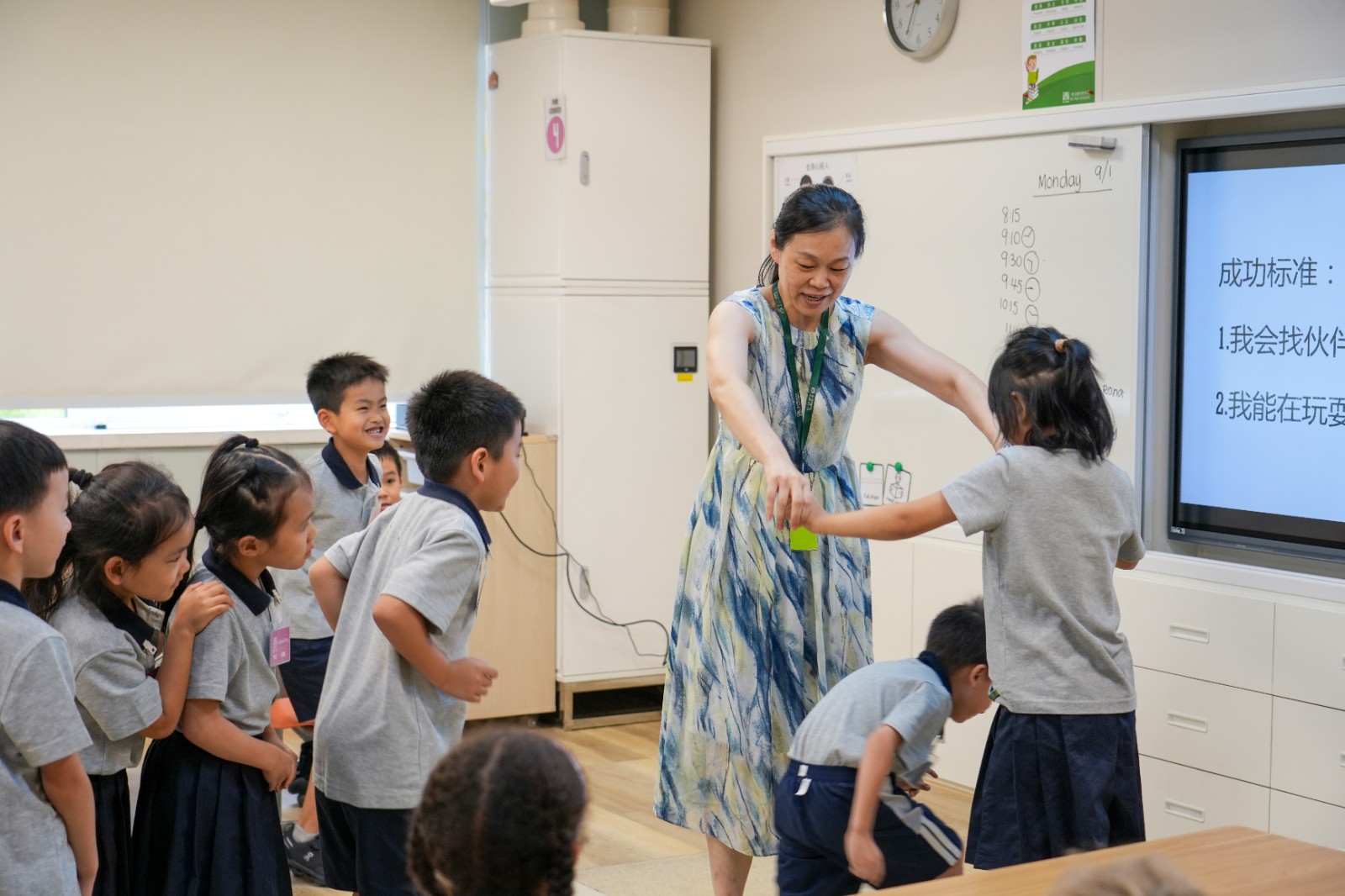
Guided by our holistic approach to education, Wuding Lower Primary has continued to provide regular Social and Emotional Learning (SEL) throughout the semester. Character Education, homeroom and Morality and the Rule of Law lessons work together to give children explicit, practical opportunities to develop the social, emotional and learning habits that underpin success at school and beyond.
Each class has four dedicated Character Education sessions each week, aligned with the aims of Morality and the Rule of Law and informed by Positive Discipline and Second Step. Learning is carefully sequenced around the developmental needs of young children: recognising and managing emotions, listening attentively, co-constructing class agreements and routines, collaborating with others and resolving conflict respectfully. In this way, social and emotional learning is not an add-on; it is made visible, practised regularly and reinforced across school life; within and beyond these dedicated character education lessons.
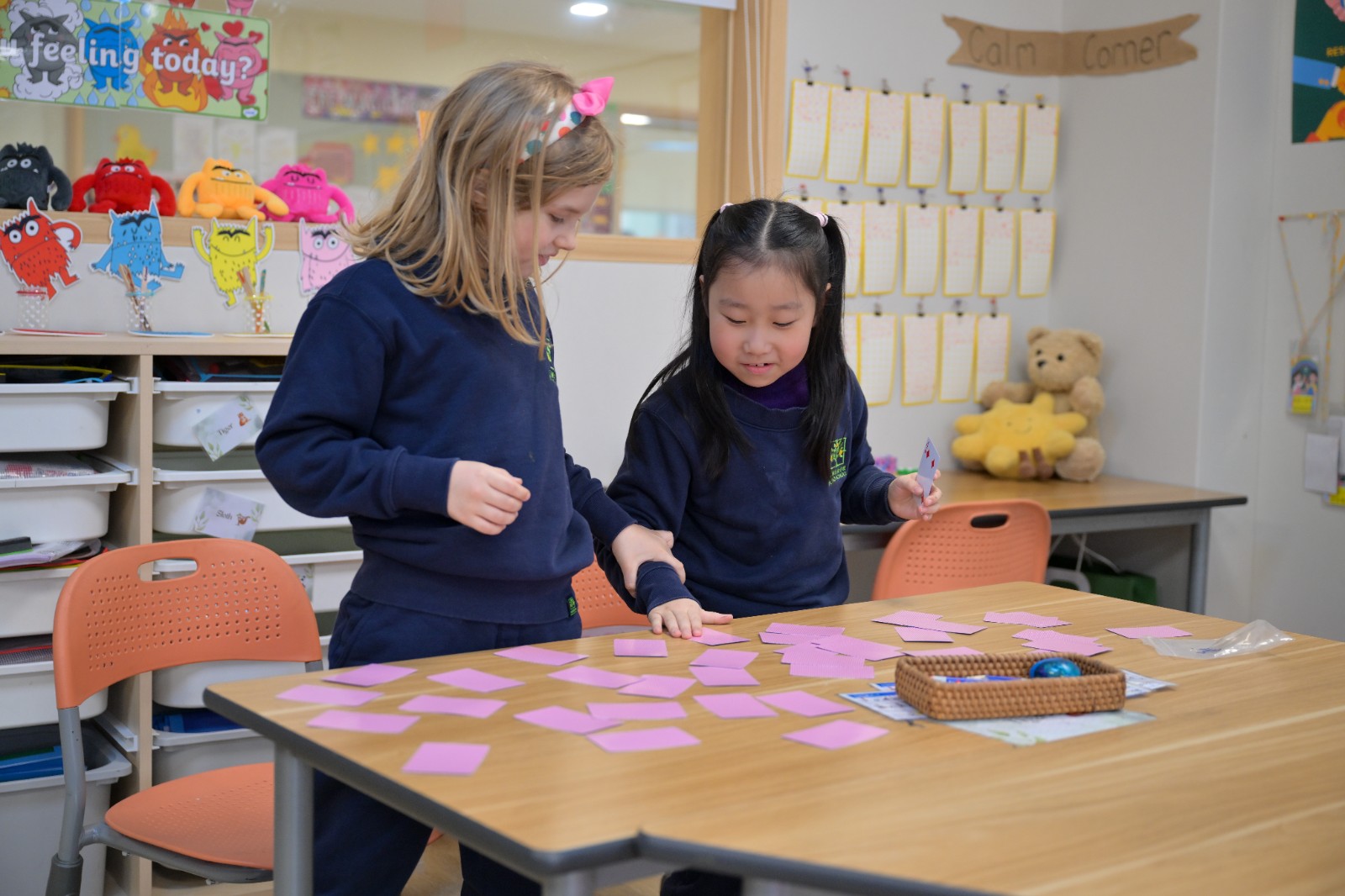
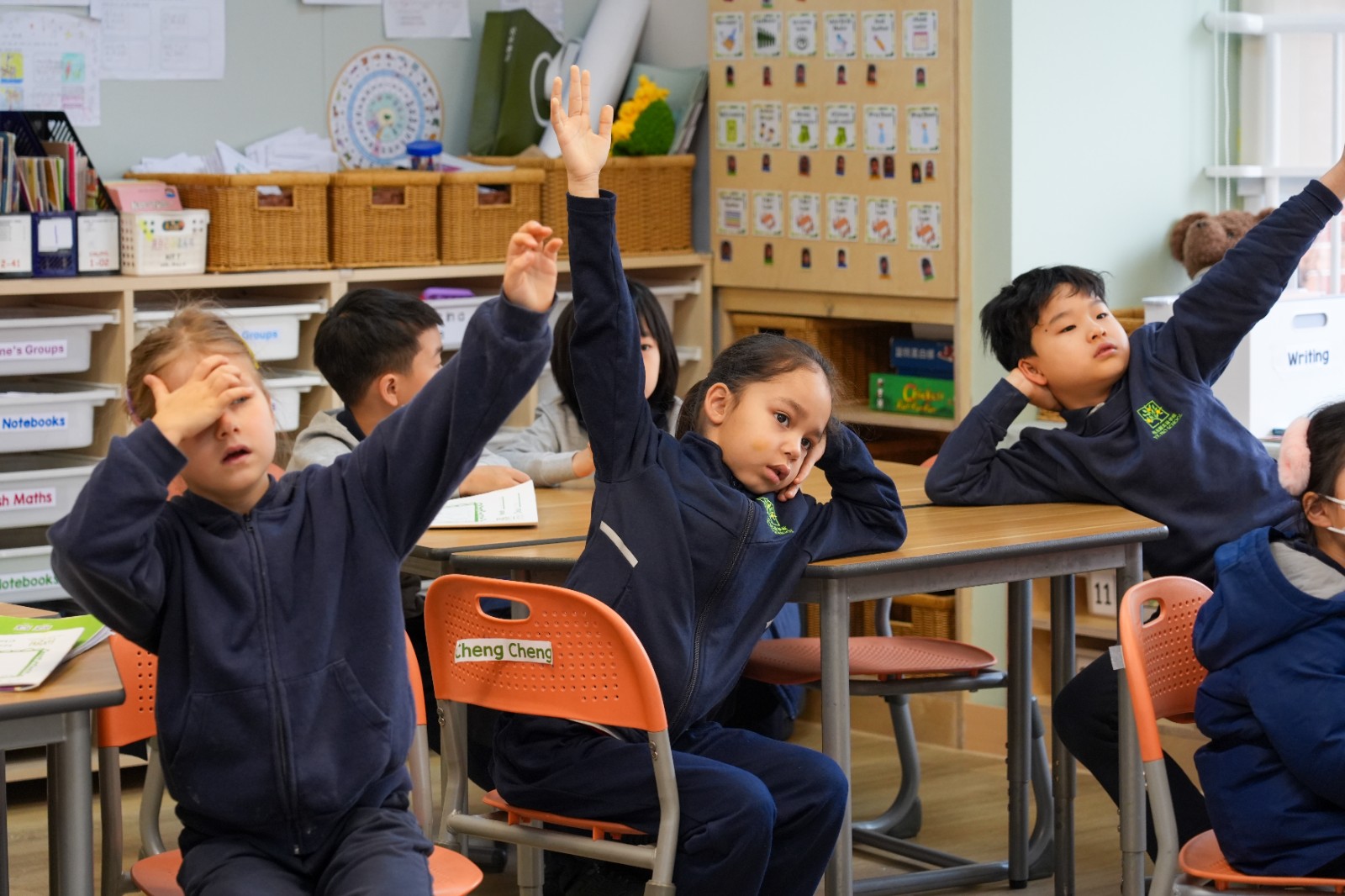
A particular focus in Lower Primary is developing the self-regulation and attention that enable children to learn with increasing independence. Students practise purposeful posture, visual attention and whole-body listening: eyes watching, ears listening, bodies calm and minds ready to think. These habits are explicitly taught in Character Education and then reinforced through assemblies and learning across subjects, giving children consistent expectations and repeated opportunities to practise them. All teachers model, encourage and reinforce students' social emotional and character development throughout the school day.
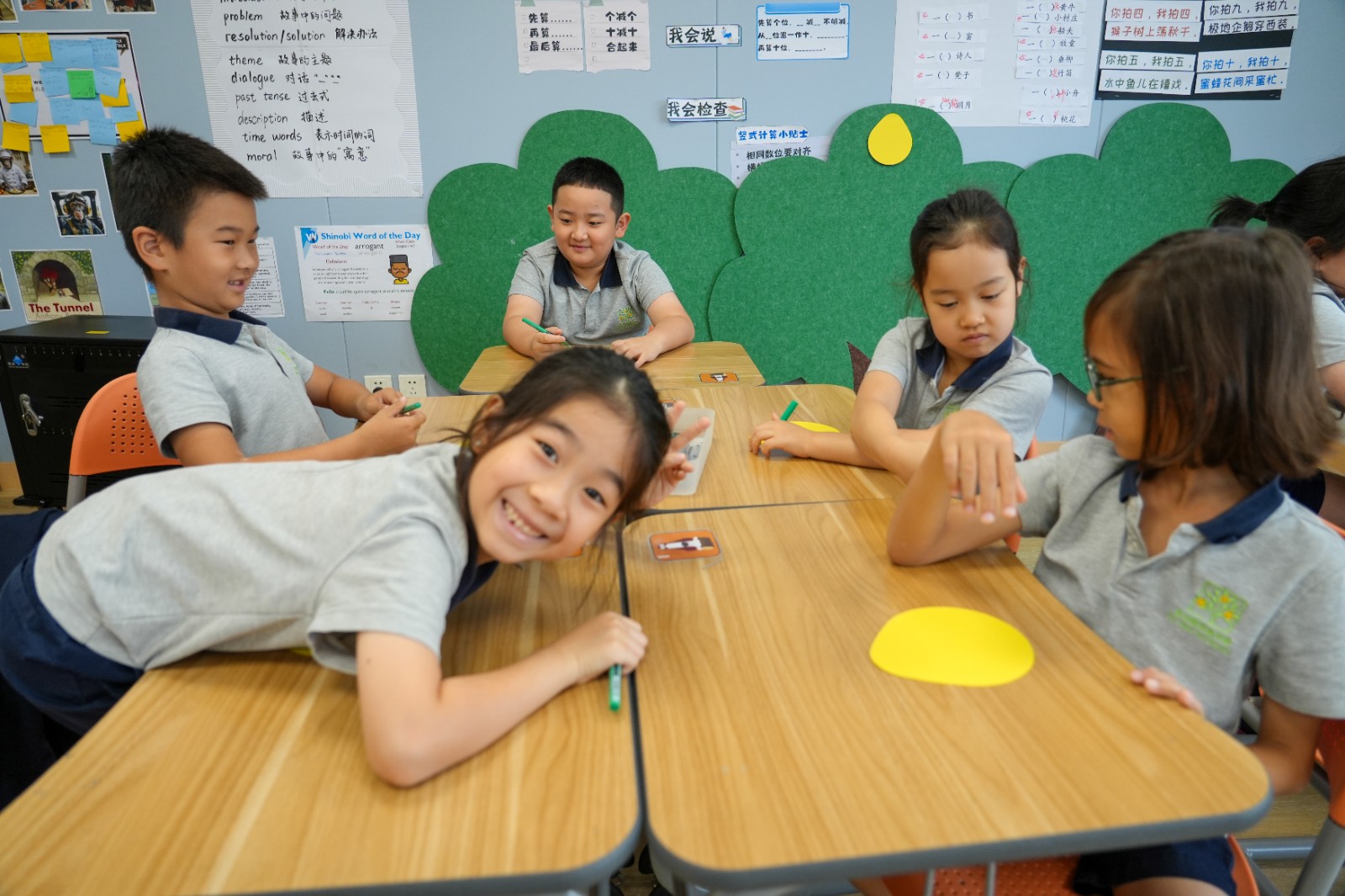
Our aim is both simple and ambitious: to create a calm, caring and purposeful learning community in which children feel a strong sense of belonging, understand what is expected of them and develop the confidence and skills to manage themselves, work well with others and contribute positively to their community.
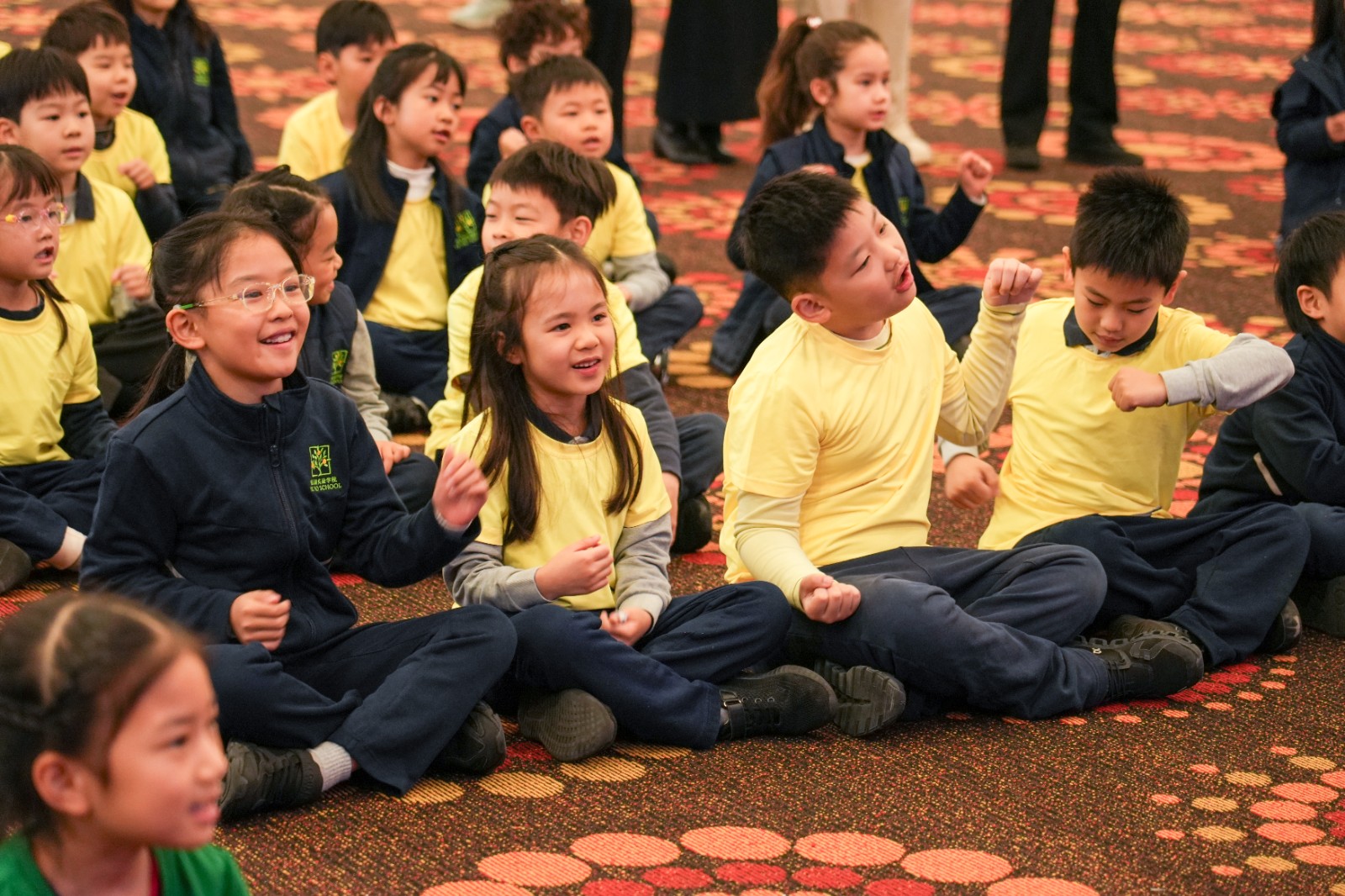
Recognising the developmental needs of young learners—including shorter attention spans, susceptibility to distraction and differing learning paces—Grades 1 and 2 classrooms use gathering rugs as an intentional part of organising space for learning. This flexible arrangement enables students to sit together in close proximity to the teacher; supporting positive relationships, clear communication and active engagement. Teachers carefully monitor the length of whole-group, rug-based learning, typically limiting it to approximately 10 minutes before students transition to another mode of learning. After rug-based learning students return to their seats to engage in purposeful collaboration or independent tasks. These planned transitions provide ways for students to sustain curiosity and remain intellectually engaged across different stages of their lesson.
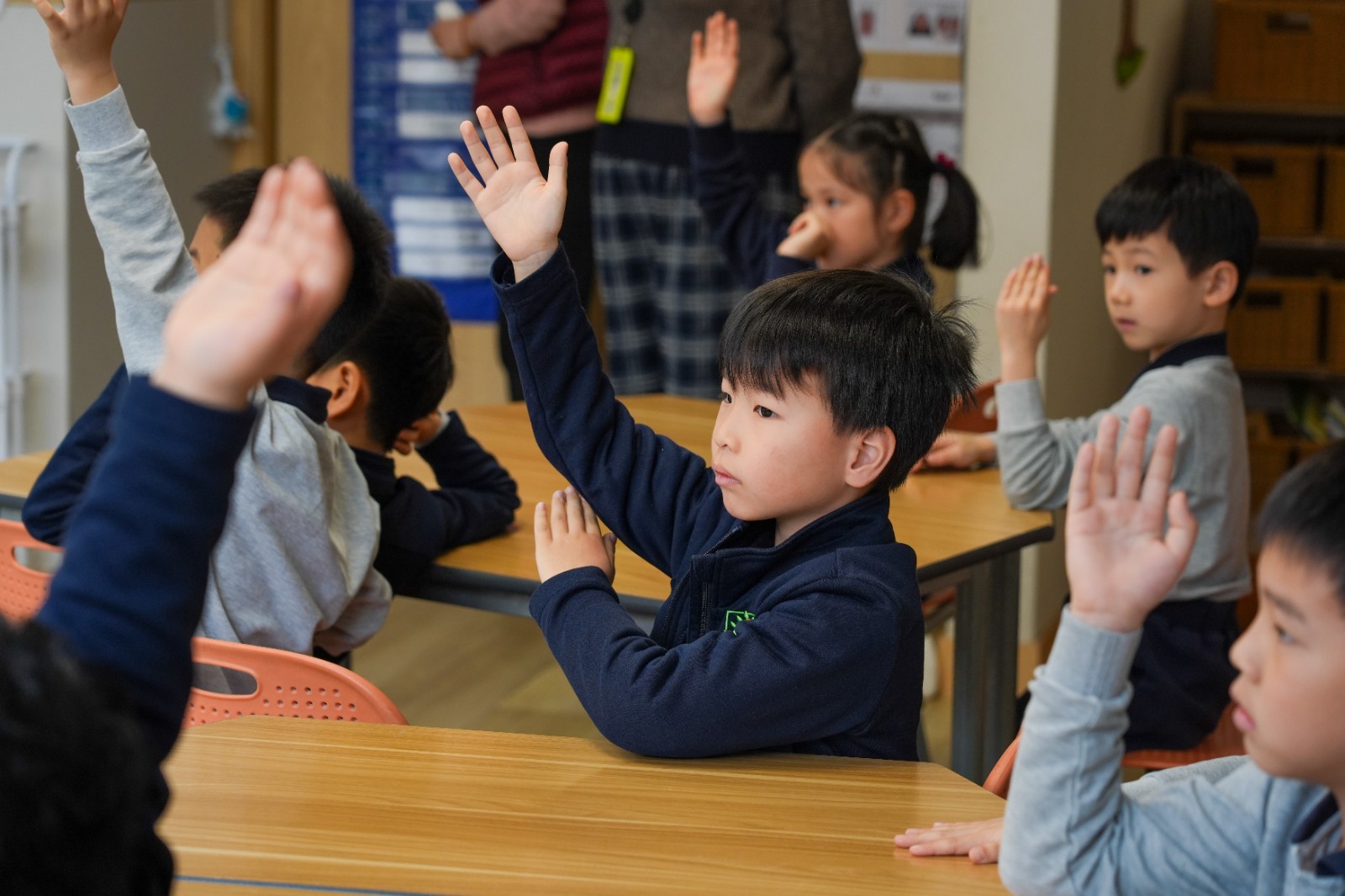
In addition, during the first four weeks of the Exploratory Curriculum (EU), students receive explicit additional support in developing focus, self-regulation and effective learning habits. Learning through this initial EU unit complements character lessons and reinforce the habits that enable students to participate with increasing independence and responsibly in the learning community.
To guide social and emotional learning in lower primary, we adopt the Second Step SEL curriculum framework. Children reflect on real situations they encounter at school: how to join a group politely, how to express ideas respectfully, how to respond calmly when being turned down by peers, how to settle minor disagreements, and how to respect others and set social boundaries. Children are guided to tell the difference between "big problems" and "small problems": seek help from teachers for big problems, and try to solve small conflicts independently. I-Messages are used to help students recognise their emotions, express feelings rationally, reflect on situation and find ways to adjust. Understanding of 'Flip the Lid', children practise emotional awareness and develop personalised calming strategies. Through "Bugs and Wishes", students share what troubles them and voice their hopes and requests. Children practise appreciation: to notice kindness around them and be grateful. When kindness is noticed and recognised, children develop a stronger sense of belonging to the class. "Safe Bubbles" and "Hands-off Play" help children set clear physical boundaries during play, so they can interact with peers comfortably and safely. Weekly homeroom activities adopt scenario role-plays, class discussions, case studies and positive modelling to help students build healthy, confident and gentle interaction patterns.
By this time of the year, students have now learned a great deal of social and emotional skills. Our next focus is supporting them to put these skills reliably into practice. Repeated practice in daily school settings helps children learn empathy, respect, express themselves bravely and cooperate well.
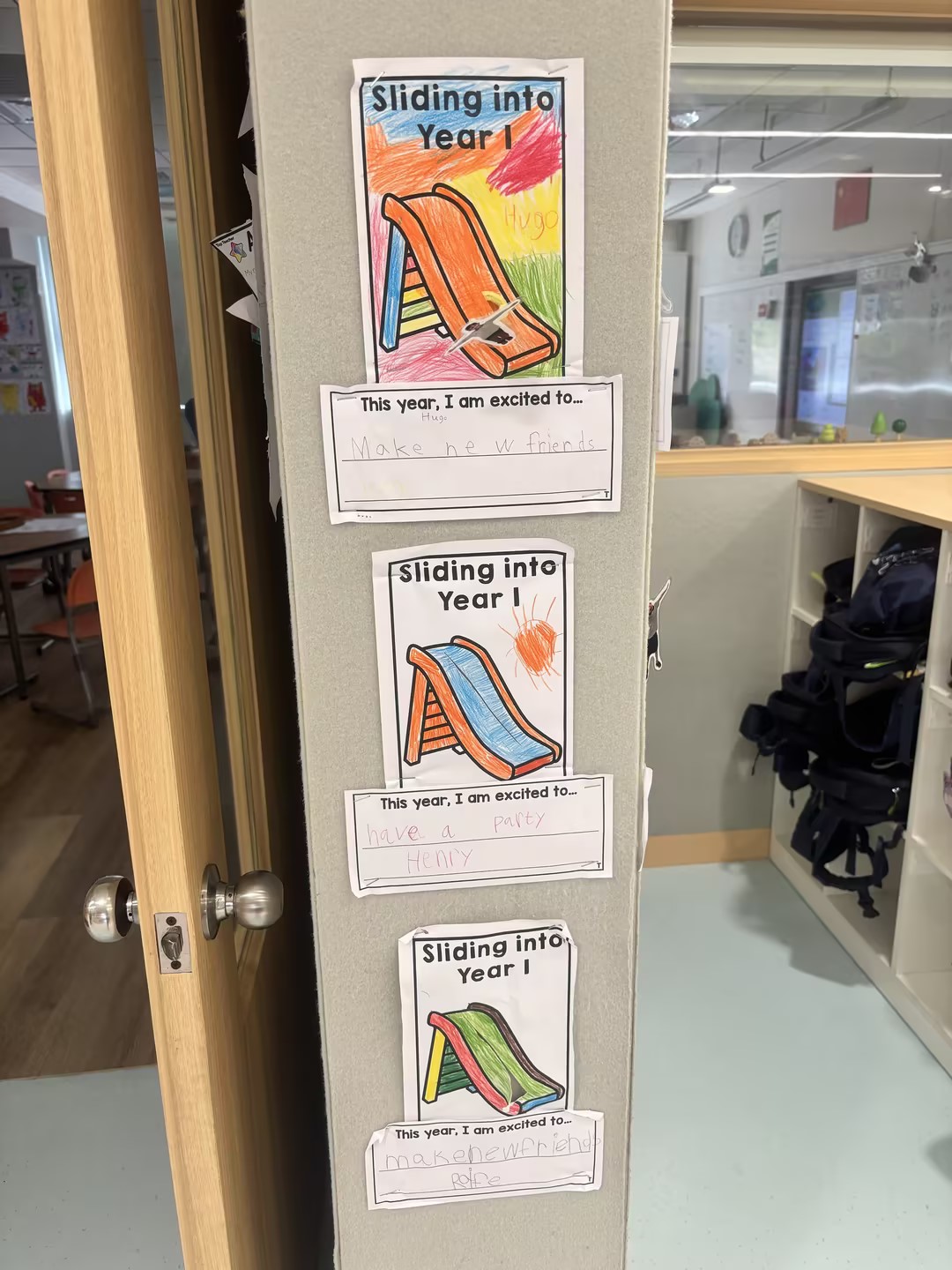
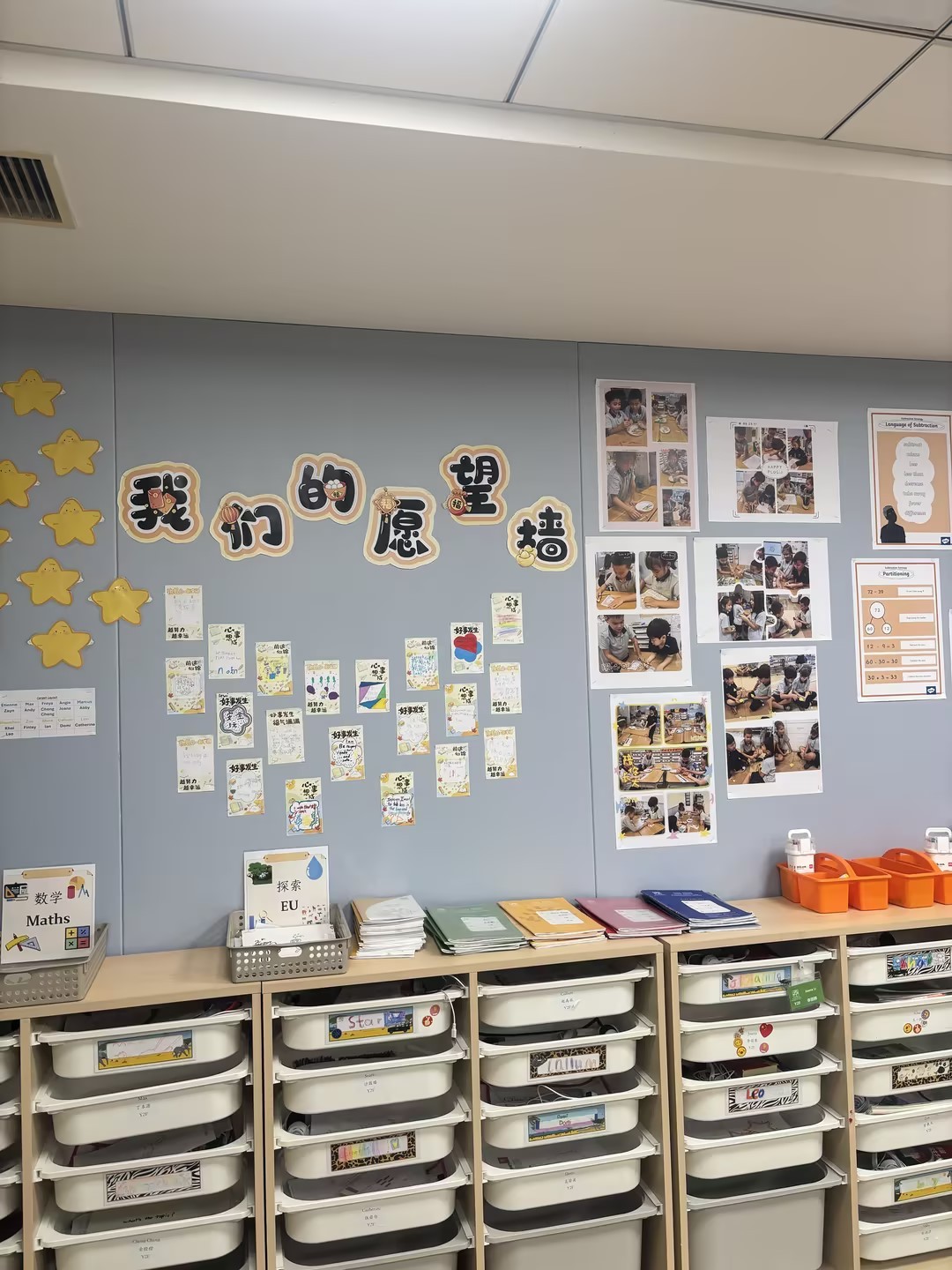
We also regularly share SEL skills taught at school with families. We invite parents to practise these skills with children at home. Home-school partnership helps children build stable learning and behavioural routines.
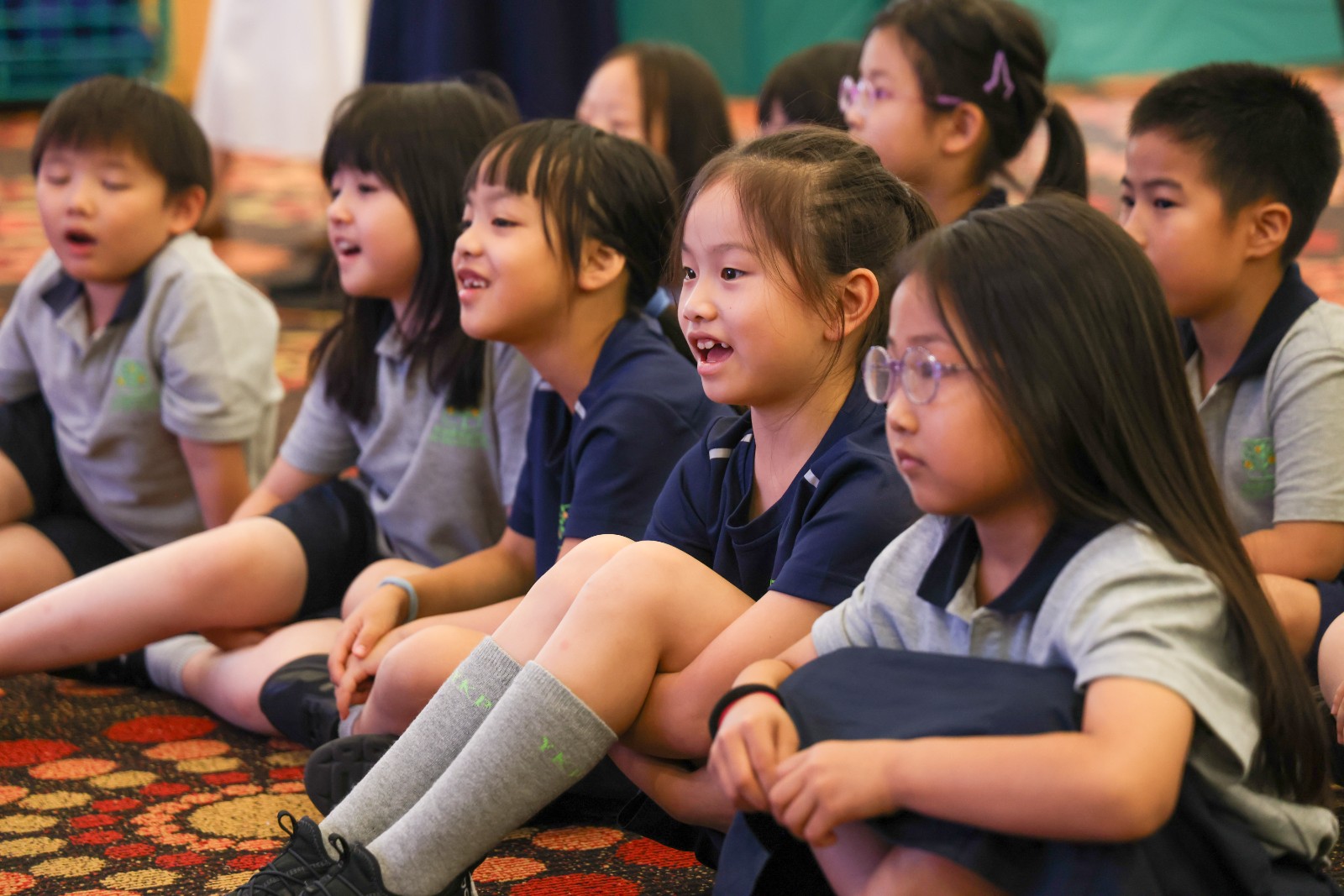
Education is a long-term journey: its deepest impact is often subtle, taking shape through the steady, consistent and nurturing experiences children encounter each day. The principles of the Second Step SEL programme remind us that meaningful growth is built through responsive classroom practice, strong relationships, purposeful routines and a deep knowledge of each child.
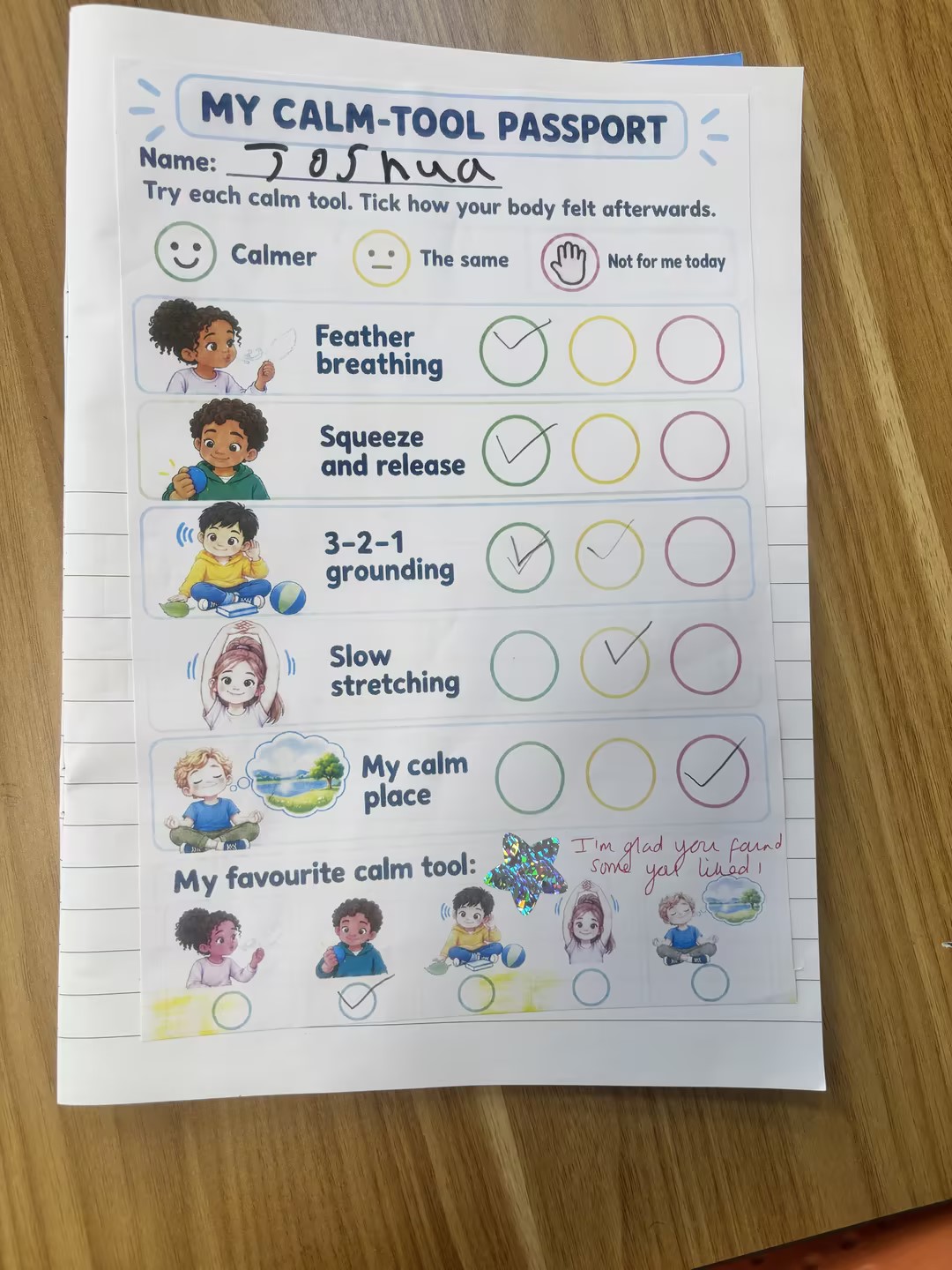
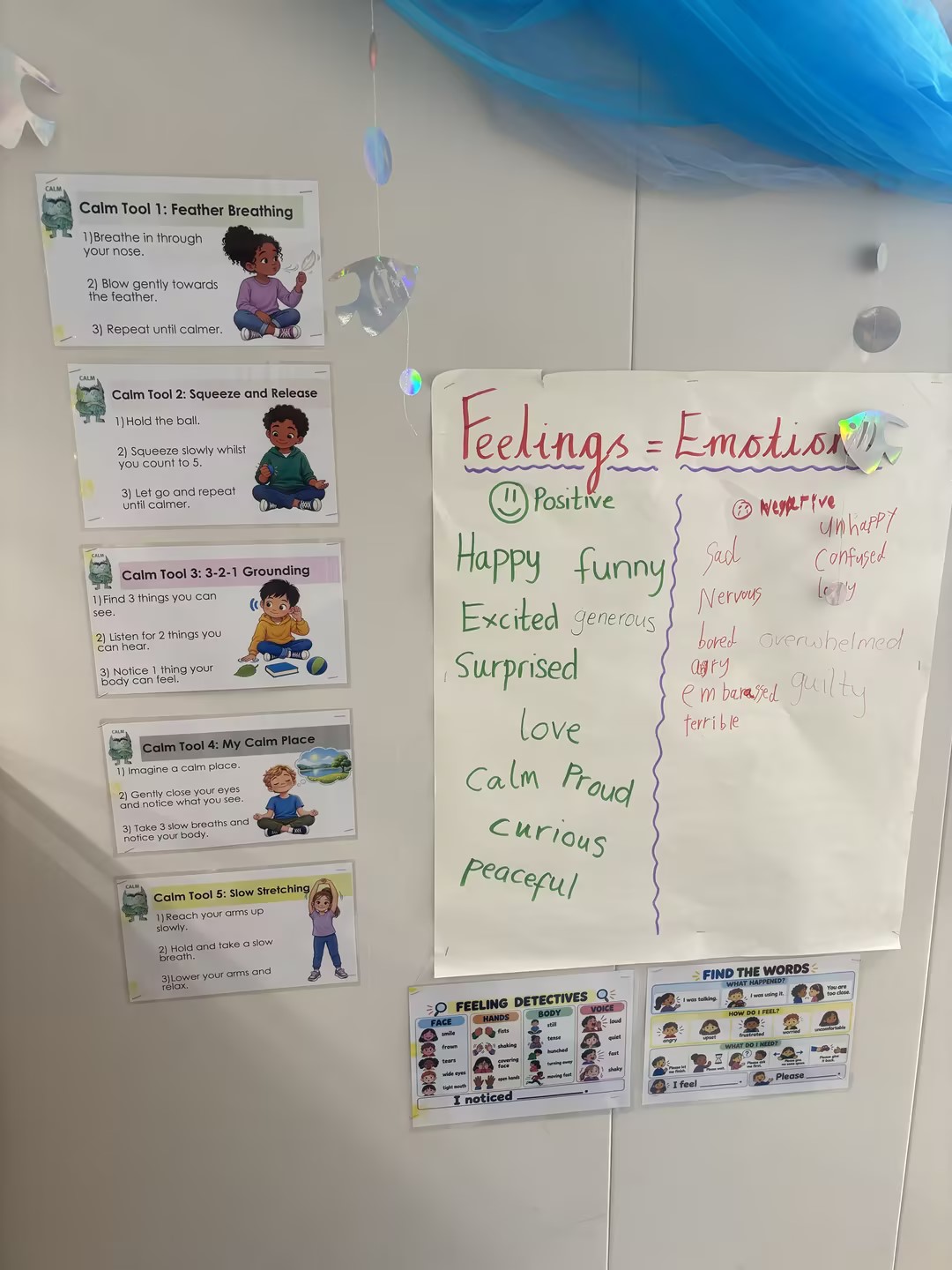
Moving forward, we will continue to intentionally nurture students' ability to self manage, communicate, think, research and collaborate alongside their capacity to learn subject based skills and knowledge. Through small, consistent actions each day, we hope every child can take root steadily, grow calmly, and thrive in our warm, orderly and positive school community.
*This article was authored by Nectar Wang, Director of Lower Primary