

Thoughtfully designed professional development (PD) can be a catalyst for meaningful change—especially when it brings in external voices that both affirm good practice and challenge entrenched assumptions. On December 5, YK Pao School hosted a PD day that aimed to do precisely this: inspire, interrogate mental models, and spark concrete thoughts relevant to curriculum development and the strategic shifts ahead.
Primary School Campus
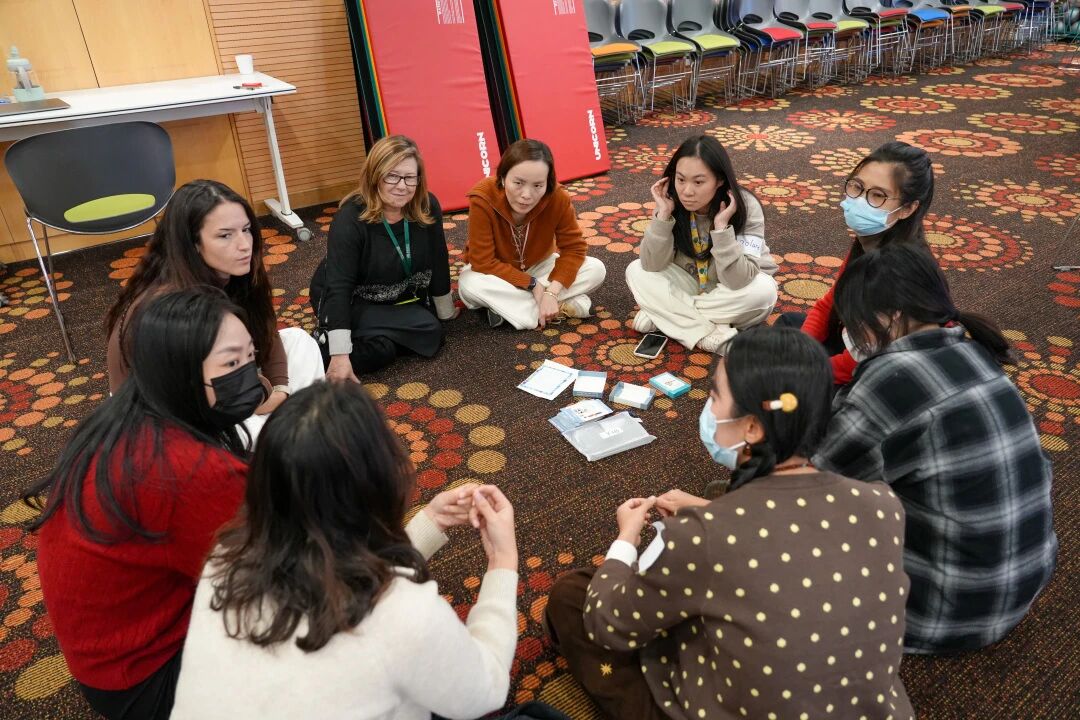
Primary School Campus invited international education expert, author, and licensed psychotherapist Deborah Owen‑Sohocki to lead a three-day program on Positive Discipline. On the first day, 40 parents attended a full-day Parenting through Positive Discipline workshop. The workshop introduced several core principles: discipline is a form of teaching, behaviour is communication, and supportive structure promotes lasting learning. Throughout the day, ideas were exchanged and strategies explored, such as pausing before reacting, using simple respectful reminders, validating feelings, involving children in problem‑solving, and modelling exemplary behaviour.
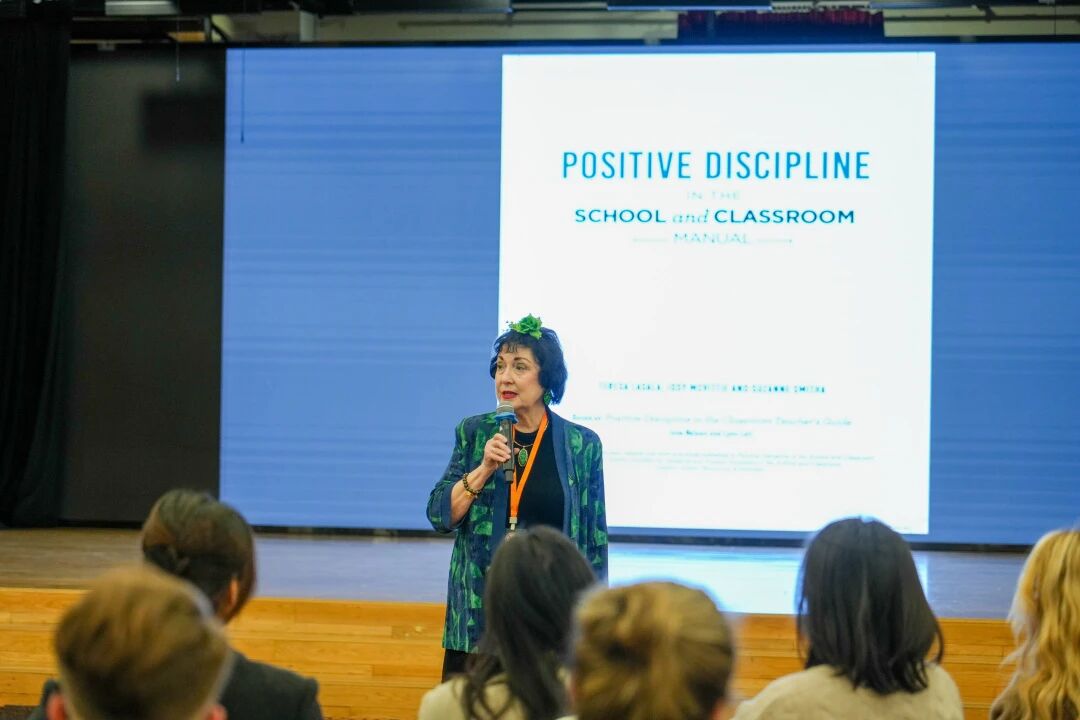
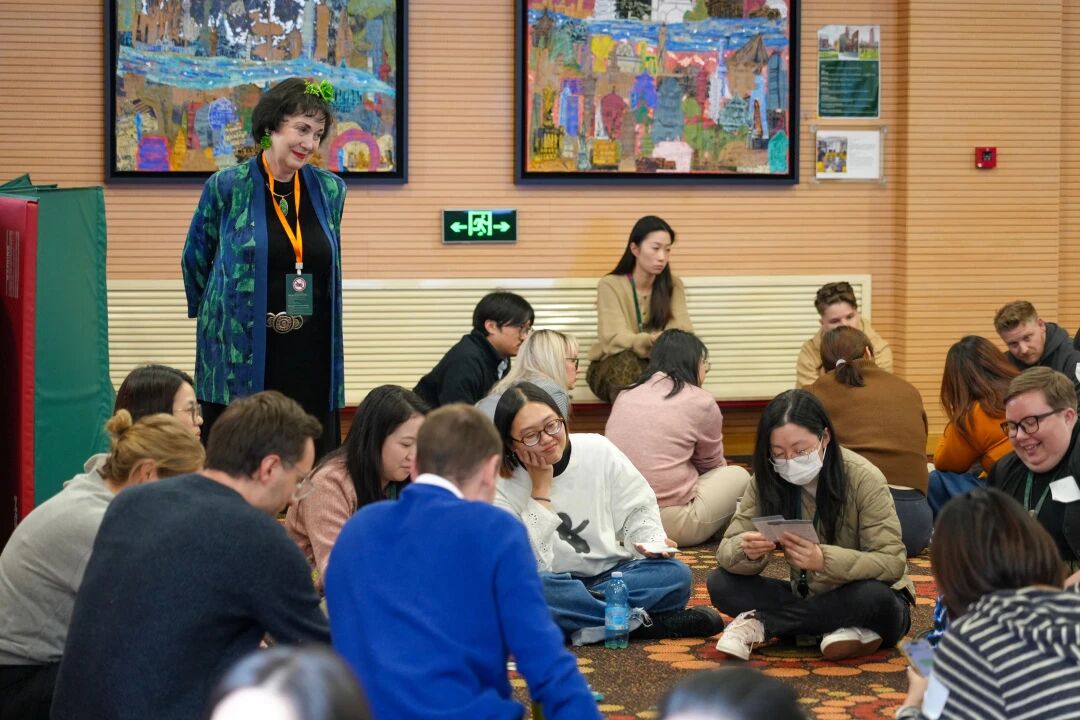
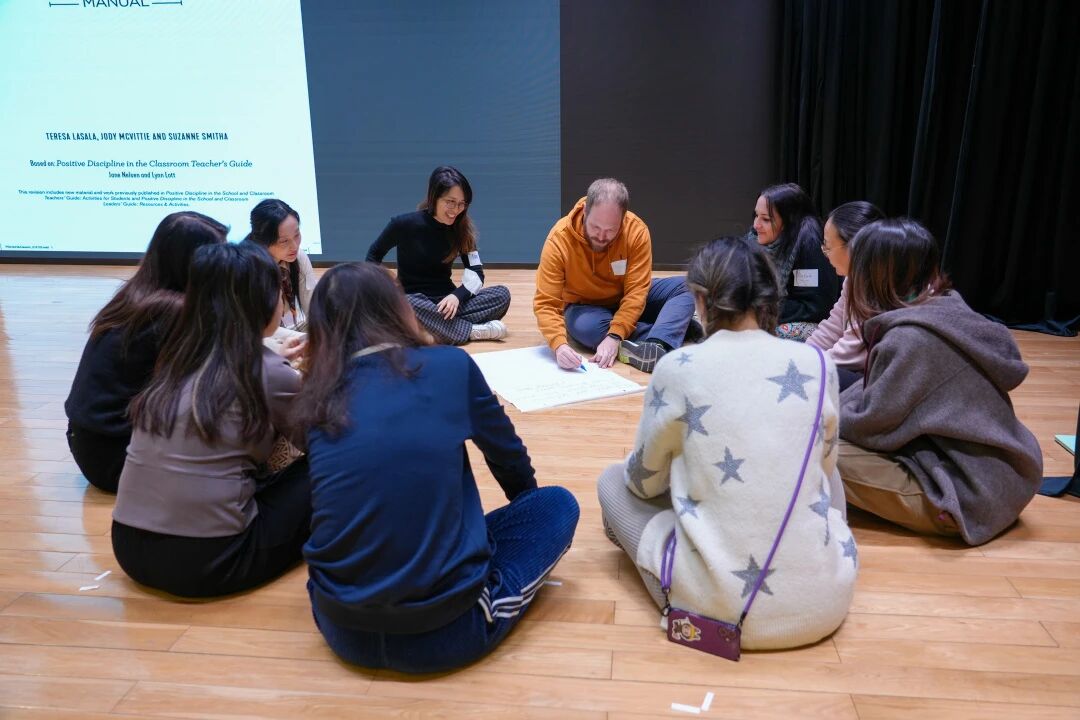
On the following day, Ms. Owen‑Sohocki observed the class meetings across different year groups, and discussed practical approaches for improving the quality of class meetings. In the full-day Parenting through Positive Discipline workshop that followed, the training focused on how to further create a warm, caring, and supportive learning environment for students. The three day program is a continuation of primary school's PD training on the topic.
Middle School Campus
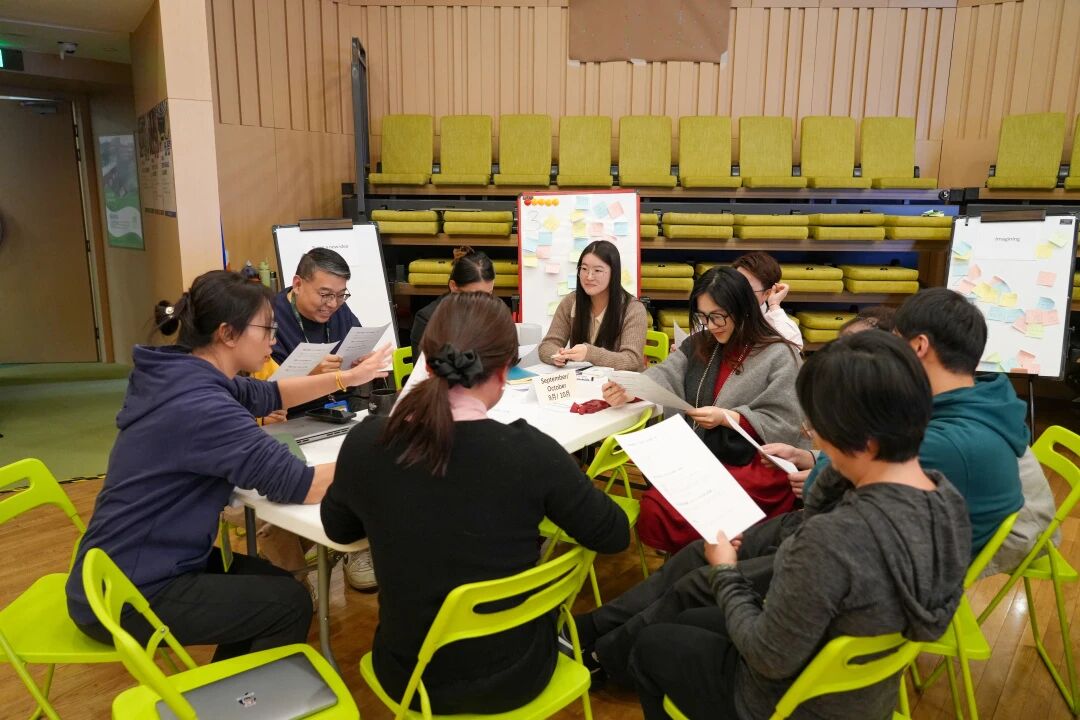
Middle School Campus completed two initiatives that are central to student development and the school's progress: the Parent–Teacher–Student Conferences (PTSC) and a whole-staff Professional Development Day. The PTSCs provided a clearer picture of student learning status and supported their self-reflection. The PD Day allowed teachers to step away from daily routines and re-engage as learners, reflecting on how to meet students' needs with greater professionalism.
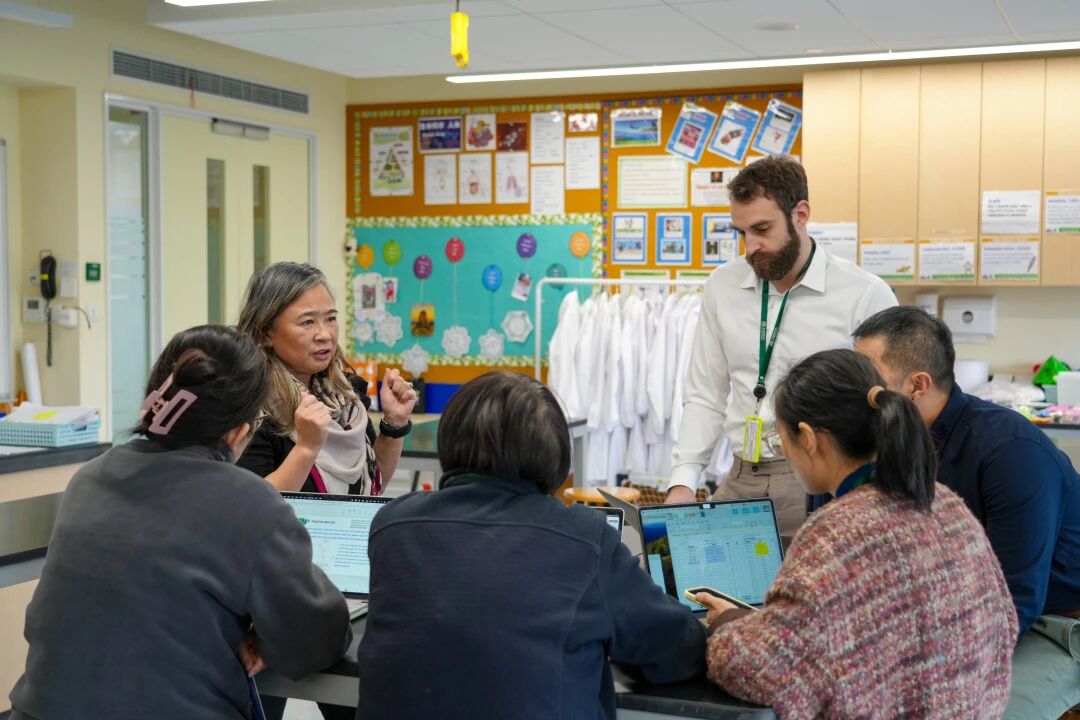
Friday offered teachers another opportunity to step back from classroom routines. Morning sessions for teachers explored themes such as 'Learning to Reflect,'' Reflecting to Learn,' and the 'No-Opt-Out Classroom,' focusing on the core challenges of classroom learning: how students engage, how they see their roles as learners, and how teachers guide them in developing responsibility and participation. The sessions included practical strategies for Adaptive Teaching to address the students' diverse needs.
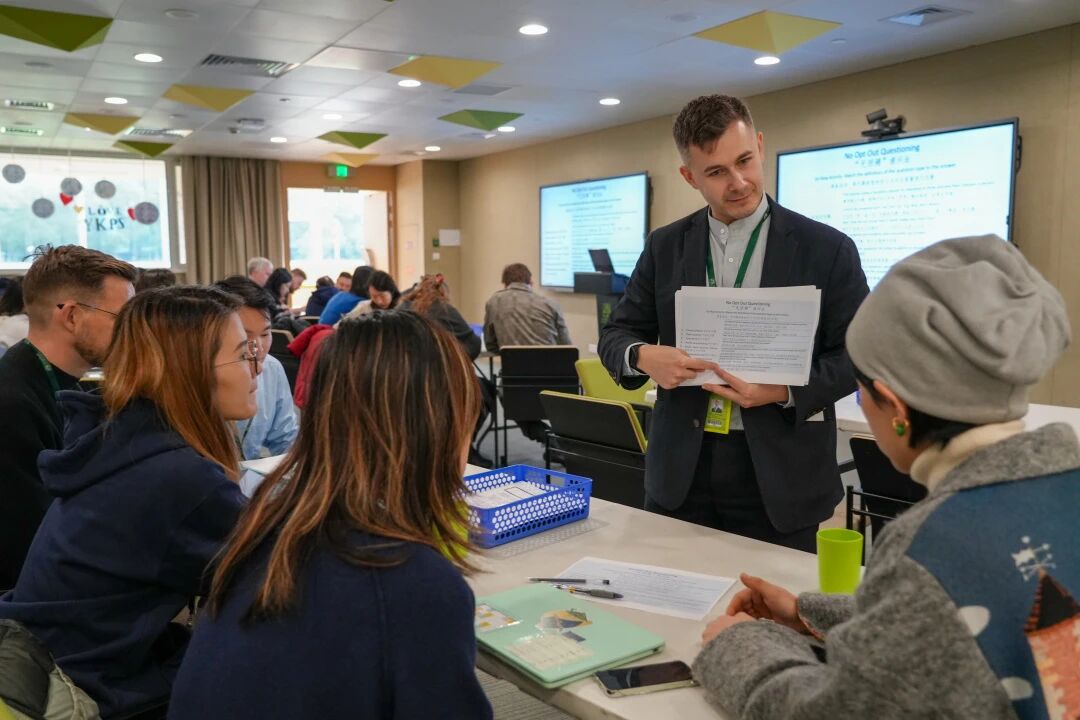
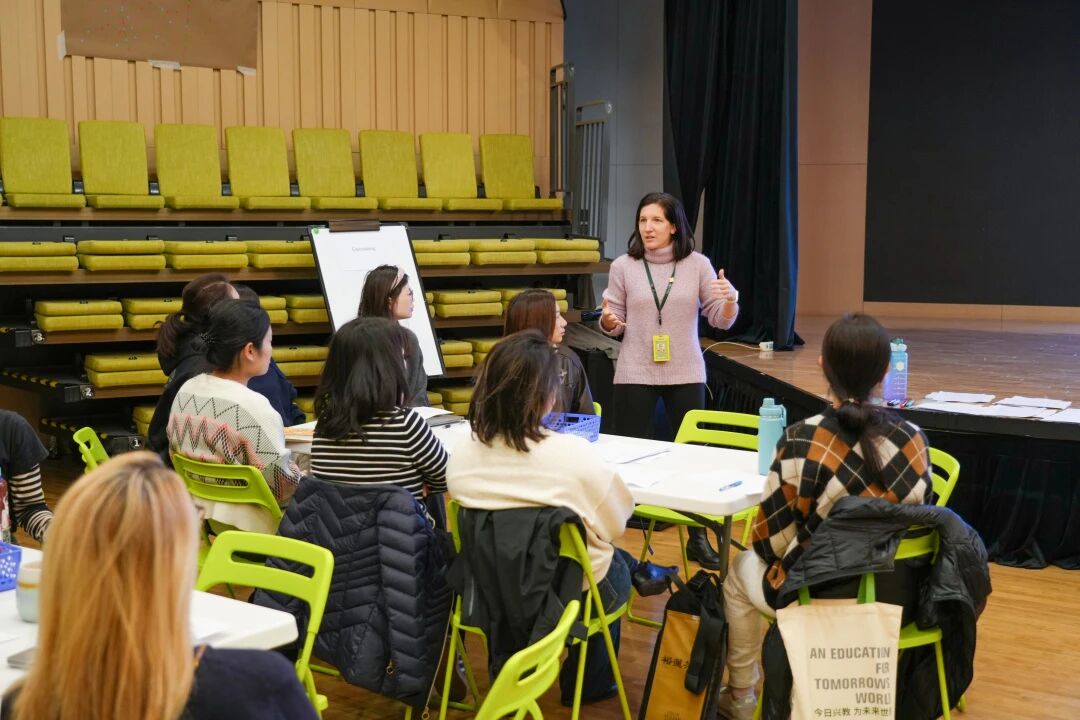
In the afternoon, Heads of Department worked on translating these ideas into classroom practice through standards-based grading and department-level alignment for curriculum goals, standards, and classroom implementation. The admin team also received training in Positive Behaviour Intervention and Support (PBIS), visitor management, and other operational areas for campus safety and culture.
High School Campus
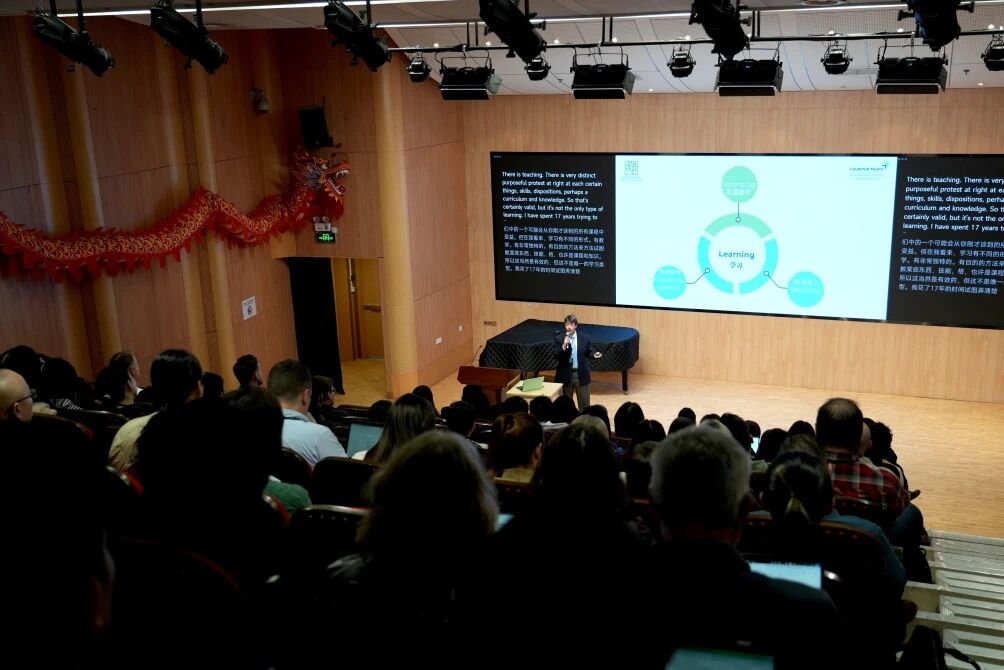
The High School campus invited international consultant Laurence Myers to facilitate the day. Crucially, his approach combined a compelling vision for the future of schooling with an educator's sensitivity to classroom realities. His keynote addresses—framed around hope and horizons—asked faculty to look beyond incremental improvement and consider how the curriculum could equip students for complex, evolving futures. Rather than offering a prescriptive blueprint, these sessions invited teachers to examine purpose, relevance, and coherence across learning experiences.
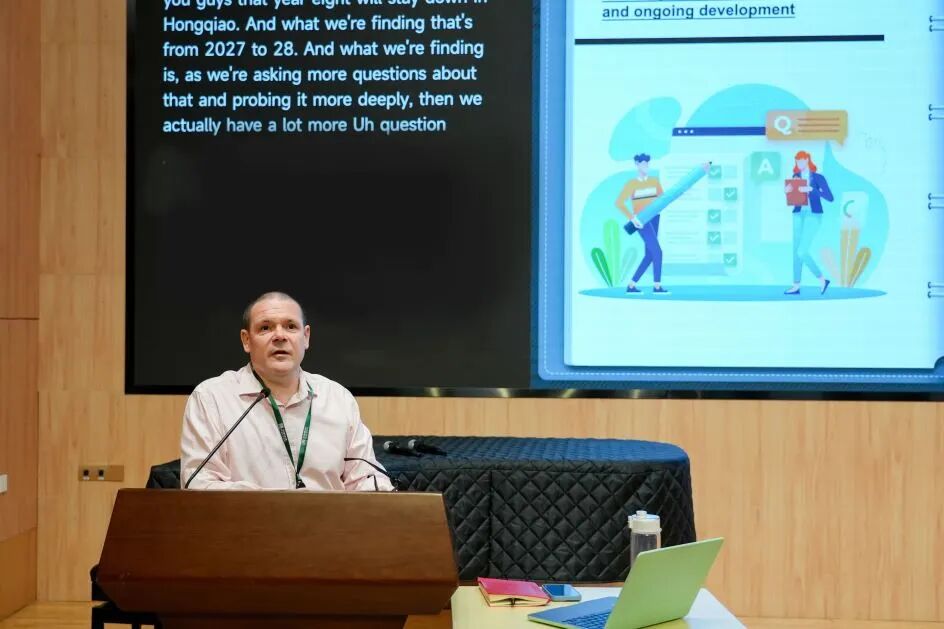
The programme then moved from vision to practice. Workshops on Systems Thinking and Project-Based Learning (PBL) focused on practical tools for designing complex, authentic learning. Systems Thinking gave teachers a shared language to spot patterns, understand interdependencies, and align the curriculum to prevent fragmentation. PBL sessions showed how to design rigorous, relevant learning that integrates knowledge and skills, connects subjects, and leads to high-quality student work. Throughout, structured reflection helped teachers bring assumptions to the surface, test ideas, and turn concepts into practical design choices: what stays, what needs tweaking, what goes.
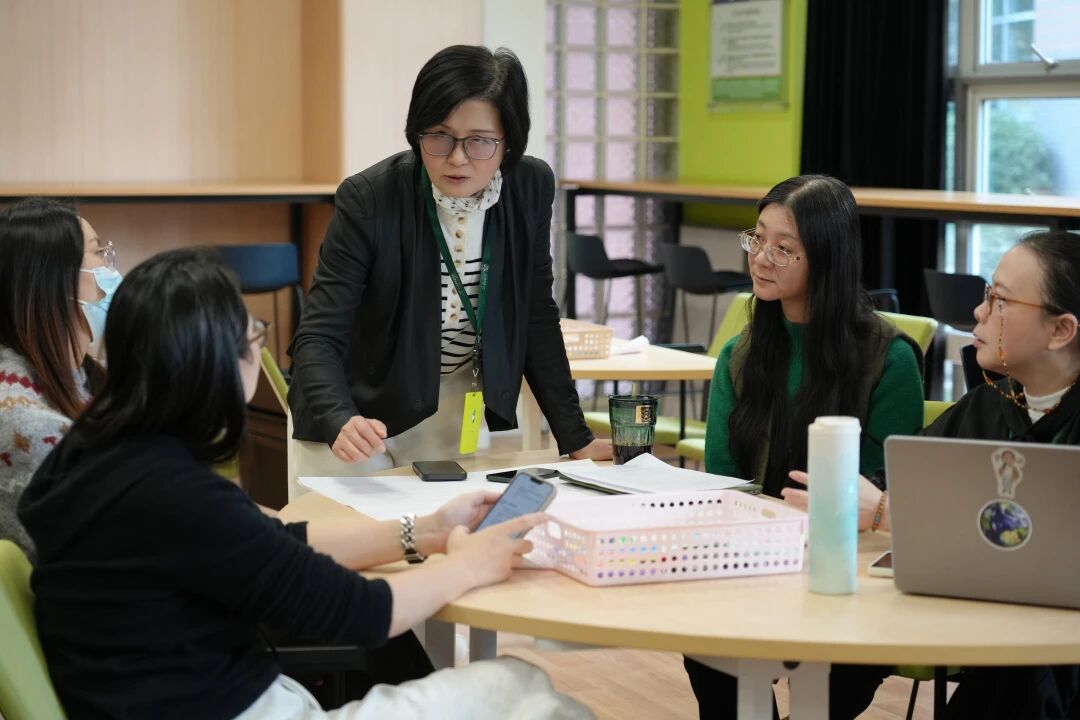
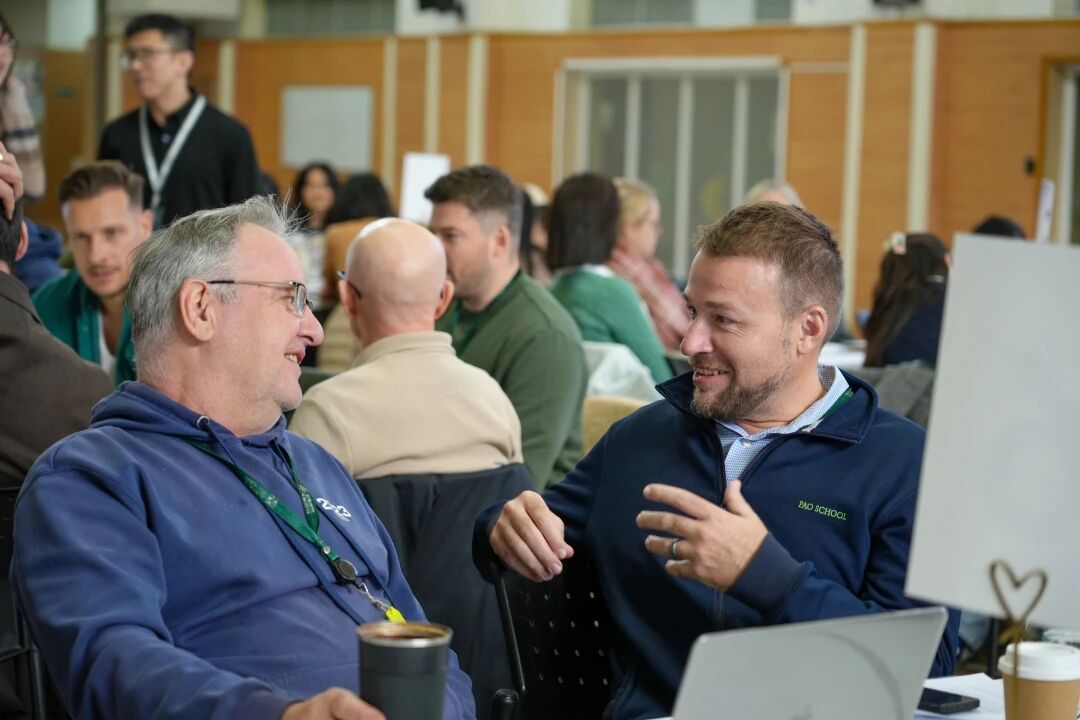
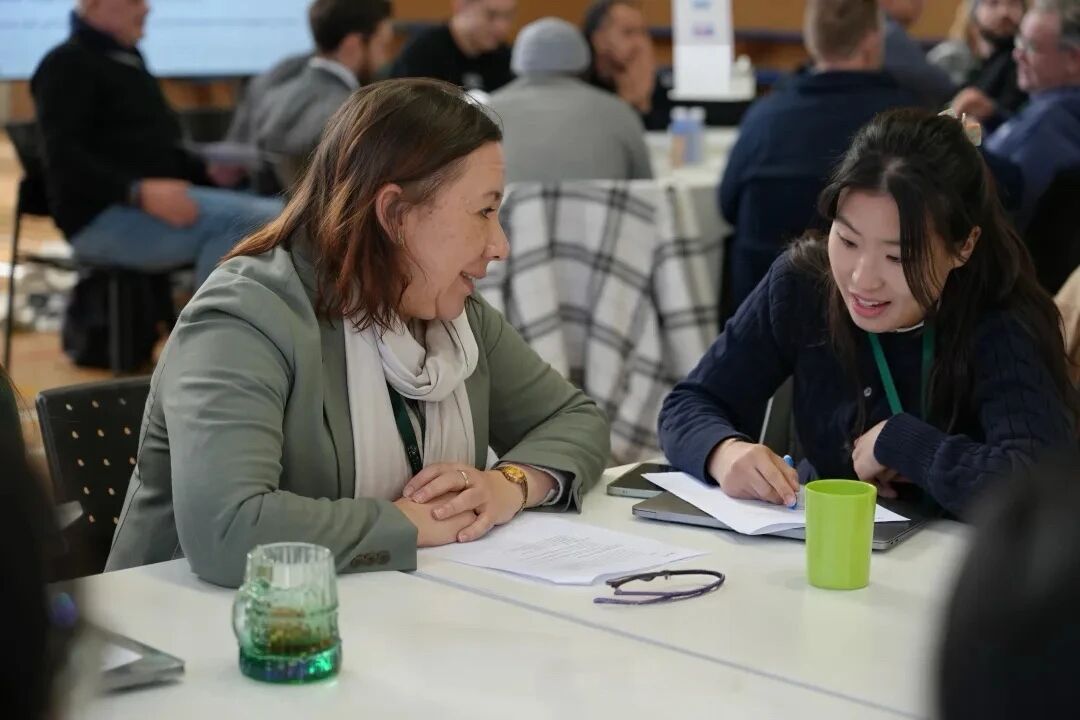
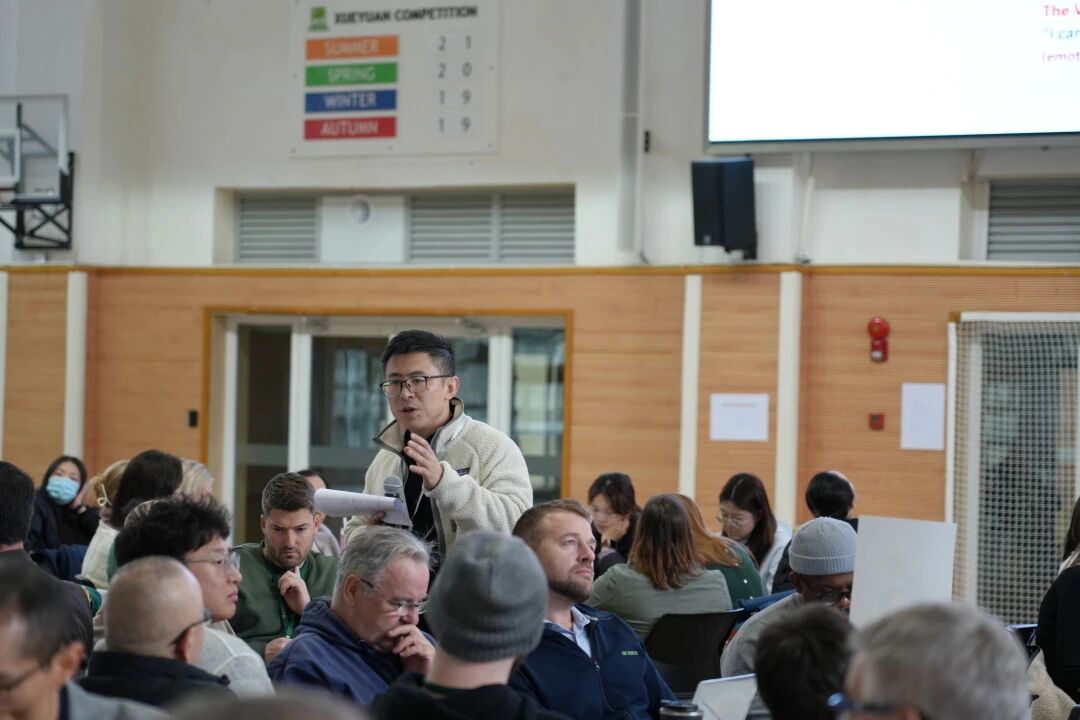
Equally important was the collaborative architecture of the day. Cross-department discussions created space for teachers to examine challenges and co-create possibilities. This opened pathways for coherent curriculum design that respects disciplinary depth while embracing interdisciplinary connections. Faculty reported leaving energised, probably with more questions than answers, but certainly with a sense of purpose.
* Thanks to High School Teaching and Learning Director Dr. Alex Aristizabal for his contributions to this article