
"Looking back on the Class of 2026's achievements, we see that every admission letter bears its own mark of a student's growth. As this series "Graduate Stories" shows, true education means deepening academic skills, widening worldview, and awakening self understanding. The student growth embodies the school’s core values of compassion, integrity and balance. Let these guide you as you build character, live with integrity and ambition, and keep body and mind in balance as you pursue your goals. In this new semester, keep writing your own brilliant chapter."
—— Xu Yongchu, President
Graduates from Pao School's Class of 2026 have received offers of admission from many prestigious universities around the world.
To date, Pao School students have received more than 100 university offers globally. In Early Decision, they were admitted to a range of highly selective US universities, including Stanford; Cornell; Brown; the University of Chicago; Northwestern; Rice; Vanderbilt; Washington University in St. Louis (WUSTL); Carnegie Mellon; the University of Michigan; Emory; Georgetown; the University of Southern California (USC); the University of Virginia (UVA); Tufts; and New York University (NYU). They also gained admission to leading liberal arts colleges such as Middlebury; Wesleyan; and Grinnell, and to top art schools including the Rhode Island School of Design (RISD) and the School of the Art Institute of Chicago (SAIC). Such a broad range of results is a striking vindication of Pao School's 'whole-person' educational philosophy.
From the UK, Pao School students received an initial round of conditional offers from many Russell Group institutions, including the Universities of Oxford and Cambridge; University College London (UCL); the University of Edinburgh; King's College London (KCL); and the universities of Warwick; Durham; Manchester; Bath and St Andrews.
There has been a rise in applications to universities in Hong Kong this year. In the Early Admissions round, students received a record 26 offers from the University of Hong Kong (HKU). Programmes offering admissions ranged from Arts and Science, to Business (BBA); Law; and Quantitative Finance.
Gordon Cao
Department of Physics, University of Chicago
Many people ask what seven years at Pao School have meant to me. My answer: They taught me how to be at ease with myself, and to live with purpose and positivity.
Learn to be with yourself
Upon entering high school, I suddenly had much more discretionary time. At first I felt unsettled, since no one was chasing me or urging me to do anything. But it was precisely that blank space that made me ask: How can I use my time more effectively? I did not want to squander it, nor did I want to burn myself out. So I started spending at least one hour each day reading, watching interviews with prominent figures, and exploring subjects beyond the classroom. That self-directed habit gradually allowed me to build my own intellectual framework.
I also learned to find balance. As a day student, I often played pool and card games with classmates in the day-student centre. With high school academics so demanding, those moments were a welcome respite that helped me face challenges with a healthier mindset. If academics shaped my rational side, then time with friends nurtured my emotional life.
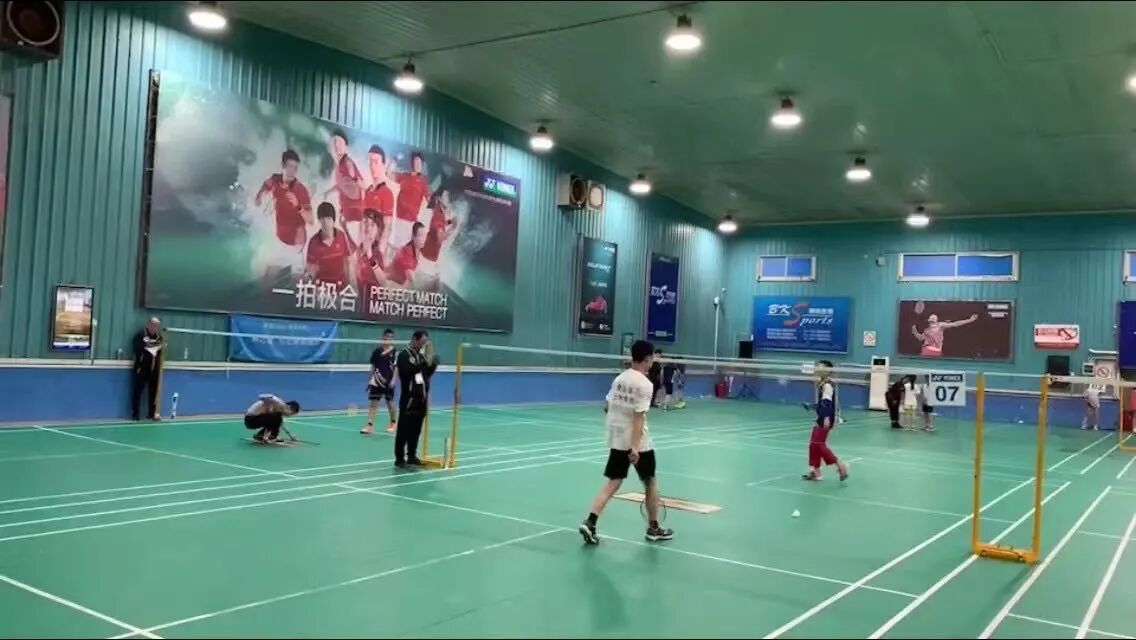
This mix of study and social engagement reflected Pao School's core values of compassion, integrity, and balance. The school encourages us to explore, try new things, and discover what we truly love. For example, I joined the badminton team in year 9. As captain, my most important job after a loss was not tactical analysis but encouraging teammates to recover while keeping everyone involved. Those experiences taught me not how to win, but how to take responsibility, how to empathise, and how to become a more complete person.
Find the resonance of that beam of light
My love of physics actually began with a strange feeling. Before middle school I had never formally studied physics, although I had enjoyed watching documentaries, on topics from particle accelerators to black holes. Their images and ideas struck a deep, hard-to-describe chord in me. At Pao School that resonance did not fade, it was reinforced by classes and laboratory work. In year 11, during a diffraction gating experiment, a laser projected vivid patterns onto paper, and I suddenly realised that physics is not only precise calculation but can also produce beauty and inspire awe like art. That feedback loop captivated me. Every time I explored something unknown, and found an answer, new questions appeared. Pao School teachers accelerated that loop, willingly staying after class to answer my questions and discuss topics beyond the curriculum.
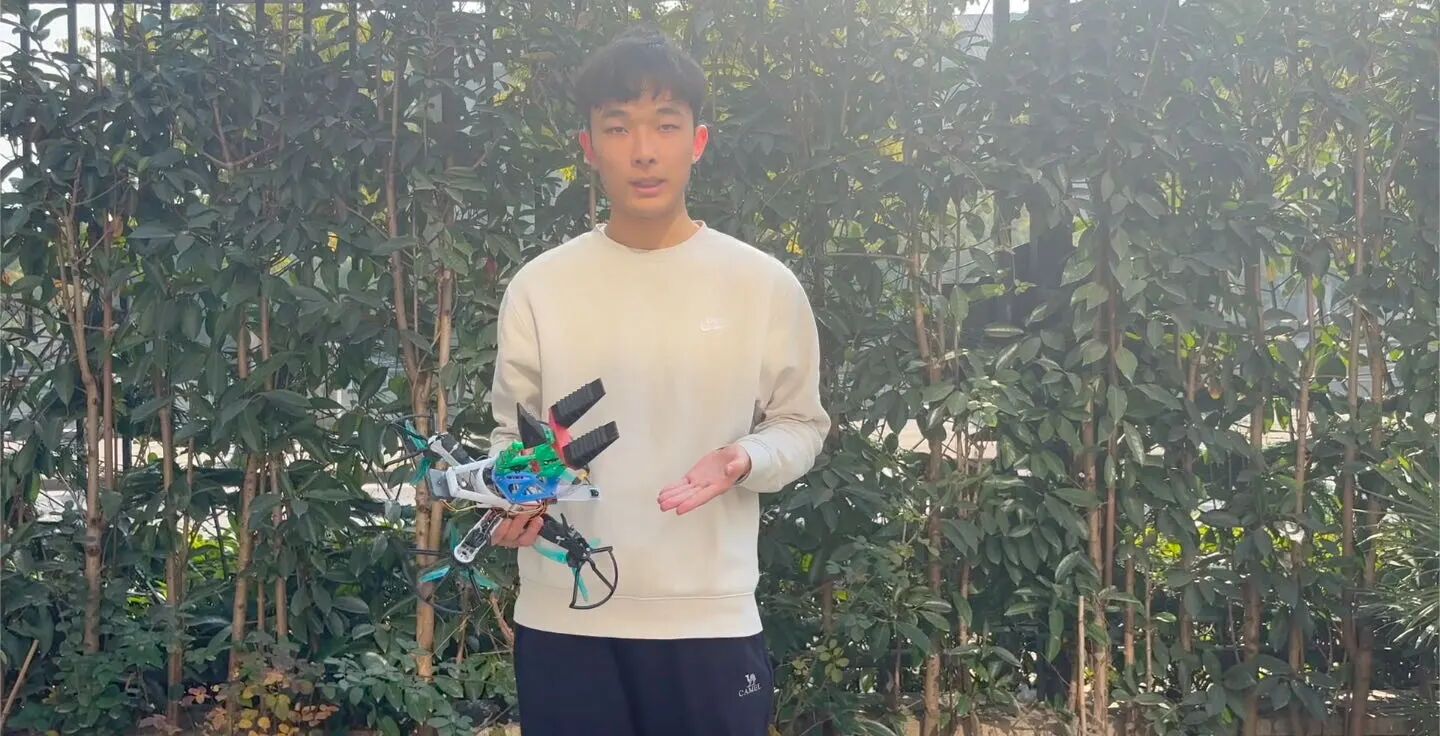
Seven years, gone in a flash
If I had to describe Pao School's influence in one word, it would be ‘initiative.’ Before I joined Pao School, I often acted to win the approval of others. In contrast to this, the Pao School environment encouraged me to do what I believed was right. Whether serving as captain of the badminton team or taking part in the STEM FUND project, my involvement was driven by my own initiative. I was no longer chasing external approval. I focused on doing my best.
Pao School's community is diverse and vibrant. Teachers come from around the world and do more than teach, they share their cultures and life stories. Once my biology teacher lost a bet with our class and, true to his word, wheeled a sock shaped cake into the room before the holiday, fulfilling his promise to ‘eat a sock.’ Moments like that make the relationship between teachers and students feel deeper than instruction alone. My classmates have shown me many different possibilities in life, and no matter how niche my interests, I have always found at least one or two like-minded friends.
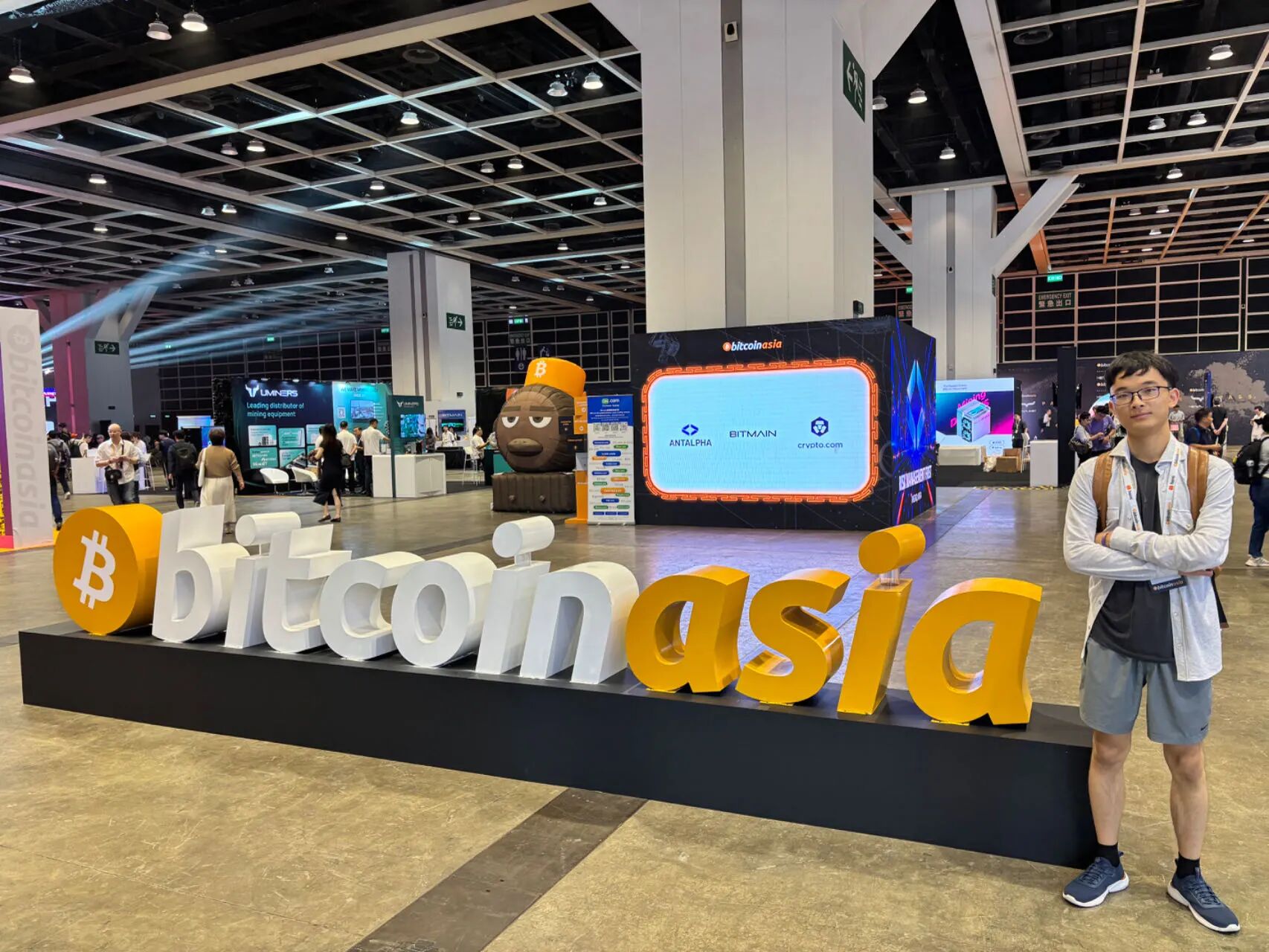
Seven years was long enough for me to learn to think independently, yet short enough for many moments to remain vivid. Those seemingly small moments are my most cherished memories of Pao School.
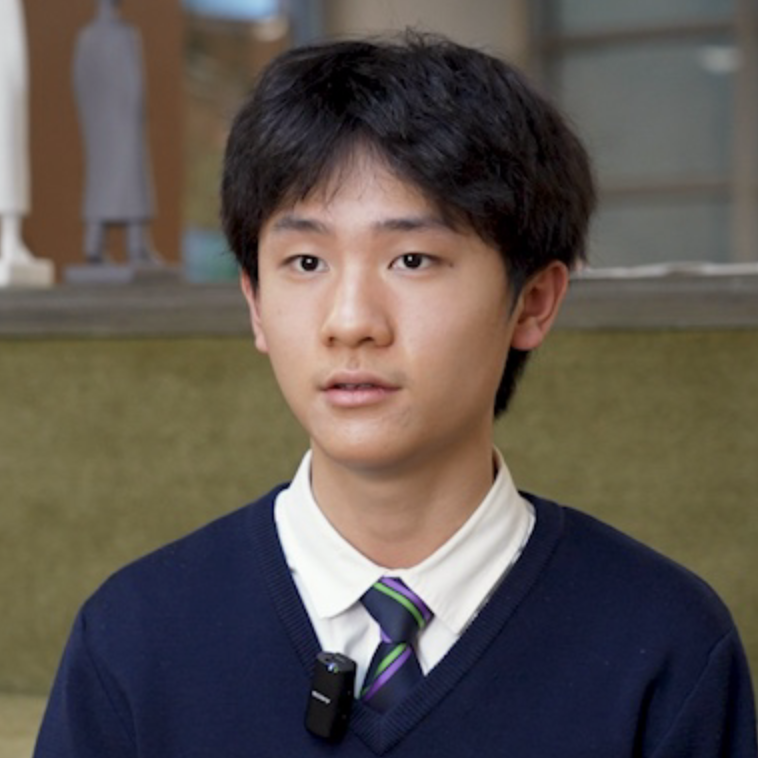
Aaron Zhang
Class of 2026
In my 12 years at Pao School, I have learned school is a place not just for academic growth, but for understanding the world and finding myself.
The School of Hard-Knocks
The debt I owe my teachers—for seeing potential in me and guiding my path—is one I can never fully repay. Let me explain. While in Year 9, I became curious about the cultural elements in hotels operating in Arab region; the reasons behind Starbucks' success; and the ways to evaluate the impact of financial inclusion policies. I didn't really know where to start, but still, while following these interests, managed to complete my IB Higher Level (HL) courses and earn several finance-related certificates.
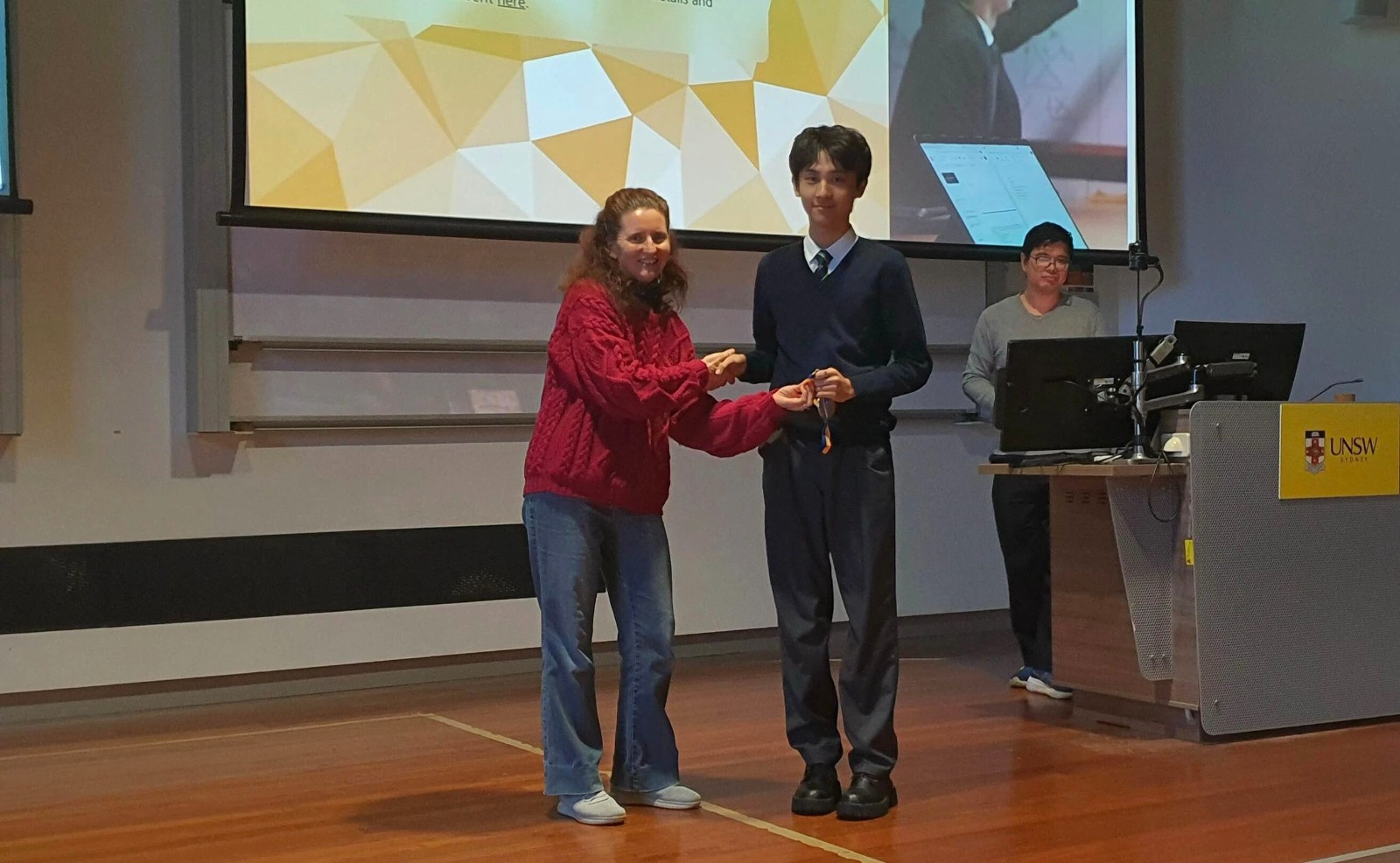
Team China Wins Its First-Ever Medal at the Asia Pacific Economics Olympiad
"Keep studying to broaden your perspective" I was told, by two different teachers during my first week of IB. Those words truly changed my high school life. They helped me open doors to literature, politics, history, and advanced mathematics, and to work my way through the Cambridge Economics Department reading list, book by book. I am deeply grateful to the business department teachers who trusted me to use two hours of afterschool time to lead my classmates in writing capital market investment reports, and to Ms. Mitchell and Mr. Warren for their support when I take part in competitions. Without these teachers, I would not be where I am today.
The Growth Journey of an Idealistic Child
Pao School was like a vast greenhouse to me, providing the nourishment needed by me in order to take bold risks. Ms. Zhao, both mentor and friend, invited many industry guests and alumni to speak through the 'Career Futures' programme, and also organised numerous outings and site visits to hospitals, advertising agencies, and power companies. These gradually transformed me into her highly capable assistant, while enabling me, along with my classmates, to gradually develop a deeper understanding of the society and world we live in.
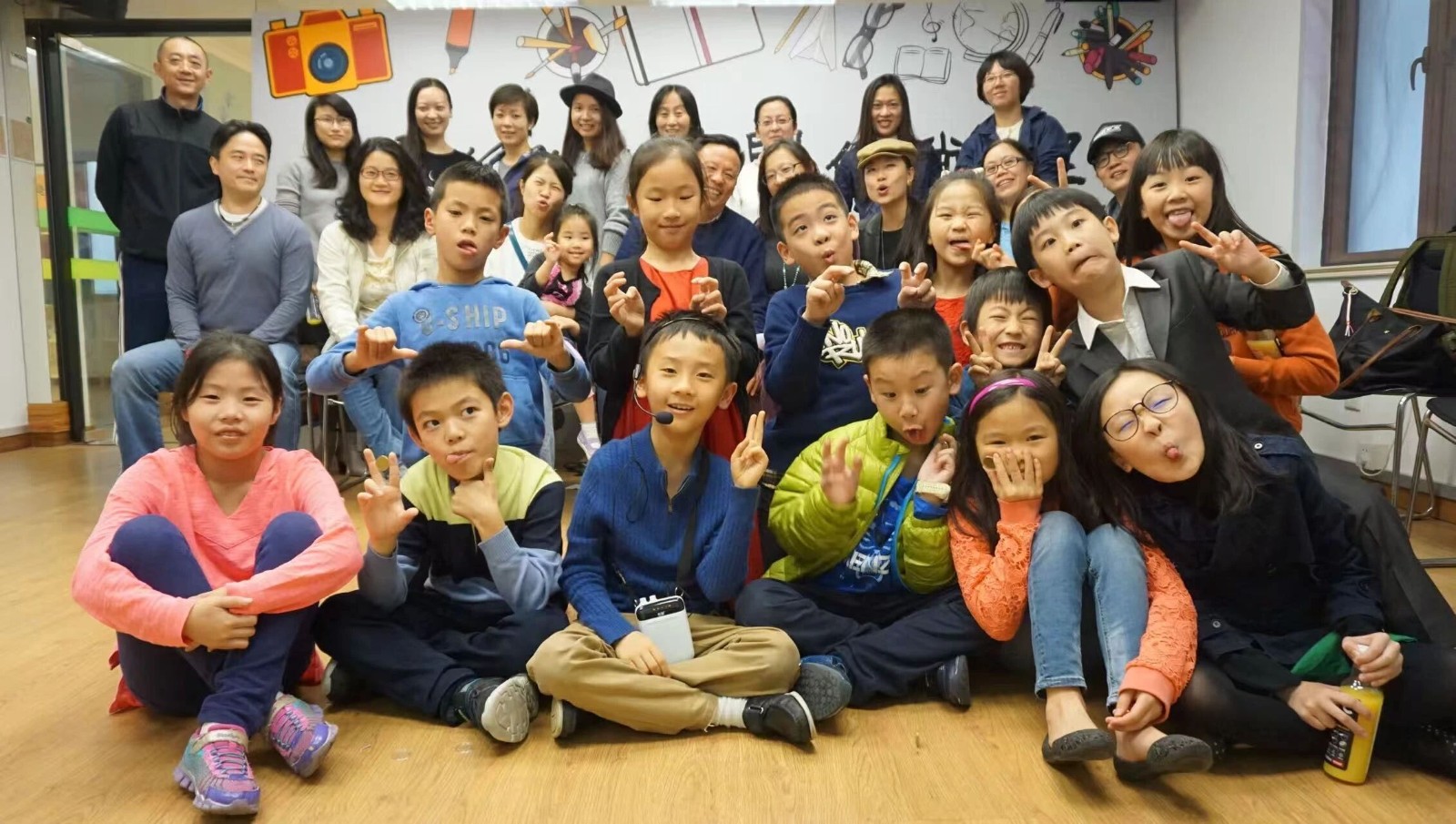
Invite former primary school classmates to come see my numismatic exhibition (Aaron Zhang, third from left in the front row)
Pao School let my interests shine. From classmates' enthusiastic support for my coin-collecting exhibit in primary school, to founding a club in high school and making sweets for holiday charity sales, I always felt the warmth of this small community. Our success as a group of fifteen-year-olds depended on teachers who let us use their refrigerators and reserve the baking kitchen, and on support staff who helped set up power supplies and other logistics.
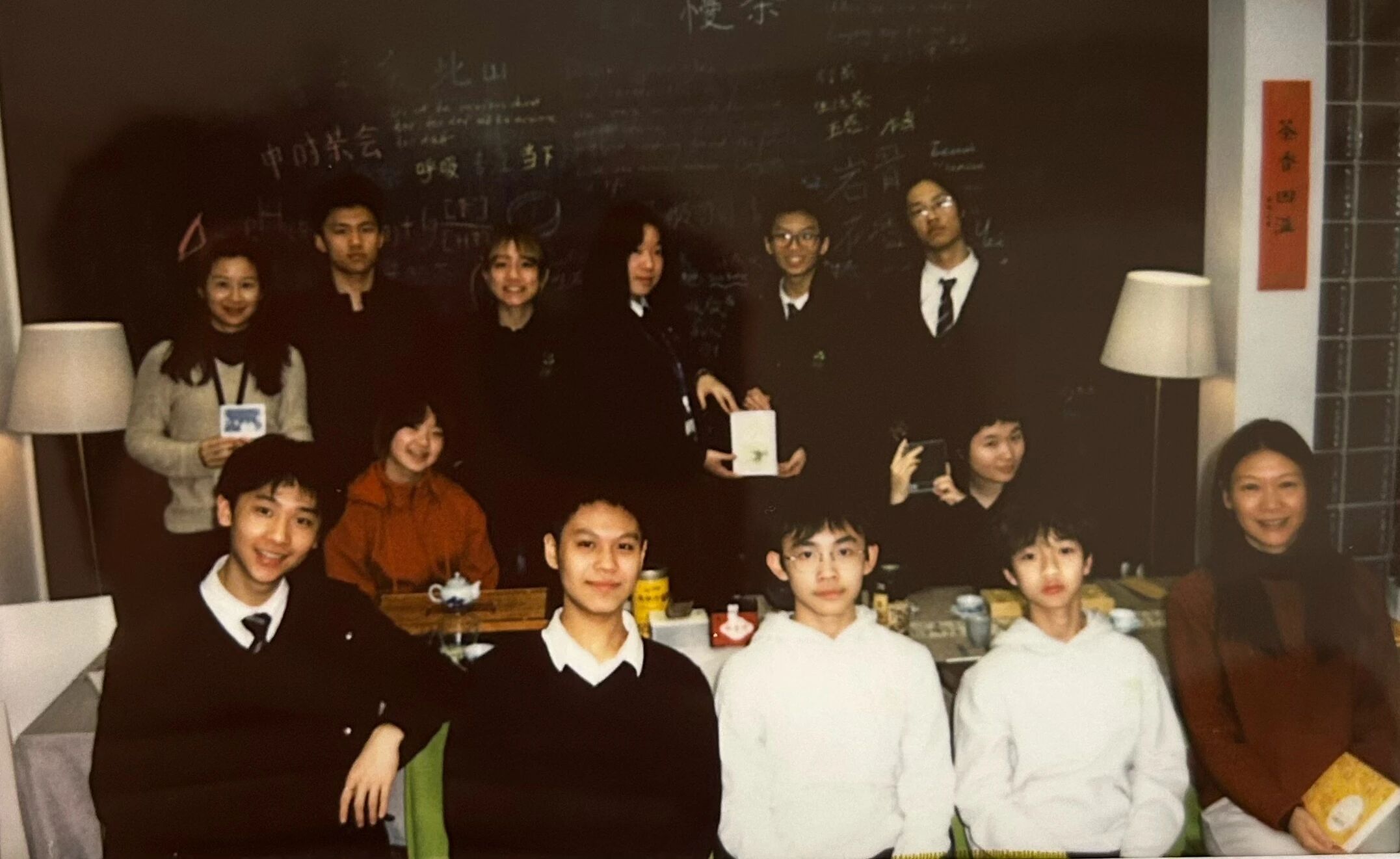
Who exactly am I?
Who is this child who, in the middle of the night, is often anxious, crying, lost, overly sensitive, and awkward? What is my purpose in life? The counselors who brought me hot cocoa, gummies, and snacks helped me accept my confusion and shortcomings. The two tea ceremony teachers taught me, through the ritual of tea, to enjoy the present and to become more aware of the world. My business management teacher walked and talked with me after class during my darkest days, saying I should learn to appreciate not only the rainbow after a sunny day but also the downpour. My closest friends, sunning themselves with me on the sports field, reminded me that perhaps the meaning of life is simple: being happy is enough.
I later realised that the person I am now has been shaped by all of these moments. I am someone who is constantly changing; at eighteen I remain somewhat naive, uncertain, and conflicted. For me now, life's meaning may lie not in results but in experience: first to engage with this imperfect world, and then to live through the gradual process of changing it.